







Picture this: your student walks in after a long day at the office — shoulders tight, mind still buzzing with work emails. You begin class with a seated forward fold. She tries to reach her feet, her hamstrings push back hard, and within five minutes, she already feels like she’s failing at yoga.
She leaves class technically fine — but something felt off. And honestly, you felt it too.
That feeling? It’s almost always a yoga sequencing problem.
How you build a yoga sequence is the difference between students walking out feeling open and restored or stiff and quietly frustrated. A well-designed yoga sequence guides the body through a logical energy flow: warm up, build, peak, and release. When that flow breaks down, the whole class suffers even if every individual pose is technically correct.
This yoga sequencing common mistakes guide covers the five errors that show up most often in classes from brand-new teachers and experienced ones alike, along with exactly what to do differently. Think of it as your field manual for building yoga sequences that actually work.
Good yoga sequencing isn’t about picking your favourite poses and arranging them nicely. It’s about understanding how the body opens and meeting it where it is, not where you want it to be.
Where Most Teachers Go Wrong With Yoga Sequencing?
1. Opening with Static Poses — Before the Body is Ready
One of the most widespread yoga sequencing common errors is opening the class with long static holds. It’s understandable that teachers often love a particular pose and want to anchor the class in it early. But the body simply isn’t ready for stillness at the start.
Most students arrive tired from sitting in cars or at desks for hours. They need circulation first. When you hold a cold muscle in a static stretch, you don’t get release; you get a protective grip response. The muscle tightens to protect itself. The student strains, the pose doesn’t land, and the class loses momentum before it’s even begun.
Beyond the physical issue, there’s an energy issue too. People come to yoga because they want to move. Starting with stillness when the nervous system is still switched on from the day feels uncomfortable and disconnected.
What To Do Instead: Open your yoga sequence with gentle, flowing movement — Cat-Cow, slow Sun Salutations, simple joint circles. Give the body 10 to 15 minutes to build heat organically. Once the breath has deepened and the muscles are warm, static holds become genuinely useful. Save stillness for where it belongs: the second half of class.
Quick Fix: Ask yourself before class — “Has this student been moving for the last 20 minutes?” If not, no static holds longer than 3 breaths until they have.
2. Introducing Complex Poses Too Early in the Sequence
There’s a particular look students get when a pose arrives before they’re ready for it, eyes moving to the teacher, jaw tightening, breath held. They stop practising yoga and start performing yoga. They’re watching you, copying shapes with no internal awareness of what they’re doing in their own body.
This is one of the yoga sequencing mistakes that directly damages a student’s relationship with the practice. A student who spends the first fifteen minutes feeling confused or physically overwhelmed doesn’t find the deeper layer of the class — they spend the whole hour playing catch-up.
This is especially important to understand for beginner yoga sequences. But even in intermediate and advanced classes, front-loading complexity disrupts the natural build that good sequencing creates.
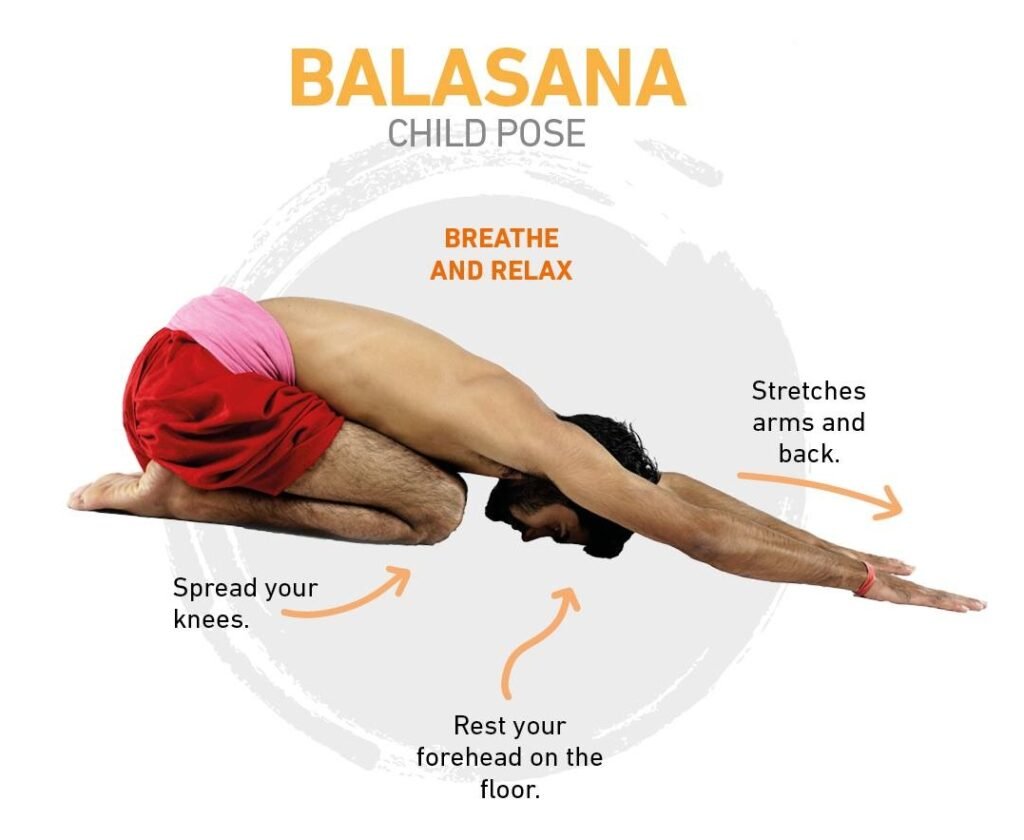
What To Do Instead: Start genuinely simple. Even experienced practitioners benefit from re-entering their bodies through foundational poses — Mountain Pose, Child’s Pose, and basic lunges. Use the early minutes to establish breath and body connection. Complexity belongs in the middle of the class, not the opening. A student who feels capable at minute ten will take real risks at minute forty.
Remember: Confidence early in class creates the safety students need to go deeper later. Build the foundation before you build the peak.
3. Changing the Sequence Without Understanding Why It Was Built That Way
New teachers often feel the pull to personalise their classes quickly to teach something slightly different, to skip what feels too traditional, to add what they love. That impulse is completely natural. But when changes are made without a clear reason, students quietly absorb the consequences.
A well-structured curriculum, like a 200 hour Yoga Teacher Training in Rishikesh, is built deliberately. Each element exists for a reason: anatomical safety, energetic progression, psychological pacing. When you remove or rearrange components without understanding why they’re there, you create gaps in the yoga sequence that you may not even notice until students start struggling.
This is one of the subtler yoga sequencing common mistakes because it doesn’t always show up as an obvious problem. The class still runs. But there’s a flatness to it, a missing logic that students feel, even if they can’t name it.
What To Do Instead: Before changing anything in your sequencing, ask yourself three honest questions: What is this element doing for the student? What happens if I remove it? Am I doing this for them or for me? Make one change at a time. Watch how students respond. Your personal teaching voice will develop naturally; it doesn’t need to be forced into the structure too early.
The Rule of Thumb: Understand it fully before you change it. Great teaching styles are built through practice, not force.
4. Placing Seated Forward Folds Before the Hamstrings Are Open
This is one of the most specific and most common yoga sequencing mistakes you’ll find in detailed breakdowns of class structure. Paschimottanasana and similar seated forward folds appear surprisingly early in many classes, and it consistently works against students.
Here’s the Anatomy: To fold forward comfortably from a seated position, the hamstrings, lower back, and hip flexors all need to be already lengthened. Attempting the pose on a cold body doesn’t deepen the stretch; it activates a protective tightening response. Students round aggressively through the lower back, the lumbar spine takes the strain, and they walk away thinking their hamstrings are simply too tight. In most cases, the sequencing was the problem, not their body.
This detail matters enormously in any honest yoga sequencing common mistakes details conversation, because it’s one of those errors that looks fine on paper but causes real physical problems over time.
What To Do Instead: In your yoga sequences, place seated forward folds in the second half of class after standing poses, hip openers, and hamstring-specific work. By that point, the body will surrender into the fold naturally, and students will feel a genuine difference.
Sequence Suggestion Before Paschimottanasana: Standing forward folds, then Warrior I & II, then Low lunge, then Pyramid pose, and finally seated forward fold.
5. Rushing the Build-Up to Savasana
You’ve probably seen it or lived it. Class runs a few minutes over. A student needed extra help with an adjustment. Now you’re moving through the closing poses quickly, and suddenly everyone is lying in Savasana, but nobody is actually relaxed. They’re thinking about their car keys, their dinner, and the slightly chaotic last ten minutes of class.
Savasana is not a reward for finishing class. It’s the moment the nervous system integrates everything the body has just worked through. Without a proper, unhurried wind-down sequence, that integration doesn’t happen. Students leave physically tired rather than genuinely restored, which is the opposite of what good yoga sequencing is designed to create.
Across almost every yoga sequencing common mistakes resource and teacher training discussion, rushing the closing sequence appears consistently, because it’s so easy to do when time slips away, and the cost is so high.
What To Do Instead: Treat the last 10 to 12 minutes of class as non-negotiable. If you’re running over time, cut from the middle of your yoga sequence, reduce repetitions, simplify a transition, or drop a variation. Never cut the closing. Bring students down through supine twists, gentle hip openers, knees-to-chest, and ease them into Savasana only when the breath is already slow and the body is already releasing.
Practical Tip: Set a quiet alarm 12 minutes before class ends. When it rings, no new poses. Begin the wind-down, whatever else is unfinished.

Quick Reference Yoga Sequencing Common Mistakes Guide
- Your Pre-Class Sequencing Checklist
- Does my yoga sequence start with gentle movement, not static holds?
- Are my early poses accessible and confidence-building?
- Do I have a clear reason for every change I’ve made to the yoga sequence?
- Are seated forward folds placed after a proper hamstring warm-up?
- Have I protected 10–12 minutes for a proper closing and Savasana?
- Is the overall energy arc of my yoga sequence build, peak, and release clear?
Final Thoughts
Getting yoga sequencing right is one of those skills that looks deceptively simple until you’re actually standing at the front of a room. You’ll plan carefully and still find that one transition doesn’t land, one pose arrives too early, or the class runs over by eight minutes, and Savasana gets squeezed. That’s not failure, that’s just teaching.
The teachers who build truly memorable yoga sequences aren’t the ones who never make these errors. They’re the ones who notice when something feels off, understand why, and make adjustments class by class. That awareness is what separates a teacher who delivers a workout from a teacher who genuinely transforms how someone feels in their body.
Work through this yoga sequencing common mistakes list one point at a time. You don’t have to fix everything at once. Fix one thing. Teach it ten times. Then fix the next. Before long, the logic of a well-built yoga sequence will start to feel as natural as the poses themselves.