





15 Reasons Why You Should Practise Paschimottanasana
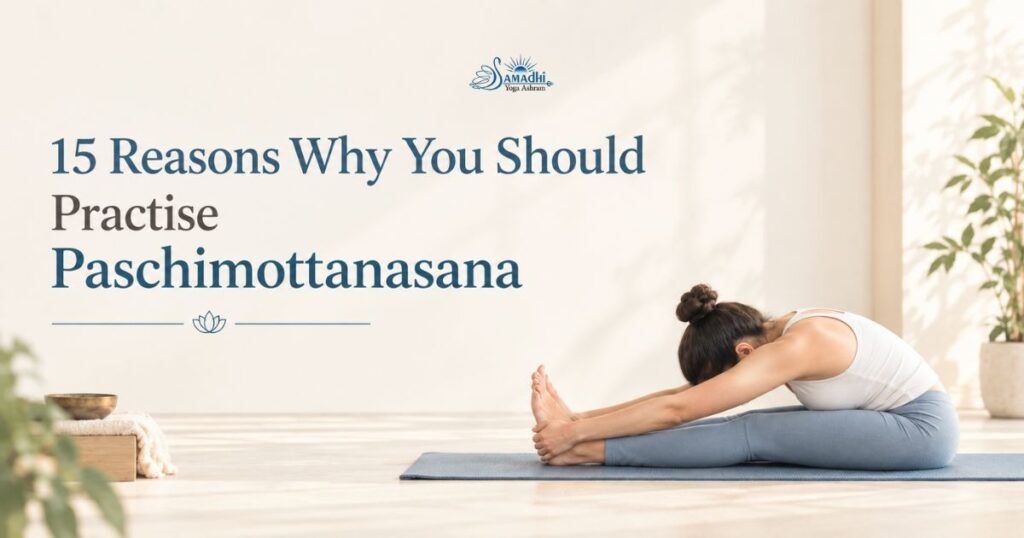
Table of Contents
- What Is Paschimottanasana?
- How to Do Pachimottanasana?
- 15 Reasons Why You Should Practice Paschimottanasana
- 1. Deeply Stretches Tight Hamstrings and Calves
- 2. Relieves Lower Back Tightness
- 3. Improves Spinal Flexibility
- 4. Supports Better Posture
- 5. Gently Massages the Digestive Organs
- 6. Helps Reduce Bloating and Poor Digestion
- 7. Calms the Nervous System
- 8. Encourages Deeper, Slower Breathing
- 9. May Improve Sleep Quality
- 10. Releases Tension Stored in the Hips and Shoulders
- 11. Helps Quiet Mental Noise
- 12. Encourages Emotional Release and Letting Go
- 13. Reduces Stress and Anxiety Naturally
- 14. Improves Focus and Mental Clarity
- 15. Builds Self-Awareness
- Variations of Paschimottanasana — Find the Version That Feels Right for You
- Common Mistakes to Avoid During Paschimottanasana
- Best Time to Practise Paschimottanasana
- Final Thought
- Frequently Asked Questions About Paschimottanasana
- Is Paschimottanasana good for beginners?
- Can Paschimottanasana help reduce stress?
- Is it normal to feel tight hamstrings in Paschimottanasana?
- Can I bend my knees during Paschimottanasana?
- Does Paschimottanasana help with digestion?
There are days when the body quietly calls for stillness, when the breath wants to slow and the soul simply longs for something gentle, something real.
That is exactly what Paschimottanasana offers. Practised for thousands of years in classical Hatha yoga, this seated forward fold has remained popular for a very good reason. Whether you are a complete beginner or someone who has been practising for years, this pose has something powerful to offer you every single time you step on the mat. This guide will walk you through every reason why you should make this forward fold a part of your practice
What Is Paschimottanasana?
Paschimottanasana, commonly known as the Seated Forward Fold, is one of the foundational poses in classical Hatha yoga. The name comes from Sanskrit, “Paschima”, meaning “west” or the back of the body; “Uttana”, meaning “intense stretch”; and “Asana”, meaning “pose”. Together, they describe exactly what this posture does: a deep, mindful stretch along the entire backside of your body, from your heels all the way up to the base of your skull.
How to Do Pachimottanasana?
Before you begin, find a calm spot, unroll your mat, and give yourself permission to slow down.
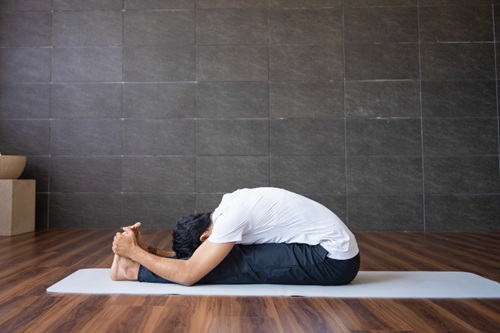
- Sit on the floor, legs stretched straight out in front of you.
- Back straight, feet together.
- Breathe in, and raise both arms above your head.
- Now breathe out and slowly bend forward from the hips.
- Try to hold your feet, ankles, or toes with your hands.
- Bring your head down, closer to your knees.
- Keep the knees straight but don’t force them.
- Hold the position for a few seconds and breathe normally.
- Breathe in, then slowly sit back up straight.
- Arms and legs can relax now.
- This can be repeated 3 to 5 times if it feels okay.
15 Reasons Why You Should Practice Paschimottanasana
1. Deeply Stretches Tight Hamstrings and Calves
If you sit for most of the day at a desk, in a car or on a couch, your hamstrings (the back of your thighs) and calves (the back of your lower legs) are probably tighter than you realise. Paschimottasana stretches the entire back of your legs slowly and steadily, helping to reduce stiffness over time. You can also explore the health benefits of the downward-facing dog pose for flexibility.
2. Relieves Lower Back Tightness
Almost everyone deals with lower back pain at some point, mostly from long hours of sitting or standing. This seated forward fold gently lengthens the muscles along your spine and releases the pressure that quietly builds up there. When you breathe slowly and let your body relax into the pose, you feel genuine relief in your lower back, you may notice less tightness and more comfort in your lower back.
3. Improves Spinal Flexibility
Your spine is made to move, but most daily routines barely give it a chance. Paschimottanasana pose gently bends and lengthens your entire spine from bottom to top, giving it exactly the movement it craves. Over time, this can improve flexibility and help your body feel freer and more comfortable during daily activities.
4. Supports Better Posture
Forward Fold Bend helps reverse poor posture by loosening the tight muscles along the back of your body and increasing your awareness of how you hold yourself. Many people find that after regular practice, they naturally begin to sit and stand taller with much less strain on their neck and shoulders.
5. Gently Massages the Digestive Organs
When you bend your upper body forward over your thighs, your abdominal organs receive a soft, gentle compression with every breath you take. This pose works like a natural internal massage, improving blood flow and helping your gut run smoothly.
6. Helps Reduce Bloating and PoorDigestion
Paschimottasana helps ease that uncomfortable, bloated feeling and brings a sense of lightness back to your belly. Certain pranayama practices can also support digestive health and energy flow. Breathing slowly and deeply while holding this pose makes the whole effect even stronger.
7. Calms the Nervous System
This is one of the most effective benefits of the Paschimottanasana pose because bending your body forward sends a clear signal to your nervous system that it is safe to relax. Within just a few breaths, most people feel their shoulders drop, their jaws loosen, and their minds start to settle.
8. Encourages Deeper, Slower Breathing
When you are stressed, your breathing becomes short, fast, and shallow, often without you even noticing. Paschimottasana pose naturally fixes this. The stillness of the pose draws your attention to your breath and encourages each inhale and exhale to grow longer and fuller. That one change in your breathing can change how your entire body feels in just a few minutes.
9. May Improve Sleep Quality
A racing mind and a tense body are two of the biggest reasons people struggle to sleep. Because this pose activates your body’s natural relaxation response, it works especially well when practised in the evening. Even just a few minutes of this gentle forward fold before bed can quiet your thoughts and prepare your body for deep sleep.
10. Releases Tension Stored in the Hips and Shoulders
Stress does not only live in your mind; it settles into your body, especially in the hips, shoulders, and upper back. Seated Forward bend quietly and steadily softens all of these areas. If you have ever held this pose for a couple of minutes and felt a sudden sense of relief, it may be your body releasing tension it has been holding for a while.
11. Helps Quiet Mental Noise
When you bend forward, you may feel less distracted by what is happening around you. You start to focus more on your breathing and how your body feels, and your thoughts may start to slow down. Paschimottanasana gives you a quiet moment to breathe slowly, relax, and clear your mind.
12. Encourages Emotional Release and Letting Go
This pose is known for bringing hidden emotions gently to the surface. Staying in the posture with softness rather than force creates a feeling of surrender that many practitioners find deeply therapeutic. Over time forward fold Bend teaches you how to release tension and emotional heaviness you may not even realise you are carrying.
13. Reduces Stress and Anxiety Naturally
After a long and mentally exhausting day, even just a few minutes in Paschimottasana pose can make a real difference. The deep breathing and forward folding work together to send a direct signal to your nervous system that it is time to slow down.
14. Improves Focus and Mental Clarity
In a world full of distractions, this pose quietly asks for your full attention. With every breath, your mind is gently pulled back to the present moment, away from the noise and endless worries. Over time, this mindful breathing naturally sharpens your concentration and trains your mind to stay calm and focused. Most people who practise it regularly feel mentally clearer and more centred in their everyday life.
15. Builds Self-Awareness
Paschimottanasana is one of those poses you simply cannot rush or force. It teaches you to slow down, truly listen to your body and work with it rather than against it and the most beautiful part is that this patience does not stay limited to your mat.
Variations of Paschimottanasana — Find the Version That Feels Right for You
Wherever you are in your practice, whether you are just beginning or have been on the mat for years, there is a version of this pose made perfectly for you.
1. Wide-Legged Forward Fold (Upavistha Konasana): Separate your legs into a wide V shape before bending forward. This moves the stretch to your inner thighs and groin (where your legs meet your body), helping these areas relax while still giving you a calm feeling.
2.One-Legged Forward Fold (Janu Sirsasana): Bend one knee, placing the sole of that foot against your inner thigh, and bend over the straight leg. A wonderful option if one side of your body needs more attention than the other.
3. Yoga Strap Variation: Sit with your legs straight and stretched out in front of you. Loop a yoga strap around the soles of both feet and hold one end of the strap in each hand. Keep your back straight and gently bend forward, using the strap to support your movement. Go only as far forward as feels comfortable and do not pull yourself into the stretch.
Common Mistakes to Avoid During Paschimottanasana
| Mistake | Why It Happens | Solutions |
| Rounding the Lower Back Instead of Bending From the Hips | Bending from the waist instead of the hips puts pressure on the lower back and barely stretches the hamstrings at all. | Sit on a folded blanket, keep a slight bend in the knees, and focus on lengthening the spine before you fold forward. Length always comes before depth. |
| Pulling Too Hard on the Feet | Forcing yourself deeper by pushing on the feet causes the muscles to tighten, which is the exact opposite of what you want. | Hold the feet, ankles, or the front of your lower legs with a relaxed grip. Let each exhale gently carry you deeper. A yoga strap works well here too. |
| Holding the Breath | When the stretch feels intense, most people unconsciously stop breathing. This keeps the body tense and guarded. | Keep breathing slowly throughout. Long, steady exhales are what signal your body to soften and release. |
| Locking the Knees | Rigid, locked knees strain the joints and make the hamstrings grip tighter. | Keep a soft, slight bend in your knees. Just enough to protect the joint and let the muscles relax. |
Note: Mastering the precise alignment and breathwork behind poses like Paschimottasana is exactly what dedicated yoga practitioners explore in a transformative yoga teacher training in India, where ancient wisdom meets modern understanding of the body.
Best Time to Practise Paschimottanasana
Paschimottanasana is a flexible pose you can practise at different times of the day, depending on what your body needs that day.
- In the morning, it gently wakes up your stiff muscles and helps you feel calm and grounded before the day begins.
- In the evening, it can help release the tension your body has been holding from long hours of sitting, stress and a busy mind.
- After meals, wait at least 1–2 hours before practising. This gives your body enough time to digest and the pose can then gently support that process.
During a full yoga session, save this pose for near the end when your body is already warm and naturally more open to a deeper, comfortable stretch. Simply put, there is no single “perfect” time. The best time is whenever your body feels ready and your mind needs that quiet stretch!
Final Thought
There is something quietly extraordinary about a pose that has been trusted for thousands of years, and Paschimottanasana has earned every bit of that trust. It does not ask for perfection. It asks for five minutes, a little stillness and the willingness to fold forward and breathe. That is it.
Whenever you have a few quiet minutes, sit on your mat, take a slow breath, and practice Paschimottanasana.
Frequently Asked Questions About Paschimottanasana
Is Paschimottanasana good for beginners?
Absolutely! Just take it slow, don’t force the stretch, and bend your knees a little, you’ll be just fine.
Can Paschimottanasana help reduce stress?
Yes! Folding forward naturally calms your mind and melts away the tension of a long day.
Is it normal to feel tight hamstrings in Paschimottanasana?
Very normal! Especially if you sit a lot. Be patient; they’ll loosen up over time.
Can I bend my knees during Paschimottanasana?
Yes, please do! It protects your lower back and makes the pose much safer and more comfortable.
Does Paschimottanasana help with digestion?
It can! The gentle belly compression boosts blood flow to your digestive organs, like a little internal massage.
This article is for general information and is not medical advice. If you have a respiratory or heart condition, are pregnant, or are unsure whether these practices suit you, please speak to your doctor before beginning. Yoga poses and breathing exercises should be practiced with proper guidance from a qualified yoga teacher to help ensure safe and correct practice.