





Kapalbhati Pranayama – Benefits, Steps & Precautions
Table of Contents
- What Is Kapalbhati Pranayama?
- How Does Kapalbhati Pranayama Work?
- Benefits of Kapalbhati Pranayama
- How to Do Kapalbhati Pranayama
- Common Mistakes to Avoid
- Precautions for Kapalbhati Pranayama
- How Long Should You Practise Kapalbhati?
- Conclusion
- Frequently Asked Questions
- What is Kapalbhati Pranayama?
- What does Kapalbhati mean?
- Is Kapalbhati the same as Skull Shining Breath?
- What are the main Kapalbhati pranayama benefits?
- Can beginners practise Kapalbhati?
- Can I practise Kapalbhati every day?
- What is the best time to practise Kapalbhati?
- Who should avoid Kapalbhati?
Kapalbhati Pranayama is one of the first breathing practices most people come across in yoga. It looks simple from the outside, but the technique matters a lot here. This guide walks you through what Kapalbhati actually is, how the breath works, what it can realistically do for you, and how to practice it the right way.
What Is Kapalbhati Pranayama?
Kapalbhati is a breathing technique where you exhale with force and let the inhale happen on its own. The name comes from two Sanskrit words. ‘Kapal‘ means ‘skull‘, and ‘bhati‘ means ‘shining‘ or ‘lighting up‘. So the name translates roughly to “shining skull“, and which is why people often just call it the Skull Shining Breath in English.
In yoga tradition, this name points to a feeling of clarity that practitioners describe after doing the practice. That’s a traditional idea passed down through yoga texts, not something backed by medical research, so it’s worth treating it that way.
Kapalbhati Yoga falls under Shatkarma, a set of yogic cleansing techniques taught in the old texts. Traditionally, it’s described as a way to clear the nasal passage and bring energy into the body. In a more modern sense, people practice it as a breathing exercise that also engages the core.
At its core, the pattern is this: exhale hard, inhale soft.
How Does Kapalbhati Pranayama Work?
Kapalbhati works differently from the way we normally breathe, and that difference is the whole point.
- The exhale does the main work. You pull your belly in quickly, which pushes the air out through your nose in a short and strong breath.
- The inhale happens naturally. After you relax your belly, it moves back to its normal position, and air comes in on its own. You do not need to pull the air in.
- The belly does most of the movement. Your belly moves in and out with each breath, while your chest, shoulders, and face stay relaxed and still.
- The breathing should stay comfortable. Keep a steady pace instead of breathing too fast or too hard. If you feel dizzy or have trouble breathing, slow down or stop and breathe normally.
This is what makes Kapalbhati stand apart from most other pranayama, where both the inhale and exhale tend to be slow and even.
Benefits of Kapalbhati Pranayama
There are a few genuine reasons people keep this practice in their routine.
- Strengthens the abdominal muscles through repeated active exhalations.
- Improves breath control by helping you become more aware of how you breathe.
- May improve concentration because the practice requires attention to the breath.
- May help you feel more awake and refreshed after practice.
- May help calm the mind when practised correctly and comfortably.
- May support better breathing habits by making you more aware of your breathing pattern.
These Kapalbhati pranayama benefits are best thought of as support for general wellbeing, not as a fix for any illness. Kapalbhati isn’t a treatment, and it shouldn’t take the place of proper medical care.
How to Do Kapalbhati Pranayama
Here’s how to practice it, written for someone doing this for the first time.
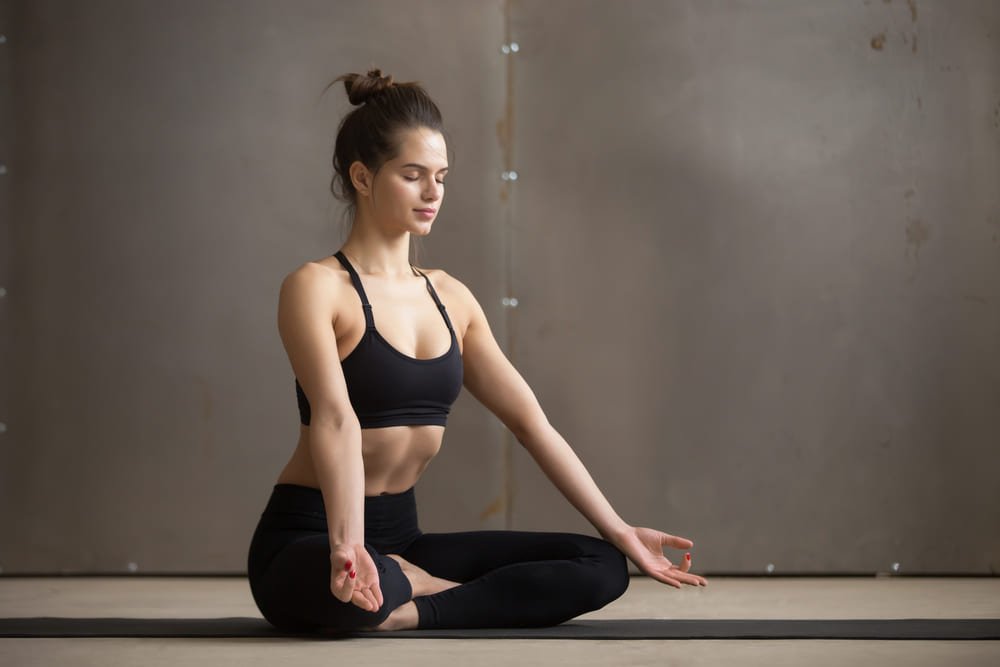
- Sit comfortably; you can sit in Sukhasana or Padmasana and keep your back straight, relax your shoulders and place your hands on your knees.
- Take a few normal breaths and relax your body and get ready for the practice.
- Take a comfortable breath in through your nose, and do not force the breath.
- Breathe out quickly through your nose and pull your stomach in; keep the exhalation short and active.
- Relax your stomach after breathing out and let the next breath come in naturally. Do not force the inhalation.
- Repeat the same pattern and breathe out quickly while pulling your stomach in, then relax your stomach and let the breath come in naturally.
- Start with 15–20 rounds and when you finish, breathe normally for a while then you can slowly increase the number of rounds as you become more comfortable.
- Finish slowly and sit quietly and take a few normal breaths then notice how you feel before getting up.
Common Mistakes to Avoid
A handful of mistakes show up again and again with beginners.
- Do not breathe out too forcefully and keep each exhale quick and firm.
- Keep your head, shoulders, and chest still. Only your belly should move.
- Do not hold your breath between breaths and keep the breathing steady.
- Do not start too fast. Begin slowly and increase the pace as you get comfortable.
- Keep your face, neck and shoulders relaxed.
- Do not practise Kapalbhati right after eating. Wait a few hours after a meal.
- If you feel dizzy or uncomfortable, stop and breathe normally.
Precautions for Kapalbhati Pranayama
This is a fairly intense technique, and it isn’t the right fit for everyone. A bit of caution goes a long way here.
Check with a qualified healthcare professional before trying Kapalbhati if any of the following apply to you:
- You’re pregnant or currently menstruating
- You’ve recently had abdominal or stomach surgery
- You have a pacemaker, stents or another cardiac device.
- You’ve been diagnosed with a heart condition.
- Your blood pressure isn’t well controlled.
- You have a hernia or another abdominal condition.
- You’re dealing with any other ongoing health issue you’re not sure about.
If there’s any doubt at all about whether Kapalbhati is right for you, it’s better to ask a doctor or an experienced teacher first rather than assume it’s fine.
How Long Should You Practise Kapalbhati?
There isn’t one duration that suits everybody. As a starting point, beginners usually do best with 15 to 20 rounds and then pay attention to how the body responds.
If that feels fine and there’s no dizziness or strain, you can slowly add more rounds over the coming weeks. Plenty of practitioners eventually work up to a few minutes of practice, often done first thing in the morning before eating. There’s no need to hurry this along. Let comfort set the pace, not a number you read somewhere.
Conclusion
Kapalbhati Pranayama comes down to one simple idea done well: a forceful exhale followed by an inhale that takes care of itself. Done with the right technique and a sensible pace, it can be a solid addition to a regular yoga practice, helping with breath awareness, core strength, and a general sense of alertness.
Like most things in yoga, it rewards patience over force. If you want to learn Kapalbhati and other traditional pranayama techniques properly, a structured program like the 200 Hour Yoga Teacher Training in Rishikesh at Samadhi Yoga Ashram is a solid place to build that foundation.
Frequently Asked Questions
What is Kapalbhati Pranayama?
It’s a yogic breathing technique built on forceful exhalations followed by natural, passive inhalations. It belongs to the Shatkarma group of yogic cleansing practices.
What does Kapalbhati mean?
It comes from kapal (skull) and bhati (shining) which is where the English name Skull Shining Breath comes from.
Is Kapalbhati the same as Skull Shining Breath?
Yes, that’s just the English translation of the same practice.
What are the main Kapalbhati pranayama benefits?
A stronger core, better breath awareness, a feeling of alertness and a solid warm-up before meditation. It’s not a cure for any illness.
Can beginners practise Kapalbhati?
Yes, but start slow, keep sessions to around 15 to 20 rounds and learn the technique from an experienced teacher if you can.
Can I practise Kapalbhati every day?
A lot of people do it daily, usually in the morning. It still helps to check in with how your body reacts and adjust from there.
What is the best time to practise Kapalbhati?
Early morning, on an empty stomach, tends to work best. The mind is usually calmer and less distracted at that hour too.
Who should avoid Kapalbhati?
Anyone pregnant, menstruating, recovering from abdominal surgery, or dealing with heart conditions, high blood pressure, or a hernia should skip it or check with a doctor first.
This article is for general information and is not medical advice. If you have a respiratory or heart condition, are pregnant, or are unsure whether these practices suit you, please speak to your doctor before beginning. Yoga poses and breathing exercises should be practiced with proper guidance from a qualified yoga teacher to help ensure safe and correct practice.