







 4.7
4.7 
 4.9
4.9 
 3.1
3.1 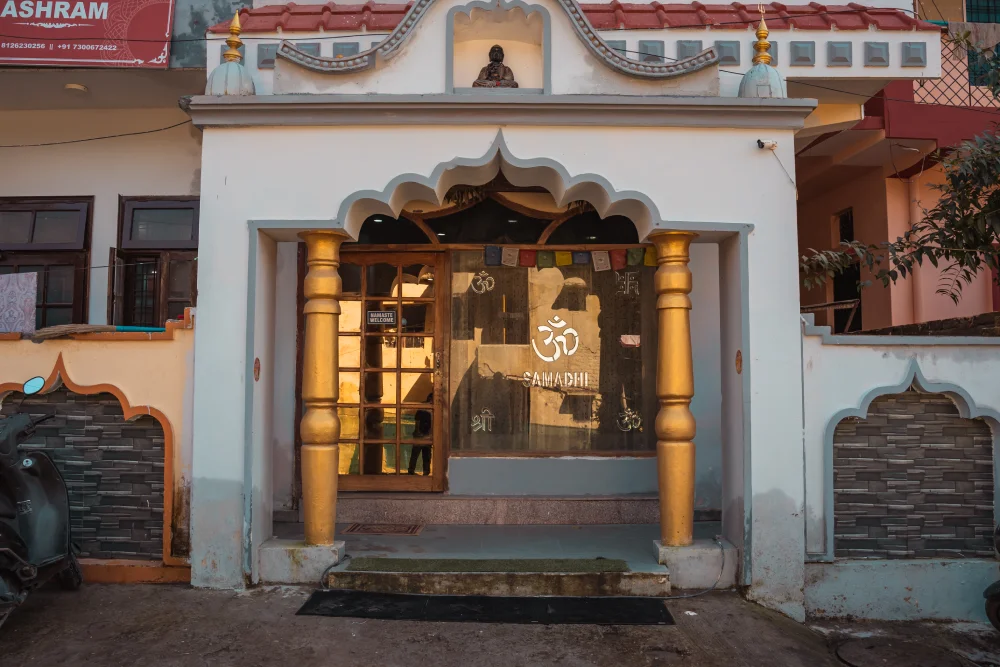












Content reviewed and updated:
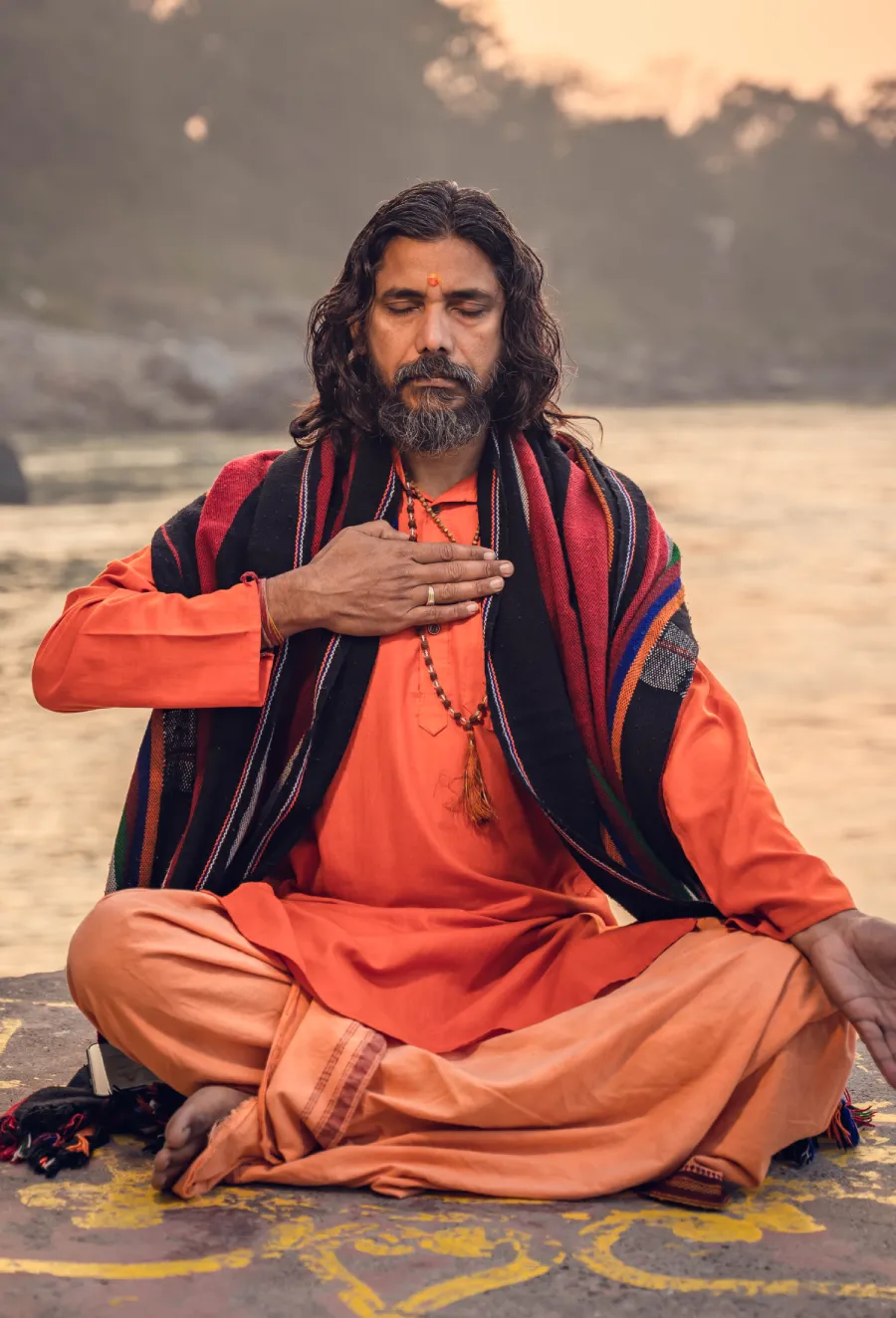
Yogi Vishnu PanigrahiFounder & Spiritual Director
25+ years Himalayan tradition · Yoga Alliance E-RYT 50025+ years in the Himalayan Yoga Tradition · Yoga Alliance E-RYT 500
Start Here · 100 to 500 Hours · Yoga Alliance Registered
Which Yoga Teacher Training in India Is Right for You?
Most people searching for yoga teacher training in India, and specifically yoga teacher training in Rishikesh, its birthplace on the Ganga. Already know they want to come. What they have not settled is which course, and the hour counts are genuinely confusing until someone explains what they mean.
The short version: 200 hours is the qualification. It is the international standard, it is what studios ask to see, and it is the only entry-level course that leads to Yoga Alliance RYT 200 registration. Everything below it (our 100 hour course, our shorter Kundalini and specialty programmes) deepens your practice or adds a specialism, but it does not make you a registered teacher on its own.
Above 200, the ladder is straightforward. The 300 hour is for people who already hold an RYT 200 and want to advance; completing both gives you RYT 500. The 500 hour course covers the whole path in a single longer stay, which suits people who can take two months out rather than returning twice.
Then there is style. Our multi-style track is Hatha and Ashtanga Vinyasa with pranayama, philosophy, anatomy and teaching methodology: the broad foundation most new teachers need. Kundalini is a different discipline entirely: kriya, chakra work, mantra and meditation in the classical tantric tradition. Ayurveda-integrated training adds the sister science of yoga, and suits people drawn to therapeutic and lifestyle work rather than studio teaching alone.
- Hours100 / 200 / 300 / 500
- ModuleOnsite Training + Accommodation
- Yoga StylesMulti-Style, Kundalini, Ayurveda
- LevelBeginner to Advanced
- LanguageEnglish
- LocationLaxman Jhula, Rishikesh
- Date1st of Every Month
- FoodSatvik Vegetarian/Vegan Meals
- AccommodationPrivate & Shared Room
All Courses in Rishikesh
Every Yoga Teacher Training We Run in Rishikesh
Everything below runs at our Laxman Jhula ashram in Rishikesh: residential, taught in English, with a new batch starting on the 1st of every month. The three tracks are separate disciplines rather than difficulty levels: choose the tradition you want to study, then the hour count that matches where you are.
Multi-Style Yoga Teacher Training
Hatha and Ashtanga Vinyasa, with pranayama, meditation, yoga philosophy, anatomy and teaching methodology. These are the courses that lead to Yoga Alliance RYT registration.
100hours
Yoga Teacher Training
8 days
Deepening practice, not yet teaching
From
$550
View course
Most Popular 200hours
Yoga Teacher Training
25 days
Becoming a certified teacher (RYT 200)
From
$599
View course
300hours
Yoga Teacher Training
29 days
Advancing after RYT 200
From
$1,290
View course
500hours
Yoga Teacher Training
59 days
The complete path in one stay
From
$2,090
View course
Kundalini, Tantra & Meditation Training
A separate discipline from the multi-style track: chakra sadhana, kriya yoga, tantric pranayama, mantra and deep meditation, taught in the classical Himalayan tradition.
Ayurveda, Specialty & Healing Courses
Focused certifications that build on an existing practice, or add a therapeutic dimension to your teaching.
- 200 Hour Ayurveda Yoga Teacher TrainingYoga taught alongside its sister science, for therapeutic and lifestyle work.
- Yin Yoga Teacher TrainingLong holds, connective tissue, stillness.
- Kids Yoga Teacher TrainingTeaching children and teenagers.
- Prenatal Yoga Teacher TrainingWorking safely with pregnancy.
- Reiki TrainingLevels I, II and Master, taught separately from our yoga programmes.
- 5 Day Ayurveda RetreatA short introduction to Ayurvedic principles and Panchakarma.
We have great
achievements to show.
5000+
Graduates
4.9
Tripadvisor Rating
15+
Years
100+
Countries
Why Here
Why Train in India, and Why in Rishikesh
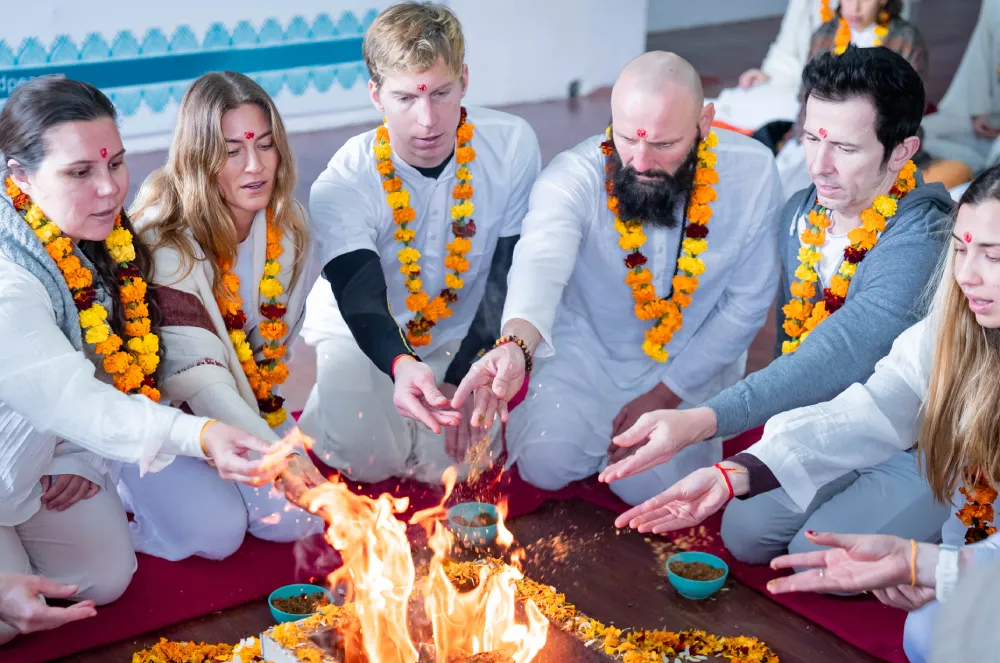

You can qualify as a yoga teacher almost anywhere now. Training in India is a different proposition, and it is worth being clear about why people still travel for it.
The first reason is immersion. A course spread over weekends at home competes with your job, your commute and your family. A residential course in an ashram does not. You wake before dawn, you practise before you eat, you study philosophy in the late morning and anatomy in the afternoon, and you do that every day for three to eight weeks. That density is why people describe a month in Rishikesh as changing more than years of weekly classes.
The second is lineage. Rishikesh is where the Ganga leaves the Himalayas, and it has been a place of yogic study for centuries. What is taught here has been passed teacher to student rather than assembled from books and teacher-training manuals. Our founder, Yogi Vishnu Panigrahi, studied in that line, and our faculty have taught at the ashram for more than a decade.
The third, plainly, is cost. A 200 hour residential course in India (accommodation, all meals, materials and certification included) typically costs less than half the equivalent in Europe, North America or Australia, where accommodation is usually not included at all.
The honest caution: Rishikesh has hundreds of schools and the quality varies enormously. Check that the school is genuinely Yoga Alliance registered at the level you are booking, read reviews that are not on the school's own website, and be sceptical of anything advertised as a certification in under 100 hours.
The Samadhi Difference
What Makes Samadhi Yoga Ashram the Right Choice
Birthplace of Yoga
In Rishikesh, the original land of yogis, sages and Himalayan masters
Ganga Aarti & Riverside Setting
Daily Ganga aarti, holy river steps from your room at Laxman Jhula
Himalayan Foothills Energy
Surrounded by Himalayan peaks, a naturally meditative environment
Traditional Indian Ashram Life
Mauna mornings, satsang, havan, kirtan: real Indian ashram culture
Authentic Sattvic Indian Food
Three fresh sattvic meals daily: Ayurvedic spices, ghee, dal-roti-sabzi
Pilgrimage & Sacred Sites Nearby
Lakshman Jhula bridge, Vashishth Cave, Neelkanth Mahadev temple: all within reach of the ashram on foot or by short drive
Committed To Providing The Best
Learn From Best Yoga Gurus In Rishikesh
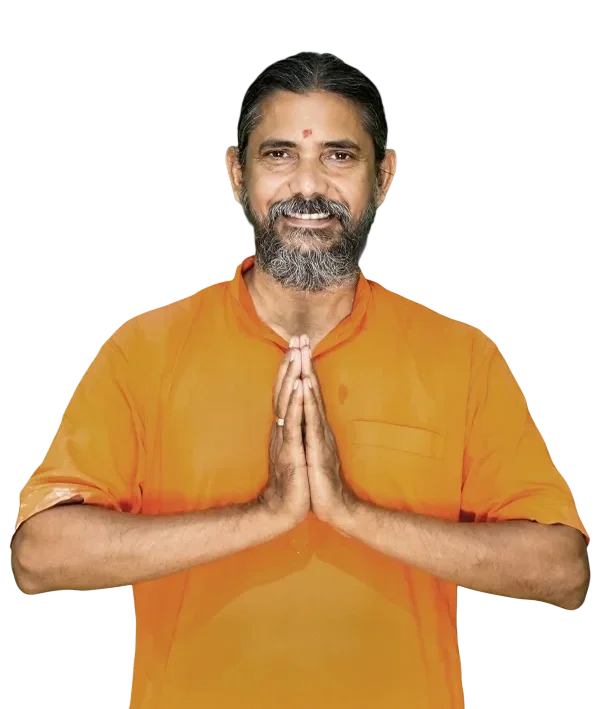
Ashram Founder
Exposed to a spiritual atmosphere since birth, Yogi Vishnu has travelled extensively to teach yoga, meditation and inner-faith… Show more
 15+ Year Of Experience In Yoga
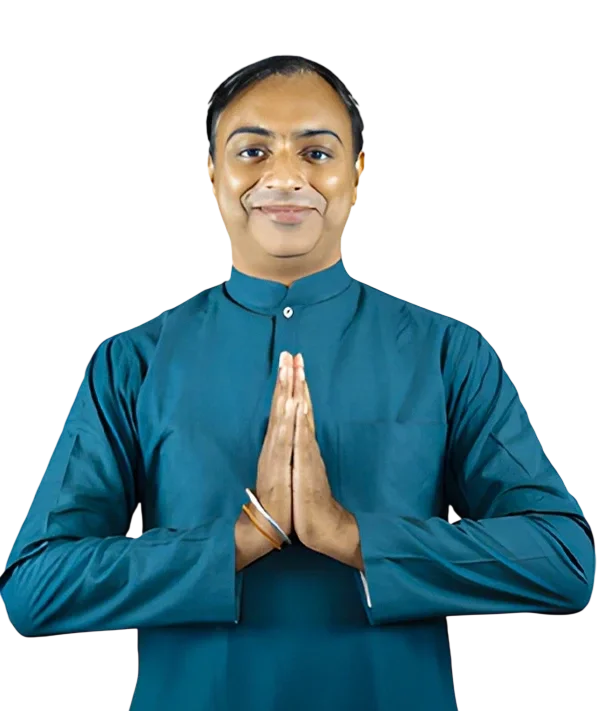
Kundalini & Swara Yoga
Born in Rishikesh, Yogi Praveen specializes in Meditation, Philosophy, Swara Yoga and Pranayama, with a simple approach beginners love… Show more
12+ Year Of Experience In Yoga
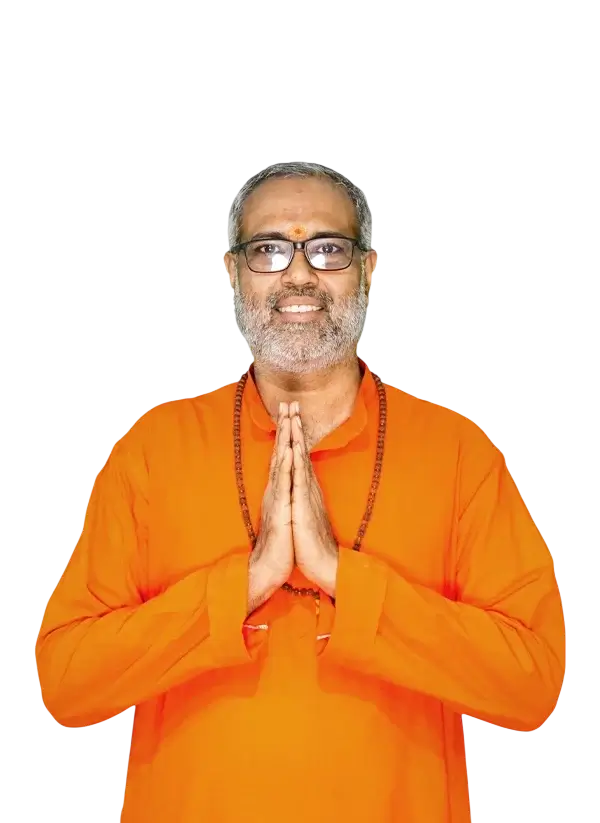
Vedanta Philosophy
A devoted teacher of Vedanta philosophy, Swami Shiv Ji guides students into the deeper wisdom of the Upanishads and Bhagavad Gita… Show more
20+ Year Of Experience In Yoga

Specialist Teacher & Therapist
Dr. Hemlata blends classical Hatha with therapeutic yoga, helping students heal through alignment, breath and mindful practice… Show more
10+ Year Of Experience In Yoga
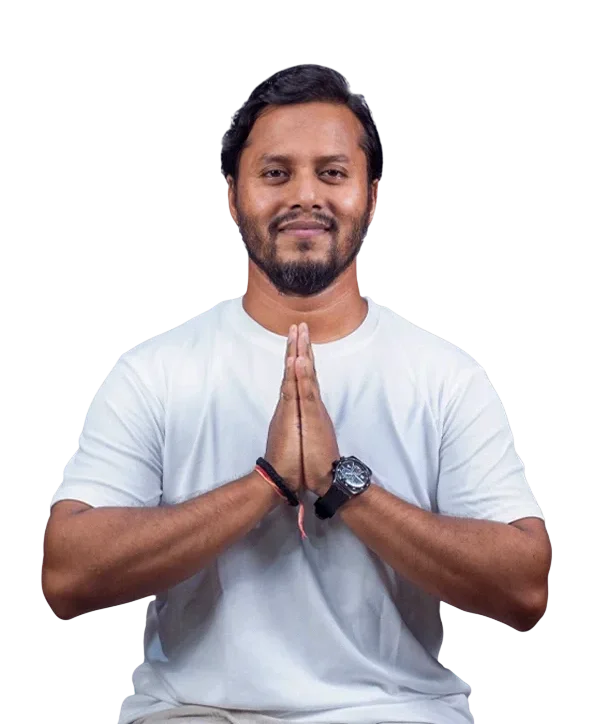
Sound Healing & Meditation
Yogi Siddha holds space through sound healing and silent meditation, leading students into stillness with mantra, bowls and breath… Show more
10+ Year Of Experience In Yoga
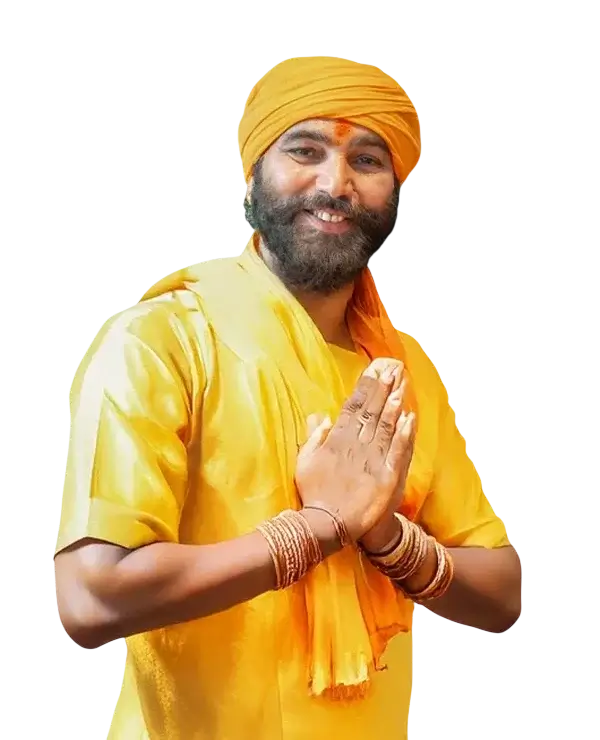
Advanced Pranayama
Dr. Sanjeev specialises in advanced pranayama and yogic breathwork, opening subtle pathways for energy and inner clarity… Show more
12+ Year Of Experience In Yoga
We Follow
The 5000 Years Old Yoga Tradition of The Himalayan Masters
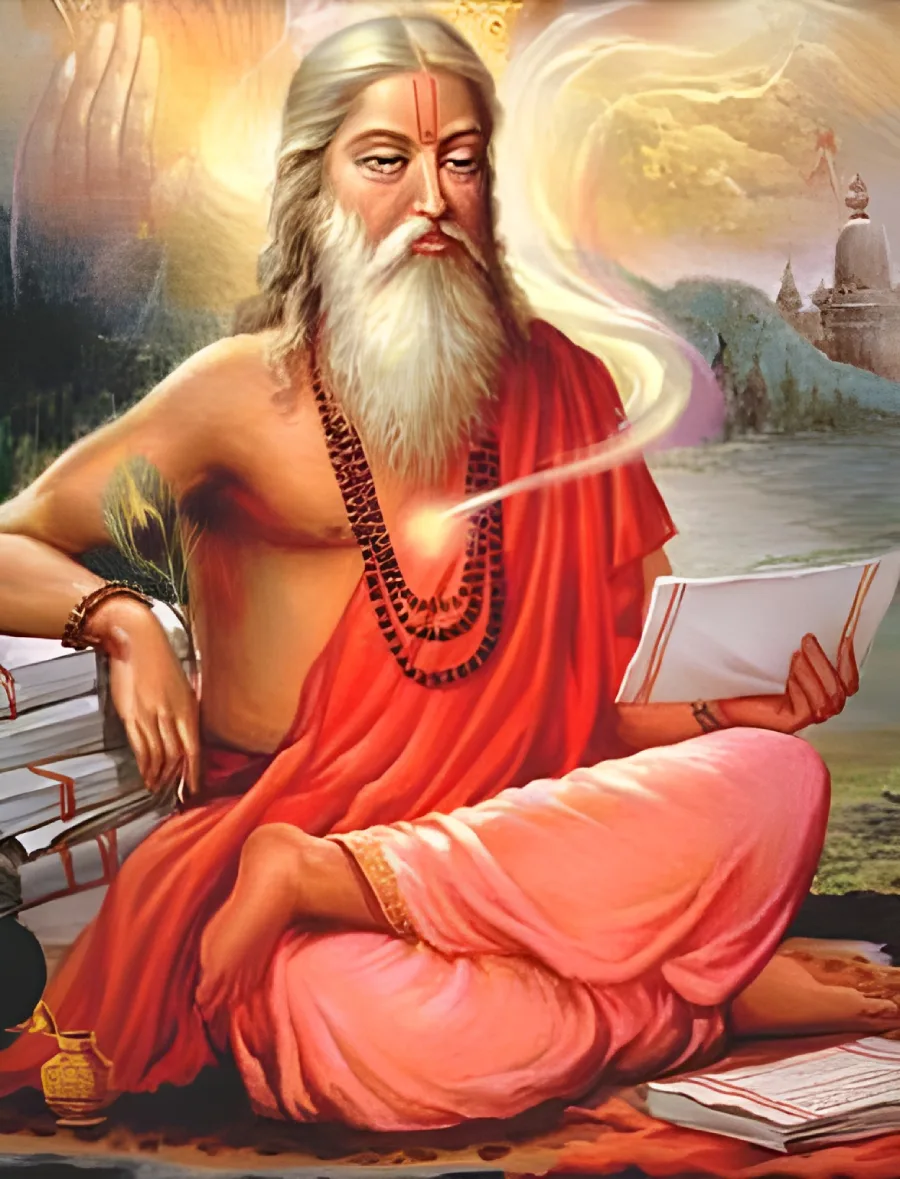
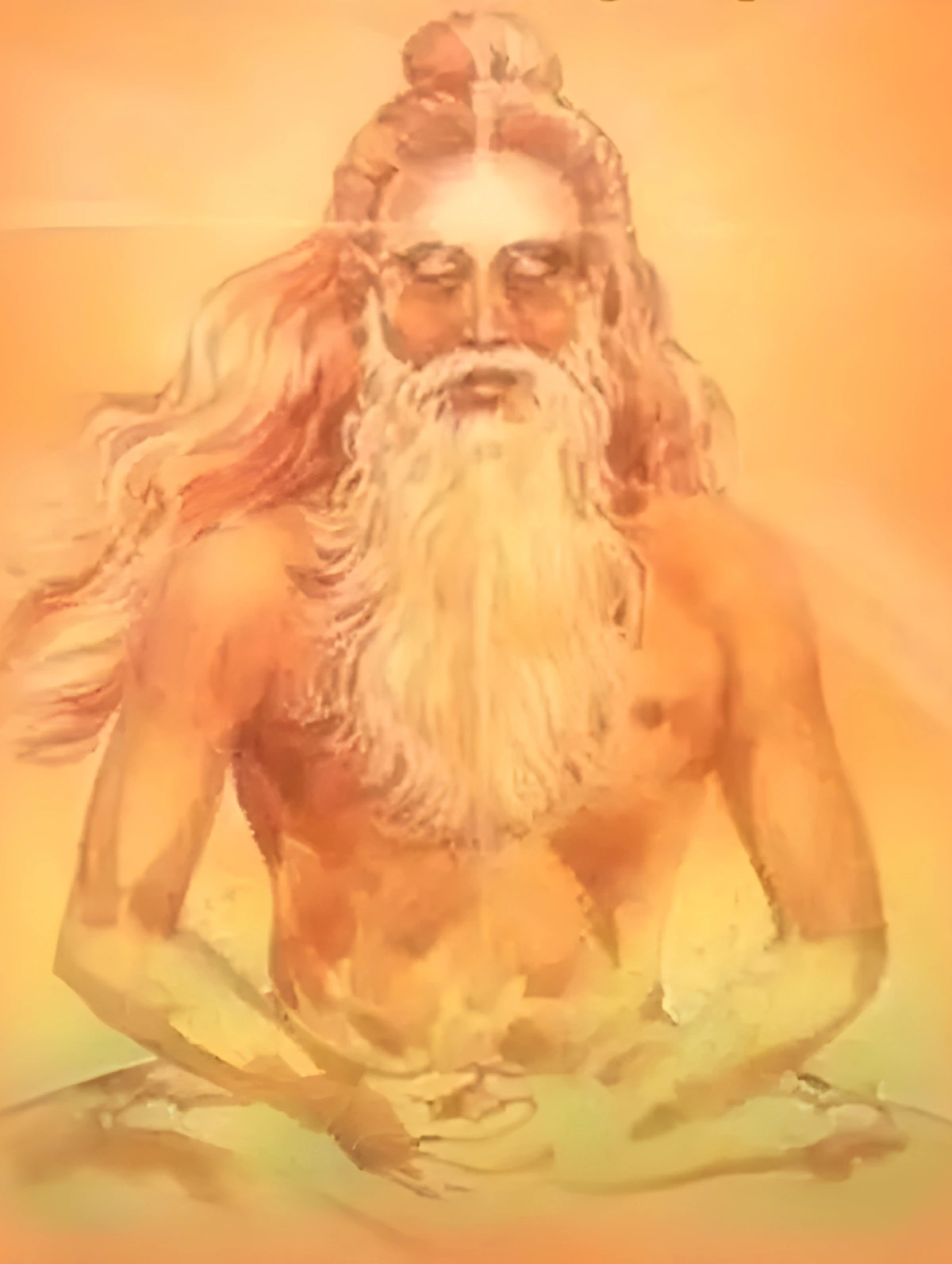
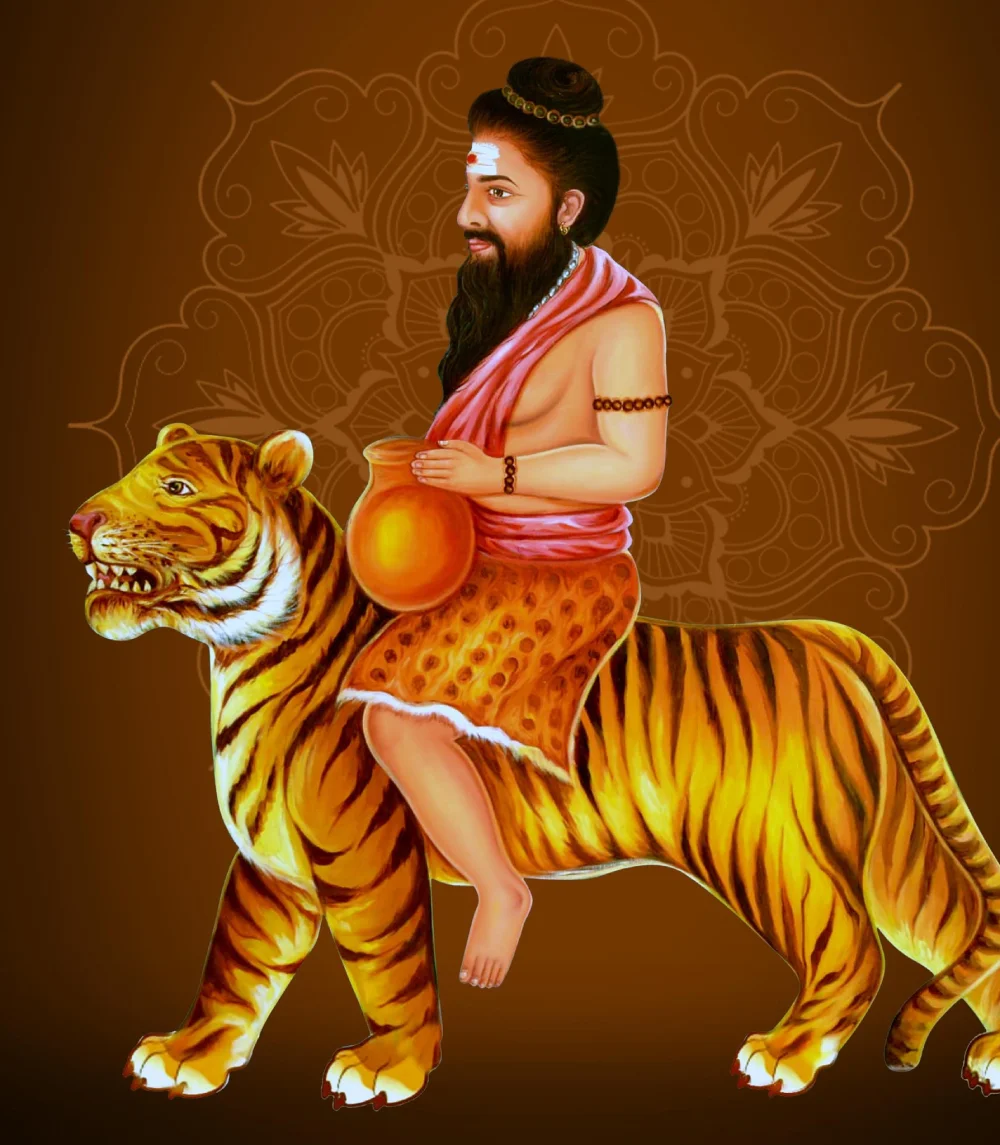
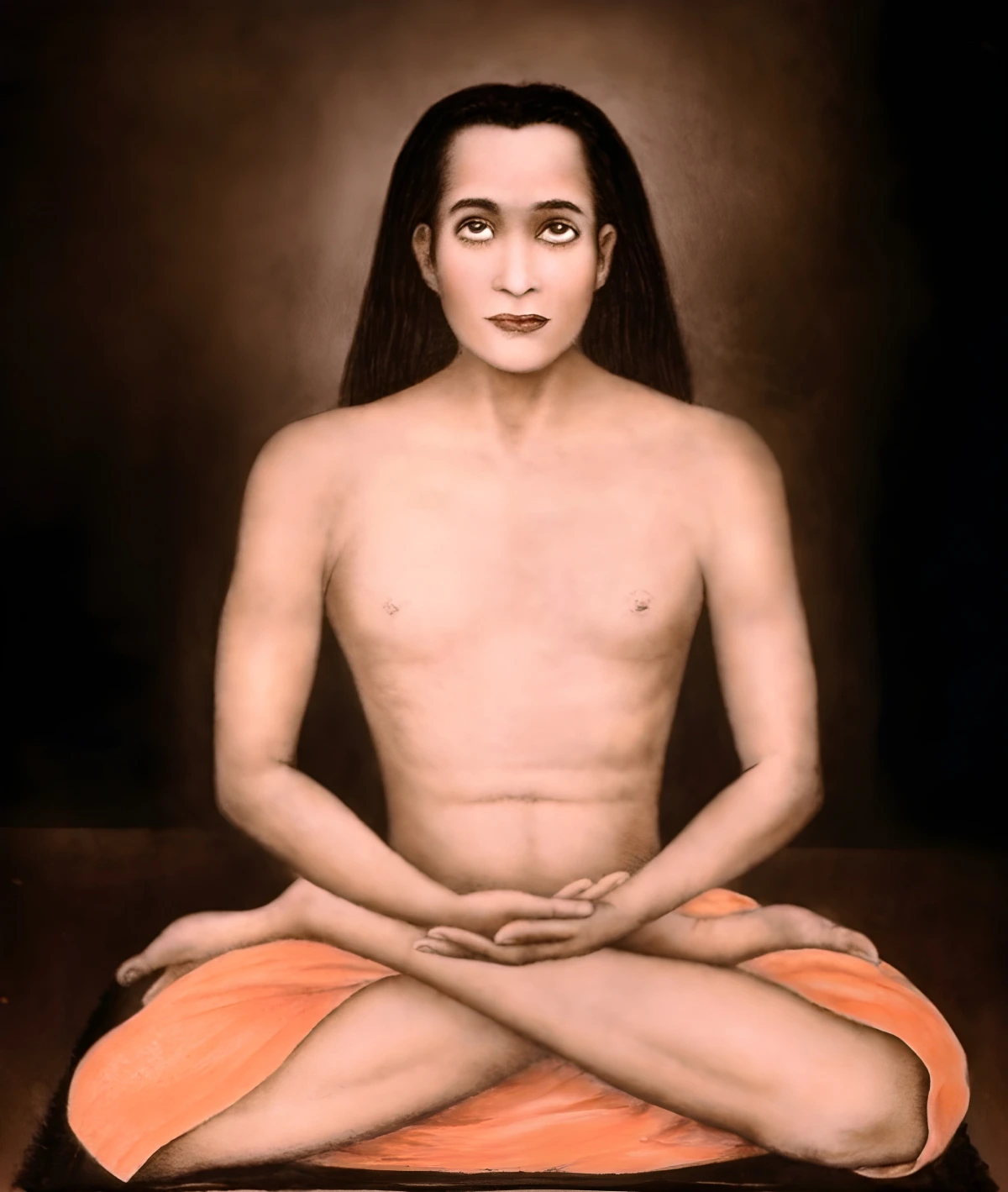
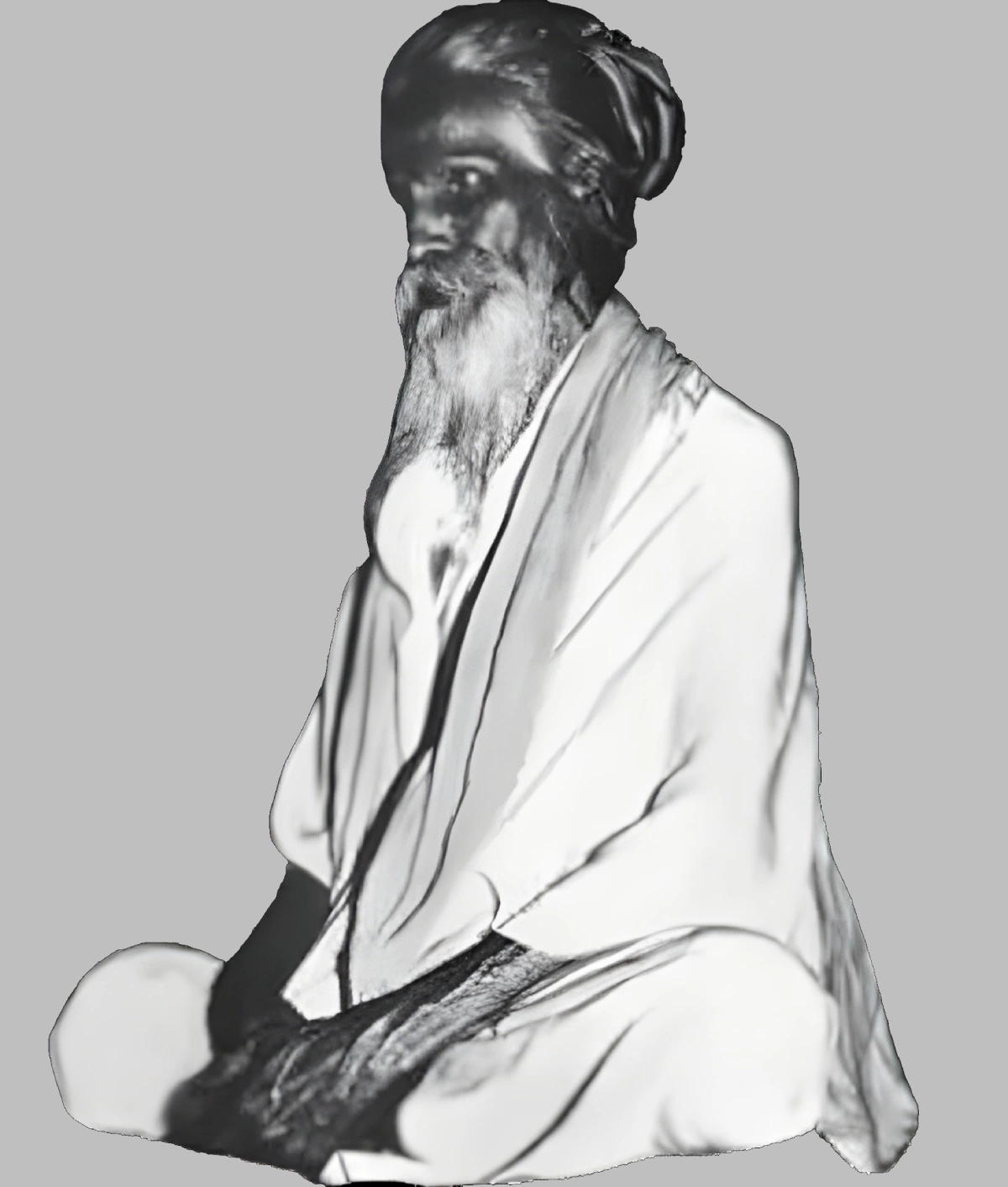
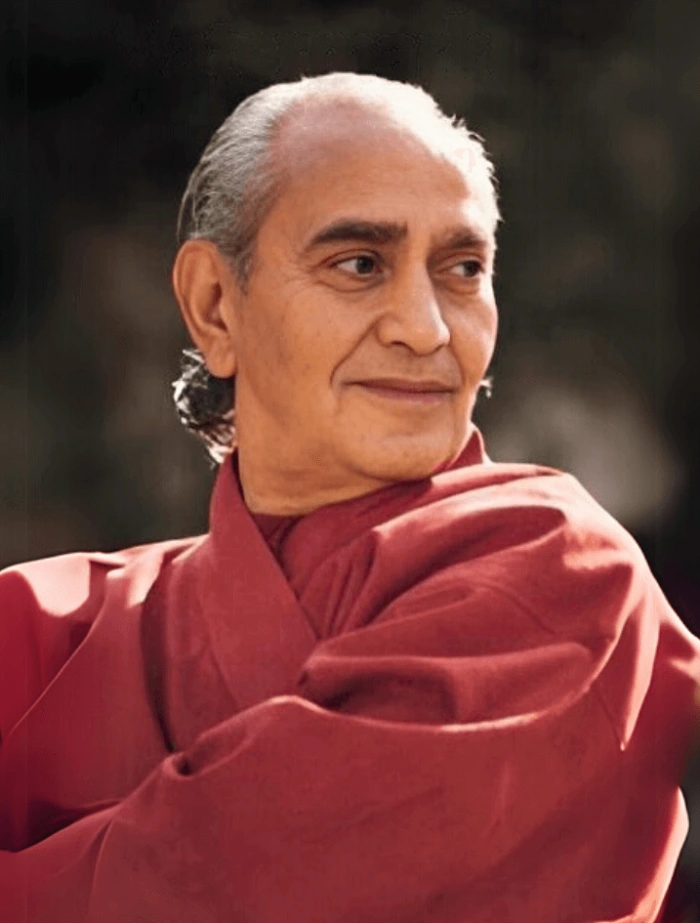
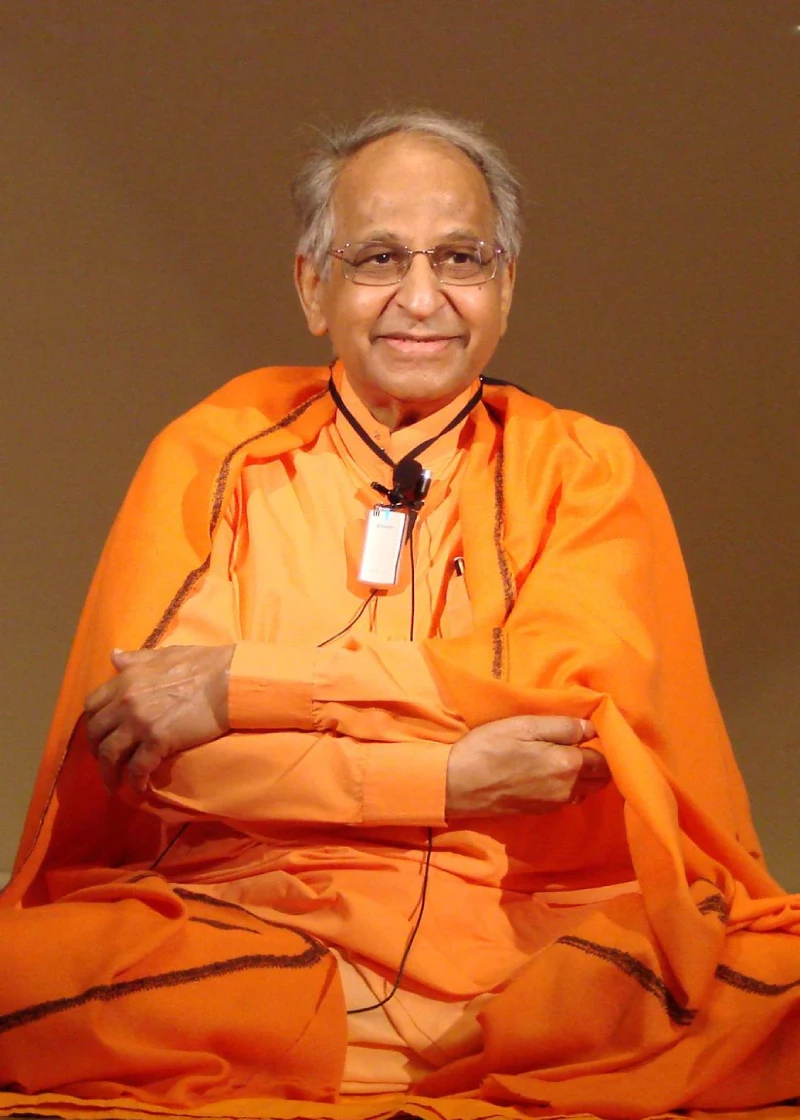
Samadhi Yoga Ashram follows the teachings of generations of Himalayan masters and saints who lived in the cave hermitages of the Himalayas. The teaching lineage stretches back nearly 5,000 years and includes Agastya Muni, Patanjali, Siddha Bhogar, Mahavatar Babaji, Bengali Baba, Swami Rama of the Himalayas, and his student Swami Veda Bharati. This tradition was practiced for centuries without a single name. We refer to it simply as the Tradition of the Himalayan Masters.
Yogi Vishnu Panigrahi, the founder of Samadhi Yoga Ashram, is a student of Swami Veda Bharati. Who was, in turn, a student of Swami Rama. Through this unbroken teacher-student chain, the practical methods of pranayama, meditation, kriya and yoga philosophy have been transmitted from one generation to the next without being diluted by trend.
Although yoga has roots in Hindu culture, it is not a religion. The Himalayan path is open to anyone, regardless of religion, language or nationality. What it asks of you is sincerity, regularity, and willingness to learn from a teacher. The classical teacher-student relationship is still the foundation of how we work.
The ashram teaches the full eight-limbed path of yoga: including Karma Yoga, Bhakti Yoga, Jnana Yoga, Raja Yoga, Kundalini Yoga and Tantra Yoga. A central instruction of the Himalayan tradition is "to be free of fear, become aware of the reality within." The work is practical, daily, and grounded, not abstract, not religious, not performative.
-
![Agastya Muni - Ancient Vedic Sage and Author of Rig Veda]()
Vedic Era
Agastya Muni
Author of verses of Rig Veda
-
![Patanjali - Father of Yoga and Author of Yoga Sutras]()
4th Century BC
Patanjali
Father of Yoga Sutras
-
![Siddha Bhogar - Ancient Tamil Siddhar and Yoga Master]()
550 BC
Siddha Bhogar
Tamil Siddhar & Yoga Master
-
![Mahavatar Babaji - Immortal Himalayan Yogi and Master of Kriya Yoga]()
203 AD, Present
Mahavatar Babaji
Immortal Master · Disciple of Siddha Bhogar
-
![Bengali Baba - Himalayan Yogi and Guru of Swami Rama]()
Himalayan Master
Bengali Baba
Guru of Swami Rama
-
![Swami Rama of the Himalayas - Founder of Himalayan Institute]()
1925 – 1996
Swami Rama
Founder, Himalayan Institute
-
![Swami Veda Bharati - Himalayan Yoga Tradition Master]()
1933 – 2015
Swami Veda Bharati
Himalayan Tradition Master
-
![Guru Vishnu - Founder of Samadhi Yoga Ashram Rishikesh]()
1974, Present
Guru Vishnu
Lives in Rishikesh
Before You Book
Visas, Timing and What Is Included
Visa
Most nationalities need a tourist e-Visa, applied for online before travel. A tourist visa is the correct category for a residential yoga course. Rules change, so confirm with your nearest Indian mission before booking flights. We provide an enrolment letter for your application.
Best Months
February to April and September to November are the most comfortable. May and June are hot; July and August are monsoon: green, quiet and cheaper, but wet. December and January are cold, bright and calm.
Included
Accommodation, three sattvic vegetarian meals daily, all classes and materials, certification, weekend excursions and airport pickup on arrival. Flights, visa fees and private-room upgrades are extra. See course fees.
Globally Recognized · Authentically Rooted
Accreditations & Global Certifications
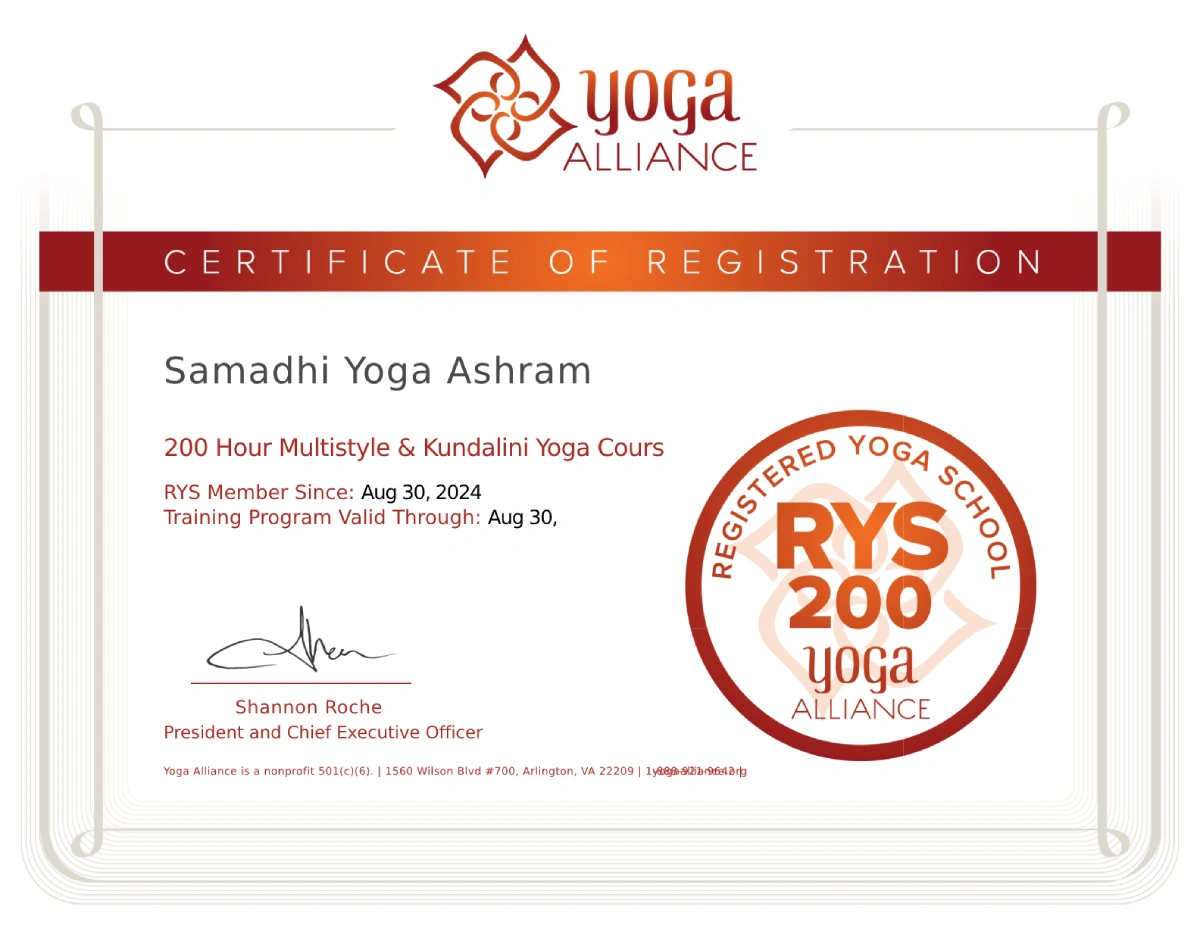
Samadhi Yoga Ashram is officially registered with the world's most respected yoga bodies. Every certificate you earn here is recognized internationally, opening doors to teaching opportunities in over 195 countries.
-
Internationally Registered
Yoga Alliance USA: RYS 200, 300 & 500
Registered Yoga School with the world's largest yoga credentialing body. Graduates can teach worldwide as RYT® 200, RYT® 300 and RYT® 500 certified teachers.
-
UK Accreditation
Yoga Alliance Professionals (UK)
Recognized by Yoga Alliance Professionals UK, an internationally respected accreditation valued across Europe and the Commonwealth.
-
Global Network
International Yoga Alliance
Affiliated with the International Yoga Alliance, supporting authentic, traditional yoga education worldwide and connecting our school to a global teaching network.


Book For This Course
Recommended Readings Before This Course
All the books including other study materials will be sent after enrolment of the course, and a online 50 hour preparatory course will be given freely.
Daily Life of a Yogi Book
Himalayan Tradition Of Yoga Meditation
Manta Book By Guru Vishnu Ji
Questions
Yoga Teacher Training in India: Questions We Are Asked Most
If you want to teach, choose the 200 hour course. It is the internationally recognised entry qualification and leads to RYT 200 registration with Yoga Alliance. The 100 hour course is a shorter immersion for deepening practice, not a teaching credential. The 300 hour builds on an existing RYT 200 and completes you to the 500 hour level. Choose the Kundalini or Ayurveda tracks only if that specific discipline is what you came for.
Rishikesh sits where the Ganga leaves the Himalayas, and it has been a centre of yogic study for centuries: long before yoga became an international industry. That concentration of teachers, ashrams and lineage is why it is called the yoga capital of the world, and it is why we teach there. Practically, it also means far more schools to choose between, so check Yoga Alliance registration and read real reviews before you book anywhere.
Our residential courses start from USD 990 for the 200 hour training, including accommodation, three meals a day, course materials and certification. India is significantly cheaper than training in Europe, North America or Australia for the same number of hours, often less than half. Full pricing is on our course fees page.
RYS (Registered Yoga School) is the school's status with Yoga Alliance. We are registered at the 200, 300 and 500 hour levels. RYT (Registered Yoga Teacher) is what you become after completing an RYS-registered course and registering yourself. Only our multi-style teacher trainings lead to RYT registration; specialty and continuing-education courses award our own completion certificate, which each course page states explicitly.
Yes. Most nationalities need a tourist e-Visa, which is applied for online before travel. A tourist visa is appropriate for a residential yoga course. Requirements and processing times change, so check with your nearest Indian mission well before booking flights. We provide an enrolment letter to support your application on request.
February to April and September to November are the most comfortable months: warm days, cool evenings, clear Himalayan air. May and June are hot. July and August are monsoon: green, quiet and cheaper, but wet. December and January are cold but bright, and the town is calm.
Rishikesh is one of the more comfortable places in India for solo women, in part because it is a pilgrimage town where alcohol and meat are prohibited. Our campus is residential and gated with staff on site. As anywhere, dress modestly, avoid walking alone late at night, and arrange airport transfer in advance. We include pickup on arrival day.
No formal experience is required for the 100 or 200 hour courses. Three to six months of regular self-practice helps but is not mandatory. The 300 and 500 hour courses require a prior 200 hour certification.
Yes. We run the same curriculum and lineage at our Ubud campus. See yoga teacher training in Bali. Rishikesh is the lower-cost option and the traditional source; Bali is often an easier first trip to Asia.
Ashram Life
Rules & Regulations
Yogic discipline is the foundation of every meaningful practice. These guidelines keep the sanctity of the ashram, support your fellow students, and align with international Yoga Alliance standards.
Code of Conduct
A respectful, mindful environment is expected from every student joining the ashram.
- Smoking and alcohol are strictly prohibited within the ashram.
- Inform the kitchen manager in advance if you are fasting, to avoid food wastage.
- Maintain discipline on premises and respect teachers by following all rules.
- Be punctual. Late arrivals cannot join ongoing sessions.
- Return any books, maps or items borrowed from the institution.
- Accommodation is reserved for enrolled students only, not friends or family.
- Full attendance is compulsory across all scheduled programs.
Refund Policy
Advance payments are non-refundable, but we welcome you to join a future course in case of emergency.
- Cancellation requests are accepted. Advance deposits are not refunded.
- No cancellation fee is charged. Simply notify the ashram by email.
- Deposits may be transferred toward another Samadhi Yoga Ashram course at our discretion.
Yoga Alliance Guidelines
Our school operates in full compliance with Yoga Alliance student-protection policies.
- Anti-Harassment Policy: protection against any form of harassment, sexual, discriminatory, physical or online.
- Anti-Retaliation Policy: protection for anyone reporting a violation or participating in a related investigation.
- Attendance Policy: clear guidelines on student attendance and participation throughout the program.
Plan Your Arrival · Gateway to the Himalayas
How to Reach Us
Rishikesh is well connected by air, rail and road. Choose the route that suits you best. We are happy to arrange a complimentary pickup from Jolly Grant Airport (Dehradun) once your booking is confirmed.

By Train
Haridwar Railway Station → Rishikesh
~30 min by taxi or bus

By Bus
ISBT Kashmiri Gate, Delhi → Rishikesh
~6–7 hrs overnight service

By Road
Delhi → Rishikesh via NH58
~5–6 hrs drive
Samadhi Yoga Ashram: behind Laxman Jhula Police Station, Laxman Jhula, Rishikesh, Uttarakhand 249302
Feel Free To Contact Us
If you have any queries about courses at Samadhi Yoga Ashram, please reach out. Our team usually replies within 24 hours and can help with course details, schedules, accommodation, payment options and travel logistics.
Other Courses You May Want
Explore More Programs at Samadhi Yoga Ashram
Also Available In Bali
Learn From Home - Online Courses
Short Retreats In Rishikesh