



Balasana (Child’s Pose): Steps, Benefits, and Precautions
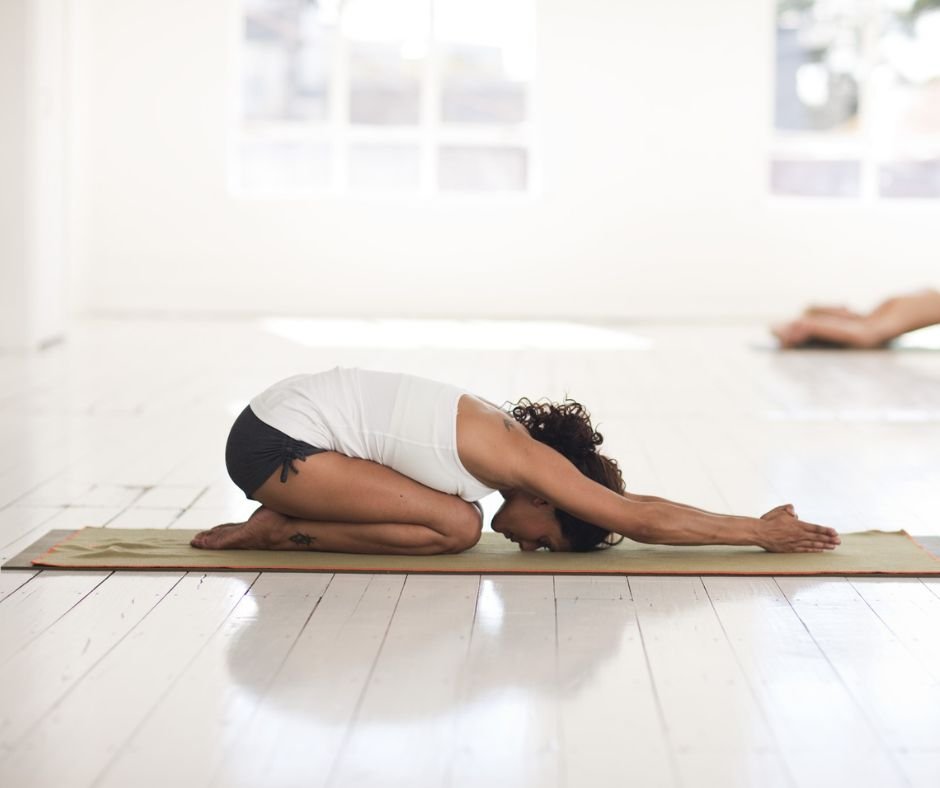
Table of Contents
- What Is Balasana (Child’s Pose)?
- What Does Balasana Mean?
- How to Do Balasana (Child’s Pose)
- How Long Should You Hold Balasana?
- Breathing in Balasana
- Benefits of Balasana
- Common Mistakes in Balasana
- Modifications for Beginners
- Balasana Precautions and Contraindications
- Is Balasana Good for Beginners?
- Conclusion
- Frequently Asked Questions About Balasana
- What is Balasana also called?
- What are the benefits of Balasana?
- Is Balasana good for beginners?
- How long should you hold Child’s Pose?
- Can I do Balasana every day?
- Can I practice Balasana if my knees hurt?
- Where should my arms be in Balasana?
Sometimes the best yoga pose is the one that lets you stop for a moment. That’s where Balasana, or Child’s Pose, comes in. You sit back on your heels, fold forward and let your forehead rest on the mat while your body gets a chance to relax.
Balasana is often the pose you return to when another posture feels too tiring or when you simply need a few quiet breaths. It’s easy to learn, doesn’t require much flexibility and can be changed to suit your body.
But there’s more to this simple pose than just taking a break. Let’s look at how to do Balasana correctly, its benefits, common mistakes, easy modifications and the precautions you should know before practicing it.
What Is Balasana (Child’s Pose)?
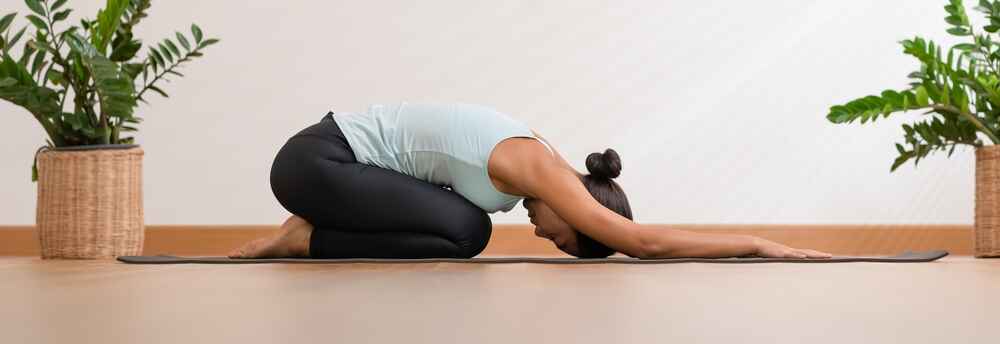
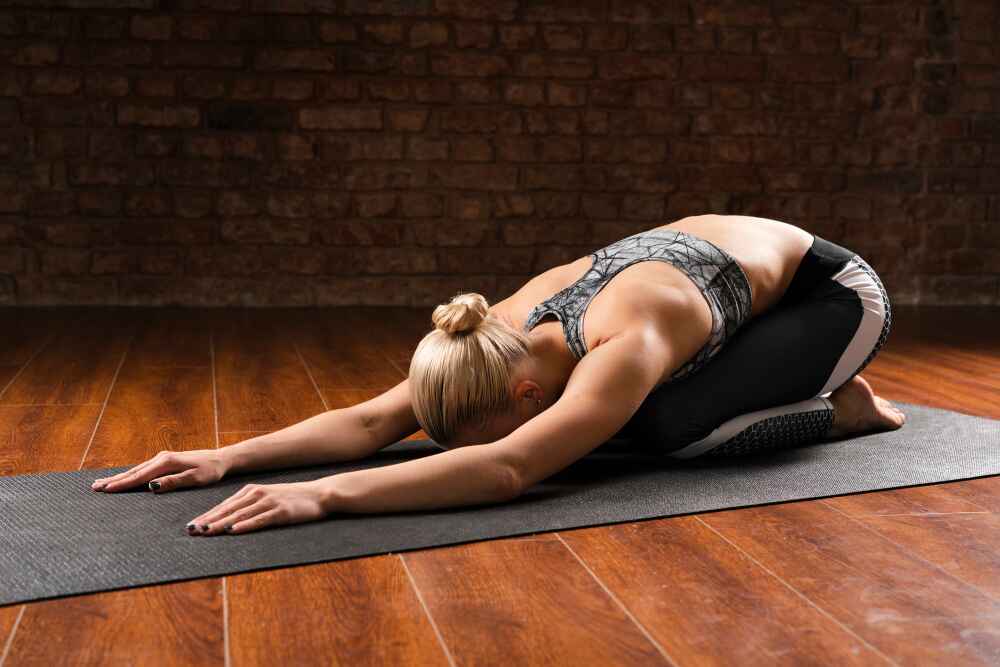
Balasana is a kneeling forward fold. You sit back on your heels, bend forward from the hips and let your chest come down toward your thighs. Your arms can stretch out in front of you or rest by your sides and your forehead rests on the mat or on a support.
Some people notice that the shape looks a bit like a child curled up, which is likely part of why it’s called ‘Child’s Pose’ in English. It’s used as a resting pose because it asks very little of the body, no balance, no deep flexibility, no strength.
Yes, beginners can practice Balasana. It’s usually one of the first poses taught in a beginner class and it’s also one of the poses experienced practitioners return to again and again, session after session.
What Does Balasana Mean?
Balasana comes from Sanskrit. “Bala” means child and “asana” means “pose” or “seat“. Put together, Balasana simply means “child’s pose“. That’s really the whole meaning, there isn’t a longer or more mysterious backstory behind the name.
How to Do Balasana (Child’s Pose)
Follow these steps slowly. There’s no need to rush any part of this pose.
- Kneel on your mat, bring your big toes together and sit back on your heels.
- Keep your knees apart, around 10 to 15 cm, or open them more if that feels better.
- Take a breath in, then breathe out and bend forward.
- Lower your chest toward your thighs and go only as far as you can comfortably.
- Stretch your arms forward and place your palms on the mat, you can also keep your arms beside your body with your palms facing up.
- Rest your forehead gently on the mat and if it doesn’t reach comfortably, don’t force it and place a cushion or block under your forehead instead.
- Relax your shoulders and let your body rest.
- Stay here for a few breaths.
- To come out, press your palms into the floor and slowly lift your upper body.
How Long Should You Hold Balasana?
There’s no fixed rule for how long you should hold Child’s Pose yoga. If you’re using it as a short break between other poses, 30 seconds to a minute is often enough. If you’re using it as a longer rest, at the start or end of your practice, a few minutes can feel good too.
The right length really depends on why you’re doing the pose and how your body feels that day. It’s fine to come out sooner if you feel any discomfort and it’s fine to stay longer if it feels good.
Breathing in Balasana
Breathe slowly through your nose while you’re in the pose. There’s no need to force a deep breath or hold it in any way. Just let your breathing settle into its own natural rhythm.
As you breathe in, you may notice your lower back and belly gently expand. As you breathe out, let your body relax. Keep your breathing calm and steady. That’s all you need to do.
Benefits of Balasana
Balasana yoga can benefit your body in several ways. Here are the main benefits to know:
- Stretches your hips, thighs and ankles
- Loosens tight muscles in your lower body
- Gently stretches the muscles along your back
- Gives you a chance to rest between harder poses
- Slows your breathing, which can help you feel calm
- With regular practice, your hips and lower back may move more easily
- Can feel especially good after a long day of sitting
These Child’s Pose benefits are fairly modest but genuinely useful, this is a resting pose, not an intense one and that’s exactly the point of it. If you’re looking for balasana benefits beyond the physical stretch, the main one people report is simply feeling calmer and less rushed by the time they come out of it.
Common Mistakes in Balasana
A few small habits can take away from how comfortable this pose feels:
- Let your hips move toward your heels naturally instead of forcing them down.
- Find a knee position that feels comfortable rather than trying to keep them in a fixed position.
- Keep your breathing slow and steady throughout the pose.
- If your forehead doesn’t reach the floor comfortably, place a cushion or block underneath it.
- A mild stretch is normal, but sharp pain means you should ease out of the pose.
- Keep your back relaxed and your spine comfortable instead of rounding or stiffening it too much.
Modifications for Beginners
Child’s Pose yoga is meant to be an easy, comfortable pose, so don’t hesitate to use props if you need them:
- Place a folded blanket, bolster or cushion under your chest if it doesn’t reach your thighs.
- Rest your forehead on a yoga block, your hands, or a rolled towel if it doesn’t reach the mat.
- Keep your knees a little wider if it feels more comfortable for your stomach and chest.
- Place a cushion between your calves and thighs if sitting fully back on your heels feels uncomfortable.
- Put a rolled blanket behind your knees or under your ankles if kneeling bothers those joints.
Balasana Precautions and Contraindications
Balasana yoga pose is generally considered a gentle pose, but a few situations call for extra care:
- Knee Injuries: If your knees are injured or sore, kneeling may not feel comfortable. A cushion between your calves and thighs can help, or you may want to skip the pose for now.
- Ankle Problems: The folded position puts some pressure on the ankles. A cushion underneath can ease this.
- Recent Surgery: If you’ve had recent surgery, it’s best to check with your doctor before kneeling or folding deeply.
- Severe Back Pain or Injury: Forward folding may not suit every back condition, so go gently and stop if anything feels wrong.
- Pregnancy: Keep your knees wide to avoid pressure on your belly, but check with your doctor or prenatal yoga teacher before doing the pose.
- High Blood Pressure: Some people are advised to be cautious with poses where the head is lower than the heart. If you have high blood pressure, ask your doctor before practicing.
If you have any injury or medical condition, ask your doctor or a qualified healthcare professional before practicing Balasana.
Read More: 6 Calming Yoga Poses for Stress Relief, Anxiety, and Emotional Exhaustion
Is Balasana Good for Beginners?
Yes. Balasana yoga pose is one of the easiest poses to start with because it doesn’t need flexibility, strength, or balance. That’s exactly why it’s usually one of the first poses taught in a beginner class.
That said, beginners shouldn’t force any part of the shape. Let your hips settle back gradually, let your forehead rest only where it comfortably reaches and use cushions or blocks freely. The pose is meant to feel easy, not like a stretch you have to push into.
Conclusion
Balasana is proof that not every yoga pose needs to be hard to be useful. It’s simple, it asks nothing of your body and it gives you a moment to slow down and breathe. Whether you’re new to yoga or you’ve been practicing for years, this is a pose you’ll likely keep coming back to, as a rest, a reset or just a quiet pause in your day.
If you’d like to explore poses like Balasana in more depth along with the breathing and alignment behind them, a structured program such as Yoga Teacher Training in India can be a good place to build that understanding step by step.
Frequently Asked Questions About Balasana
What is Balasana also called?
Balasana yoga is commonly called Child’s Pose in English. You may also see it written as Childs Pose or Child Pose, all of these refer to the same posture.
What are the benefits of Balasana?
The main benefits are a gentle stretch through the hips, thighs and back, a short rest between more demanding poses and a calmer state of mind through slow breathing.
Is Balasana good for beginners?
Yes, it’s one of the most beginner-friendly poses in yoga since it doesn’t require flexibility or strength.
How long should you hold Child’s Pose?
There’s no fixed time. Anywhere from 30 seconds to a few minutes is fine, depending on how you’re using the pose and how your body feels.
Can I do Balasana every day?
For most healthy people, practicing Balasana pose daily is generally fine since it’s a gentle, low-effort pose. If you have any injury or medical condition, it’s best to check with your doctor first.
Can I practice Balasana if my knees hurt?
If your knees are sore or injured, be cautious. Placing a cushion between your calves and thighs can reduce pressure but if kneeling still hurts, it’s better to skip the pose or ask a healthcare professional for guidance.
Where should my arms be in Balasana?
You can stretch your arms forward on the mat with palms facing down or rest them alongside your body with palms facing up. Both are correct, it’s simply a matter of comfort.
This article is for general information and is not medical advice. If you have a respiratory or heart condition, are pregnant, or are unsure whether these practices suit you, please speak to your doctor before beginning. Yoga poses and breathing exercises should be practiced with proper guidance from a qualified yoga teacher to help ensure safe and correct practice.