




What Is a Vegan Diet? Benefits, Foods, Nutrition and Risks
Table of Contents
- What Is a Vegan Diet?
- What Do Vegans Eat? A Simple Vegan Food List
- What Foods Are Not Included in a Vegan Diet?
- Vegan Diet vs Vegetarian Diet
- Why Do People Follow Veganism?
- Vegan Diet Benefits
- Vegan Diet Nutrients to Pay Attention To
- Vegan Diet Risks and Disadvantages
- Vegan Diet for Beginners
- Example of a Healthy Vegan Day
- Conclusion
- Frequently Asked Questions
- Is a vegan diet safe for children and pregnant women?
- Do vegans need supplements?
- Can vegans get enough protein?
- Can athletes follow a vegan diet?
- Is vegan food expensive?
- Can a vegan diet cause hair loss?
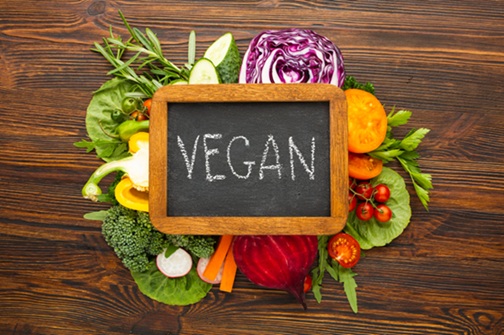
A vegan diet means you eat only food that comes from plants. No meat, no fish, no milk, no eggs and no honey. If it came from an animal, it’s out.
That might sound strict at first but once you see what you can eat, it often feels much easier than people expect.
In this guide, we’ll go through what vegans eat, what they avoid, the possible benefits, the nutrients you need to watch and a few simple tips if you want to try it.
What Is a Vegan Diet?
A vegan diet is made up of plant foods only. That includes fruits, vegetables, grains, beans, lentils, nuts and seeds. It leaves out all animal foods, and also anything made using animal parts.
For some people, veganism goes beyond food. They also avoid leather, wool, silk, fur and beauty products tested on animals. For them, it’s a way of living, not just a way of eating.
You may also see the words plant based diet. People use this term in different ways. Sometimes it means a fully vegan diet. Other times, it just means someone eats mostly plants and has a little dairy or meat now and then. A vegan diet is the stricter of the two.
What Do Vegans Eat? A Simple Vegan Food List
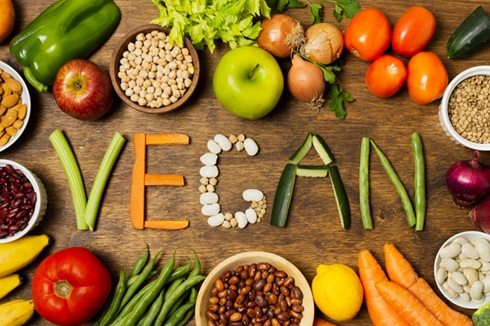
A lot, actually. Here’s a vegan food list to give you an idea:
- Fruits: banana, apple, orange, mango, papaya, guava, berries
- Vegetables: spinach and other greens, broccoli, carrot, cauliflower, peas, pumpkin, tomato, bhindi
- Grains: rice, wheat, oats, quinoa, and millets like ragi and jowar
- Beans and lentils: moong, masoor, toor dal, chana, rajma
- Nuts and seeds: almonds, walnuts, peanuts, cashews, flaxseeds, chia, til (sesame), pumpkin seeds
- Soy foods: tofu, tempeh, soy chunks
- Plant milk and curd: soy, oat, almond or coconut (pick ones with added calcium and B12)
- Fats: cooking oils, coconut, avocado
- Other vegan foods: peanut butter, hummus, seitan (made from wheat), nutritional yeast, herbs and spices
Here’s the good news for Indian homes. Many meals you already eat are vegan, or very close. Dal, chana masala, rajma, aloo gobi, poha and upma. Just cook them in oil instead of ghee or butter, and you’re done.
What Foods Are Not Included in a Vegan Diet?
Vegans don’t eat:
- Meat and chicken: including mutton, pork and beef
- Fish and seafood: like prawns, crab and fish oil
- Dairy: milk, curd, paneer, cheese, butter, ghee, cream and ice cream
- Eggs: from any bird
- Honey: because it’s made by bees
Some animal ingredients hide in packaged food, too. Gelatin shows up in some sweets, jellies and capsules. Whey and casein come from milk. Some biscuits and breads have milk solids or butter in them. So it helps to read the label before you buy.
Vegan Diet vs Vegetarian Diet
These two get mixed up a lot. Both skip meat and fish. The difference is what else goes on the plate.
| Food | Vegetarian Diet | Vegan Diet |
| Meat and fish | No | No |
| Milk, curd, paneer, ghee | Usually yes | No |
| Eggs | Sometimes | No |
| Honey | Yes | No |
Most vegetarians in India eat dairy. So if you’re already vegetarian, going vegan mostly means giving up milk, curd, paneer and ghee.
Why Do People Follow Veganism?
Everyone has their own reason. Some people have a few. The most common ones are:
- Animals: Many vegans don’t want animals to be hurt or killed for food or clothes. This is often the main reason.
- The Planet: Raising animals for food takes a lot of land and water. It also adds to greenhouse gases. Some people eat plants to lower their impact.
- Health: Some simply want to eat more fruits, vegetables and fibre and less saturated fat.
- Spiritual Beliefs: In yoga, there’s an idea called ahimsa, which means not causing harm. Some yoga students and teachers choose a vegetarian or vegan diet because of it.
If you ever join a yoga teacher training in India, you’ll likely eat simple vegetarian meals every day, and many schools offer vegan options too. It’s a nice, low-pressure way to see how plant-based eating feels. One thing to know, though: traditional sattvic food often uses milk and ghee, so it isn’t always vegan.
Read More: Importance of Yoga in Daily Life: Reasons to Practice Every Day
Vegan Diet Benefits
Let’s be honest first. The research on vegan diets looks good, but it isn’t perfect. A lot of studies only show that two things are linked, not that one causes the other. People who go vegan also tend to smoke less and move more, and that affects the results.
Also, a vegan diet is only as healthy as the food in it. Chips, cola and white bread can all be vegan!
With that said, here are the possible benefits of a vegan diet when it’s built around whole foods:
- It may be good for your heart, because plant foods have no cholesterol and are usually low in saturated fat.
- It may help lower “bad” LDL cholesterol and blood pressure, as many studies on plant-based diets have found.
- It may help keep your blood sugar steady, since beans, whole grains and vegetables break down slowly in the body.
- Research links vegan and vegetarian diets with a lower chance of getting type 2 diabetes. If you already have diabetes, talk to your doctor before changing your diet.
- It may help you manage your weight, because plant foods fill you up without too many calories. Weight loss is not guaranteed, though.
- You’ll likely eat more fibre, which helps digestion and keeps you regular.
- It may support your gut health, since fibre feeds the helpful bacteria in your gut. Add fibre slowly to avoid gas and bloating.
- It may lower the risk of bowel cancer, because you avoid processed and red meat, which the World Health Organization links to this cancer, and you eat more fibre. Still, no diet can fully protect you from cancer.
- You’ll get more vitamins and minerals from fruits and vegetables, like vitamin C, folate and potassium.
Vegan Diet Nutrients to Pay Attention To
This is the part many beginners miss. Some nutrients are hard to get from plants alone. That doesn’t mean vegan food lacks nutrition. It just means you need a little planning.
| Nutrient | What It Does | Where Vegans Get It | Good To Know |
| Vitamin B12 | Keeps nerves and blood healthy | Plant milk with added nutrients, cereals with added nutrients, nutritional yeast | Plants don’t give you reliable B12. Most vegans need a supplement. |
| Protein | Builds and repairs muscles | Dal, beans, chana, tofu, soy milk, peanuts | Try to have some at every meal. |
| Iron | Carries oxygen in your blood | Lentils, chana, tofu, spinach, pumpkin seeds | Have it with lemon, amla or tomato. Skip tea or coffee with meals. |
| Calcium | Keeps bones and teeth strong | Tofu made with calcium, fortified plant milk, ragi, til, almonds | Spinach has calcium, but your body can’t use much of it. |
| Vitamin D | Helps your body use calcium | Sunlight, foods with added vitamins and minerals, some mushrooms | Many people are low, vegan or not. Some vitamin D3 comes from sheep’s wool, so check the label. |
| Omega-3 | Good for heart and brain | Flaxseed, chia, walnuts | The body doesn’t use plant omega-3 very well. Algae oil is a vegan option. |
| Iodine | Helps your thyroid work | Iodised salt, some seaweed | Seaweed can have too much, so go easy. |
| Zinc | Helps you fight illness and heal | Beans, nuts, seeds, whole grains | Soaking or sprouting dal helps your body take it in. |
Not sure if you’re low in something? A simple blood test can tell you. And ask your doctor before taking strong supplements.
Vegan Diet Risks and Disadvantages
A vegan diet isn’t dangerous but it does ask more of you than a regular diet. Here’s what can go wrong if you don’t plan:
- Missing Nutrients: Low B12 over a long time can lead to anaemia and nerve problems. Iron, calcium, vitamin D and iodine can also run low.
- Weaker Bones: A big UK study called EPIC-Oxford found vegans had a higher chance of broken bones. Getting too little calcium and protein may be part of the reason.
- Too Much Junk: Vegan chips, burgers and sweets can be full of salt, sugar and oil.
- Daily Hassle: Eating out, travelling or eating with family members who are not vegan may take more planning.
- Tummy Trouble at First: More beans and fibre can mean more gas for a while.
Some people should check with a doctor or dietitian before going vegan. This includes pregnant or breastfeeding women, babies and kids, older adults, and anyone with anaemia, kidney disease, IBS or IBD, food allergies (like soy, nuts or gluten), or a past eating disorder. Many of them can still eat vegan. They just need a plan made for them.
Vegan Diet for Beginners
You don’t have to change everything overnight. Here’s an easy way in:
- Go Slow: Start with one vegan meal a day. Add more when you’re ready.
- Start With Food You Already Love: Dal-chawal, rajma and chana are perfect.
- Swap Things Out: Try soy milk instead of cow’s milk and tofu instead of paneer.
- Take B12 From Day One: Don’t wait until you feel tired.
- Add Protein to Each Meal: A bowl of dal or a handful of peanuts counts.
- Check Labels: For milk, whey, gelatin and ghee.
- Keep It Simple: Home-cooked food beats packaged vegan snacks.
Example of a Healthy Vegan Day
Here’s what one day could look like. It’s just an example, not a plan for everyone. Your needs depend on your age, body and how active you are.
- Breakfast: Oats cooked in soy milk, topped with banana, chia seeds and a few walnuts
- Lunch: Roti or brown rice with dal, mixed veg sabzi and a salad with lemon
- Snack: Roasted chana and a fruit
- Dinner: Tofu and vegetable stir-fry with millet or quinoa
- Supplement: Vitamin B12 and vitamin D if your doctor suggests it
Conclusion
So, what is a vegan diet in simple terms? It’s eating only plant foods and leaving out everything that comes from animals.
It can be a healthy way to eat. It may help your heart, your blood sugar, your weight and your digestion but none of that is automatic. The real benefits of a vegan diet come from whole foods like dal, grains, fruits, vegetables, nuts and seeds, not from packaged vegan snacks.
The main thing to remember is planning. Take B12. Watch your iron, calcium, vitamin D, protein and omega-3 and if you’re pregnant, feeding a child or living with a health problem, get advice from a doctor before you switch.
You also don’t need to be perfect. Start small, keep it simple and see how your body feels. Whether you go fully vegan or just add more plant meals to your week, that’s a good step.
Frequently Asked Questions
Is a vegan diet safe for children and pregnant women?
It can be. The Academy of Nutrition and Dietetics says a well-planned vegan diet can suit every stage of life, including pregnancy and childhood but babies, kids and moms-to-be need more of certain nutrients. So a doctor or dietitian should help make the plan.
Do vegans need supplements?
Almost always, yes, at least for B12. You can take a tablet or eat foods with added B12. Some people also need vitamin D, iodine or an algae omega-3. It depends on your food, how much sun you get and your blood test results.
Can vegans get enough protein?
Yes, quite easily. Tofu, soy milk, dal, rajma, chana, peanuts and seitan all have good protein. Eat a mix of them through the day. You don’t need to pair them in the same meal.
Can athletes follow a vegan diet?
Yes, plenty of athletes do. They may need to eat more overall and keep a close eye on protein, iron, B12 and calcium. A sports dietitian can make this easier.
Is vegan food expensive?
It can be cheap or costly. It depends on what you buy. Dal, rice, oats, beans and seasonal fruits and veggies cost very little. Fake meats, vegan cheese and imported items cost a lot more. Simple home cooking keeps it budget-friendly.
Can a vegan diet cause hair loss?
Not on its own but if you’re low on protein, iron, zinc or B12, your hair may suffer. If you notice more hair fall, get a blood test instead of guessing.
This article is for general information and is not medical advice. If you have a respiratory or heart condition, are pregnant, or are unsure whether these practices suit you, please speak to your doctor before beginning. Yoga poses and breathing exercises should be practiced with proper guidance from a qualified yoga teacher to help ensure safe and correct practice.