





Importance of Yoga in Daily Life: Reasons to Practice Every Day
Table of Contents
- What Does Yoga in Our Daily Life Really Mean?
- Why Is Yoga Important in Daily Life?
- The Importance of Yoga for Your Body
- 1. Joints That Move More Freely
- 2. Strength Without Heavy Weights
- 3. Better Balance
- 4. Posture and Back Comfort
- 5. Easier Breathing
- The Importance of Yoga for Your Mind and Mood
- 1. A Calmer Response to Stress
- 2. Better Sleep
- 3. Sharper Focus
- 4. A Kinder Relationship With Your Body
- What Yoga Can Look Like on a Busy Day
- A Simple 15-Minute Yoga Routine for Beginners
- How Often Should You Practice Yoga?
- Is a Short Daily Practice Worth It?
- How Soon Will You Notice a Difference?
- How to Make Yoga a Habit That Lasts
- Practicing Yoga Safely
- When Proper Yoga Training Can Help
- Final Thoughts on the Importance of Yoga
- Frequently Asked Questions
- How many calories does yoga burn?
- Can yoga help with weight loss?
- Do I need to be flexible to start yoga?
- Should I do yoga on an empty stomach?
- Which yoga poses may help you sleep better?
- Is yoga a religion?
- Can older adults start yoga?
- Is yoga enough exercise on its own?
- Can a beginner join a Yoga Teacher Training in India?
The importance of yoga in daily life comes from one simple idea: a small, steady amount of care for your body and mind. Most modern routines leave this out. A few minutes of stretching, strengthening and slow breathing each day can help you move more easily, handle stress better and sleep better.
You don’t need a free hour, special clothes or the ability to touch your toes. You need a little floor space and a willingness to start small.
Making room for yoga in our daily life is easier than most people think. This guide explains what yoga looks like in real life, how the benefits of yoga may show up in your body and mood, and how to fit it into a busy day without it feeling like another chore.
What Does Yoga in Our Daily Life Really Mean?
Yoga in daily life means using simple yoga practices, such as gentle movement, slow breathing, and short moments of stillness, as a regular part of your routine rather than something you do only in a class once a week.
Many people think yoga is just the poses. Poses, called asanas, are one part of it. Traditional yoga also includes:
- Pranayama: Breathing practices that help you slow down and control your breath
- Meditation: Training your attention to rest on one thing, like your breath
- Yamas and Niyamas: Simple guidelines for how you treat yourself and others, such as honesty and not causing harm
For most beginners, yoga and daily life meet in small moments. You stretch your back after a long drive. You take five slow breaths before a difficult phone call. You lie quietly for a few minutes before sleep. All of these count.
Why Is Yoga Important in Daily Life?
Most of us sit too much, breathe without taking deep breaths and rarely relax. Yoga gently works against all three.
Think about an ordinary day. You sit at breakfast, in the car or bus, at a desk and then on the sofa in the evening. Your shoulders round forward toward a screen. Your mind stays busy even when your body is still.
Yoga gives you a daily reset. It asks your body to move in directions it usually doesn’t. It asks your mind to pay attention to one thing at a time. When people ask us about yoga importance, this is what we point to. It’s not about big, sudden changes. It’s about small corrections, repeated often. That is the real importance of yoga in day to day life.
Yoga also stands out because almost anyone can adapt it. A 25-year-old runner and a 70-year-old retiree can both practice, just in different ways. Chairs, walls and cushions make it possible even for people who find it hard to get down to the floor.
The Importance of Yoga for Your Body
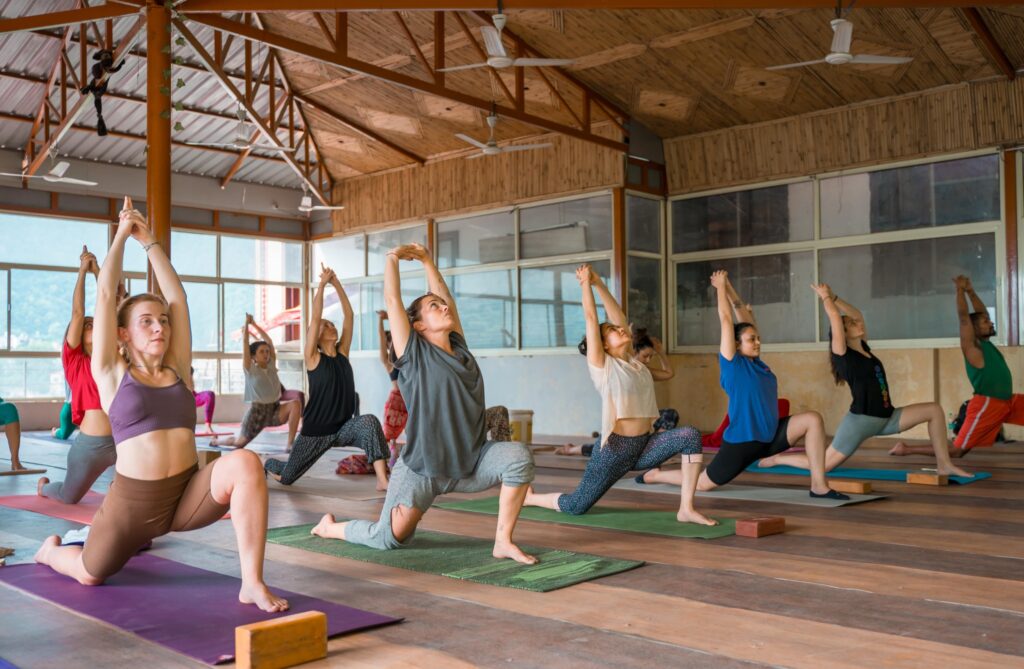
The physical benefits of yoga build slowly, so it helps to know what to expect.
1. Joints That Move More Freely
Stiffness often comes from not using your joints fully. Yoga moves your spine, hips and shoulders forward, back, sideways and by twisting. Over a few weeks, many people find they can bend, reach and turn more easily.
2. Strength Without Heavy Weights
Holding poses uses your own body weight. Your legs work in standing poses. Your arms and shoulders work in poses like plank pose. Your core works in almost everything. This kind of strength supports everyday tasks like climbing stairs or carrying shopping bags.
3. Better Balance
Balance can get weaker as we get older if we do not practice it. Standing on one leg or slowly moving your weight from one foot to the other can help improve balance. Better balance may lower the risk of falls, especially for older adults.
4. Posture and Back Comfort
Long hours at a desk can leave your upper back rounded and your hips tight. Yoga stretches the front of the body and strengthens the back. Research suggests yoga may help reduce some types of long-term lower back pain. It isn’t the right choice for every back problem, though, so get advice from a doctor if your pain is severe.
5. Easier Breathing
Many of us breathe high in the chest without noticing. Yoga teaches slower, fuller breaths that use the belly and ribs. This can make breathing feel less tight during stress or exercise.
The Importance of Yoga for Your Mind and Mood
For many people, the mental side is the one benefit of yoga that keeps them coming back.
1. A Calmer Response to Stress
When you slow your breath, especially when breathing out, your body tends to move out of “alert” mode. Regular practice is associated with lower stress levels and may help with mild anxiety. It is not a replacement for mental health treatment, but it can be a helpful support alongside it.
2. Better Sleep
A gentle evening practice can help your body relax. Studies suggest yoga may improve sleep quality for some people, including those who often sleep poorly.
3. Sharper Focus
In yoga, you keep bringing your attention back to your breath and body. This is simple practice for something you do every day: noticing when your mind has moved away and bringing it back.
4. A Kinder Relationship With Your Body
Yoga asks you to notice how you feel, not how you look. Many of our students say this was the change they didn’t expect. They stop pushing through pain and start listening to their body sooner. It’s a quiet benefit of yoga that rarely makes the lists, but students often tell us it matters most.
What Yoga Can Look Like on a Busy Day
You don’t need to find a free hour. Yoga and daily life can fit together in short times. Here is how people with busy schedules actually do it.
- Morning (5 to 10 minutes): A few rounds of cat-cow, a forward bend, and some side stretches wake up a stiff body. Try it before you check your phone.
- At work (2 to 3 minutes, a few times a day): Roll your shoulders, gently stretch your neck, twist in your chair, and stand up to reach your arms overhead. Take five slow breaths before a meeting.
- Evening (10 to 15 minutes): Choose slower, quieter poses. Child’s pose, a lying twist and a few minutes of rest with your eyes closed work well.
Even one of these practices, done on most days, shows the importance of yoga in day to day life far better than an occasional long class.
A Simple 15-Minute Yoga Routine for Beginners
If you’re new, this short routine covers movement, strength, balance and breathing. Move slowly and stop if anything hurts.
- Easy Seated Breathing (2 minutes): Sit comfortably and breathe in through your nose for a count of 4 and breathe out for a count of 6.
- Cat-Cow (1 minute): Start in a tabletop position with your hands and knees on the floor and gently arch your back as you breathe in and round it as you breathe out
- Child’s Pose (1 minute): Kneel down and sit back on your heels and slowly bend forward, stretch your arms straight in front of you and rest your forehead on the floor
- Downward-Facing Dog (1 minute): Bend forward and place both hands flat on the mat and lift your hips up and back to make an upside-down V shape. Keep your knees slightly bent if your legs feel tight
- Mountain Pose (1 minute): Stand tall with your feet hip width apart, weight even and shoulders relaxed
- Warrior II (1 minute each side): Step your feet wide, turn one foot out, bend that knee over the ankle and stretch your arms out to the sides
- Tree Pose (1 minute each side): Stand on one leg and place the other foot on your ankle, calf or inner thigh, never on the knee and use a wall for support if needed
- Lying Twist (1 minute each side): Lie on your back and drop both knees to one side and turn your head the other way
- Rest (3 minutes): Lie flat, let your body feel heavy and breathe normally, this pose is called savasana
How Often Should You Practice Yoga?
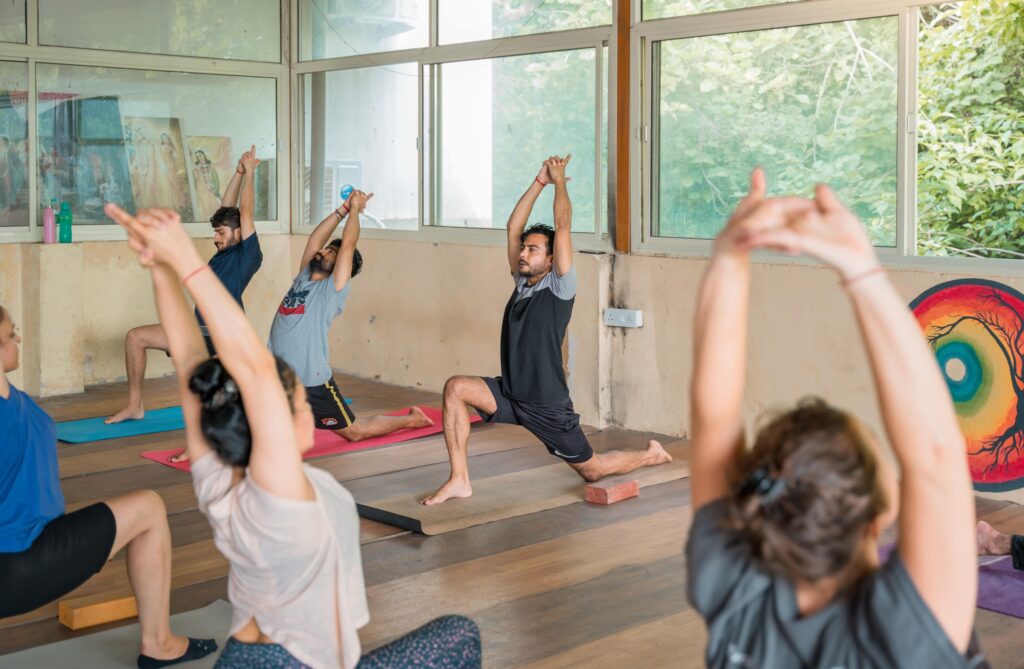
For most beginners, 3 to 5 sessions a week of 15 to 30 minutes is a realistic and useful goal. Daily practice is fine too, as long as it stays gentle and you do different yoga poses.
Consistency matters more than the number of minutes. Four short sessions done over the week usually help more than one long class followed by six days without yoga.
Is a Short Daily Practice Worth It?
Yes. Ten minutes a day adds up to more than an hour a week. It also keeps yoga in our daily life instead of on a “someday” list. Short sessions are easier to stick with than long ones you keep delaying and you can always make them longer later.
How Soon Will You Notice a Difference?
Many people feel calmer or more relaxed after their very first session. Other benefits of yoga, like changes in flexibility, strength and balance, usually take a few weeks of regular practice. Compare yourself only with where you started.
How to Make Yoga a Habit That Lasts
Understanding the importance of yoga is one thing. Practicing it week after week is another. These ideas help:
- Link It To Something You Already Do: Practice right after brushing your teeth or before your evening tea.
- Keep the Goal Tiny: “Five minutes” is easier to start than “thirty minutes.” Once you begin, you’ll often do more.
- Leave Your Mat Out: If it’s rolled up in a cupboard, you’re less likely to use it.
- Pick a Fixed Time: The same slot each day removes the need to think about it.
- Mark It On a Calendar: A simple tick for each day you practice is surprisingly motivating.
- Don’t Give Up After a Missed Day: Missing a day is normal. Just do it the next day.
- Practice With Others Sometimes: A local class or a friend at home keeps you motivated.
Practicing Yoga Safely
Yoga is generally safe for healthy people when practiced gently with good guidance. Still, a few points matter.
Speak with a doctor or qualified healthcare professional before starting and tell your yoga teacher, if you:
- Have a recent injury or surgery
- Have joint problems, osteoporosis or ongoing back or neck pain
- Have high blood pressure, heart problems or glaucoma, since some head-down poses may not suit you
- Are pregnant or have recently given birth
- Live with any long-term health condition
A good rule on the mat: a stretch should feel like mild tightness. It should never feel sharp, pinching or burning. If a pose hurts, come out of it. There is always an easier version.
When Proper Yoga Training Can Help
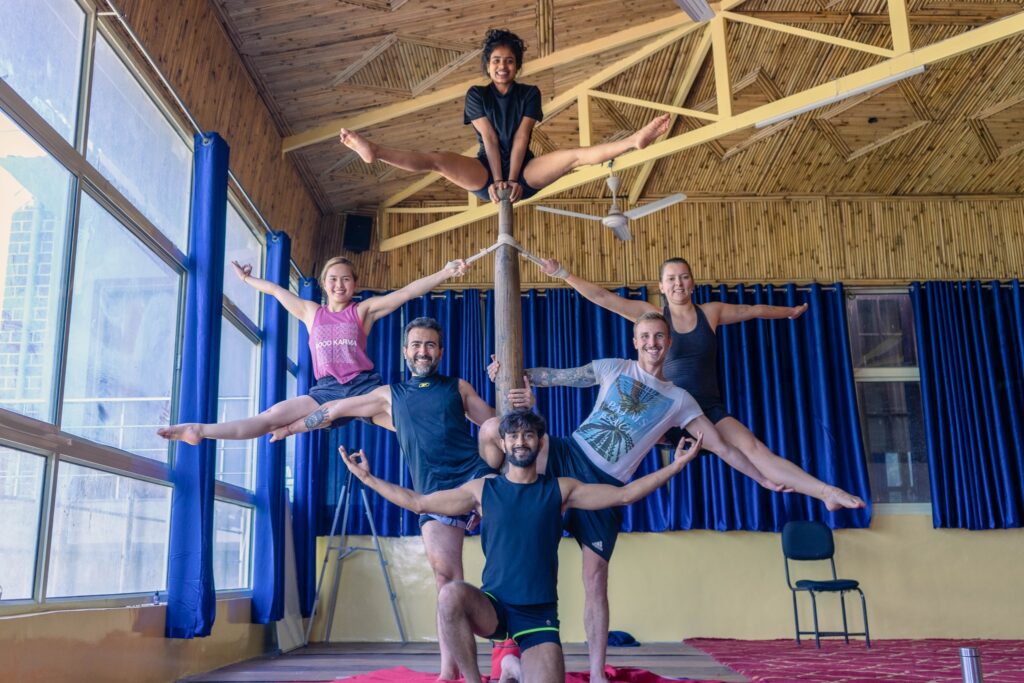
Videos and apps are a fine way to begin. Over time, though, many people want more than copying a screen. A trained teacher can spot alignment problems, adjust poses for your body and explain why each practice matters.
Some people choose structured training. It makes sense if you want to:
- Understand yoga beyond the poses, including breathing, meditation, anatomy and philosophy
- Build a steady personal practice with experienced guidance
- Teach yoga to others with proper knowledge and safety skills
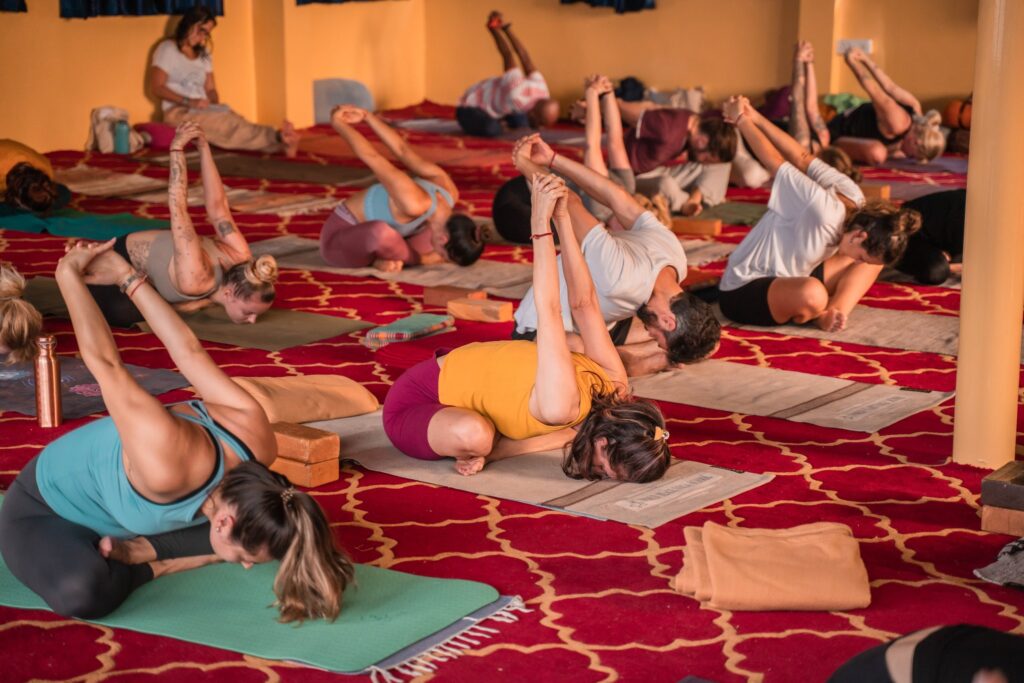
India, and Rishikesh especially, has long been a place where people come to study yoga at its roots. If you’d like to learn in depth, a Yoga Teacher Training in India offers daily practice with qualified teachers and a clear sense of how yoga and daily life connect.
You don’t have to plan on teaching, either. Many students who join our Yoga Teacher Training in India come simply to deepen their own practice.
Final Thoughts on the Importance of Yoga
Yoga importance isn’t measured by perfect poses or long sessions. It comes from showing up for a few minutes, often and paying attention to how your body and mind feel. That is how the importance of yoga in daily life grows: quietly, one short practice at a time. Start with one small session this week, keep it gentle and let it grow at its own pace.
Frequently Asked Questions
How many calories does yoga burn?
It depends on the style, the pace and your body weight. A gentle 30-minute hatha session may burn roughly 120 to 170 calories. Faster styles like power yoga or vinyasa burn more. Yoga’s main value is strength, flexibility and calm rather than calorie burning.
Can yoga help with weight loss?
Yoga can support weight loss as part of a wider routine that includes balanced eating and other activity. Some people also find it helps them notice eating because of stress and make better food choices.
Do I need to be flexible to start yoga?
No. Yoga helps build flexibility; you don’t need it before you start. Bend your knees, use cushions or blocks and work within your current level.
Should I do yoga on an empty stomach?
It’s best to wait about 2 to 3 hours after a heavy meal or around an hour after a light snack. A full stomach can make twists and forward bends uncomfortable.
Which yoga poses may help you sleep better?
Slow, gentle poses work best before bed. Try legs-up-the-wall pose, reclined butterfly (lying on your back with the soles of your feet together and knees falling open) and a supported forward bend with your head resting on a pillow. Pair them with slow breathing and dim lights.
Is yoga a religion?
Yoga comes from ancient Indian traditions and has spiritual roots but you don’t need to follow any religion to practice it. People of all faiths and of none, practice yoga.
Can older adults start yoga?
Yes. Gentle or chair-based yoga often suits older adults and may help with balance and mobility. Start with a beginner-level class and check with a doctor if you have any health conditions.
Is yoga enough exercise on its own?
Yoga covers flexibility, balance and some strength. Health guidelines also recommend around 150 minutes of moderate aerobic activity a week, so adding brisk walking, cycling or swimming gives you a more complete routine.
Can a beginner join a Yoga Teacher Training in India?
Yes, many courses, especially 200 hour programs accept people with a basic, regular practice. Some schools suggest practicing for a few months first. Check each school’s requirements and be open about your health and experience when you apply.
This article is for general information and is not medical advice. If you have a respiratory or heart condition, are pregnant, or are unsure whether these practices suit you, please speak to your doctor before beginning. Yoga poses and breathing exercises should be practiced with proper guidance from a qualified yoga teacher to help ensure safe and correct practice.