




Yogic Lifestyle: How Yoga Teacher Training Changes Your Daily Life
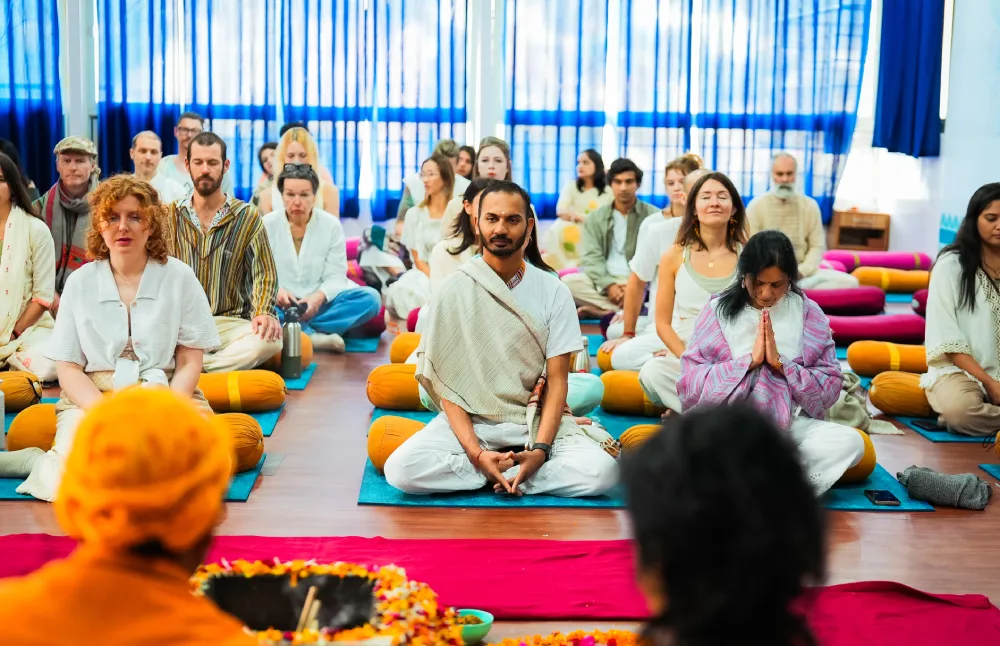
Table of Contents
- What Is a Yogic Lifestyle?
- The Eight Limbs: Where Yoga Starts Off the Mat
- How Yoga Philosophy Shapes Everyday Choices
- What a Day Looks Like During Teacher Training
- Asana, Pranayama and Meditation: The Core Daily Practice
- Food and the Yogic Way of Life
- Living Yoga Off the Mat: Work, Relationships and Daily Tasks
- What Students Usually Keep After Teacher Training
- How to Start Yogic Habits at Home
- Choosing a Training If You Want More Than Poses
- Final Thoughts
- Frequently Asked Questions
- Do I need to be vegetarian to live a yogic life?
- Can I follow a yogic lifestyle without doing teacher training?
- Do I have to teach yoga after completing teacher training?
- Is a yogic lifestyle religious?
- Is teacher training suitable for complete beginners?
- How long does it take for yogic habits to feel natural?
A yogic lifestyle means letting yoga guide your whole day, not only the hour you spend on the mat. It covers how you wake up, eat, breathe, work, speak to people and rest.
For many people, yoga teacher training is the first time they live this way. For a few weeks, the day follows a fixed routine of practice, study, simple meals and early nights. Students often expect to learn poses. What surprises them is how much the routine itself teaches.
This article explains what a yogic lifestyle means in practice, what teacher training teaches beyond asana, which habits students usually keep and how you can start at home without making extreme changes.
What Is a Yogic Lifestyle?
A yogic lifestyle is a way of living based on the ideas and practices of yoga. It includes physical practice, breathing, meditation, simple food, ethical behaviour and regular self-reflection.
In simple terms, it usually includes:
- A regular daily routine with fixed times to wake, practice, eat and sleep
- Daily practice of asana (postures), pranayama (breathing) and meditation
- Simple, fresh, mostly plant-based food eaten with attention
- Living by basic ethical values like honesty and non-harm
- Paying attention to your thoughts, habits and reactions
It does not mean you must leave your job, move to an ashram or become perfect. Traditional yoga describes a slow path. You build habits slowly and adjust them to your life.
The idea of yoga as a way of life is very old. In the Yoga Sutras of Patanjali, one of the main classical texts, physical postures are only one part of a much larger system.
The Eight Limbs: Where Yoga Starts Off the Mat
Patanjali describes yoga as having eight parts, often called the eight limbs. Only one of them is about postures.
- Yama – how you treat others and the world
- Niyama – how you treat yourself
- Asana – physical postures
- Pranayama – control and awareness of the breath
- Pratyahara – drawing the senses inward, not being pulled by every distraction
- Dharana – focusing the mind on one point
- Dhyana – meditation, a steady flow of attention
- Samadhi – a state of deep absorption, described in yogic teachings as the final goal
When you see yoga this way, it becomes clear why teacher training covers far more than poses. Most of these limbs are about attitude, attention and behaviour. These are things you practice all day.
How Yoga Philosophy Shapes Everyday Choices
Yoga Philosophy can seem difficult to understand. In daily life, it becomes very practical. The first two limbs, the yamas and niyamas, are the easiest place to see this.
The yamas (how you relate to others):
- Ahimsa (non-harm): Not being harsh with others or with yourself. On the mat, this means not forcing your body into a pose.
- Satya (truthfulness): Being honest but in a kind way.
- Asteya (non-stealing): Not taking what isn’t yours. This includes other people’s time and credit.
- Brahmacharya (right use of energy): Not wasting your energy on things that drain you.
- Aparigraha (non-greed): Not holding on too tightly. Buying less, owning less, comparing less.
The niyamas (how you relate to yourself):
- Saucha (cleanliness): Keeping your body, space and mind clean and clear.
- Santosha (contentment): Being at peace with what you have, while still working to grow.
- Tapas (discipline): Doing your practice even on days you don’t feel like it.
- Svadhyaya (self-study): Reading yogic texts and honestly looking at your own habits.
- Ishvara Pranidhana (surrender): Doing your best and letting go of control over the result.
During training, these ideas are studied in class but they are tested in small moments. For example, when you feel tired at 5:30 in the morning, or when a pose doesn’t come easily, or when you share a room with someone very different from you. That is where yoga philosophy stops being theory.
What a Day Looks Like During Teacher Training
Most residential courses follow a fixed daily schedule. The exact times change from school to school, but a typical day in a yoga teacher training in India looks something like this:
- Early wake-up – often before sunrise
- Cleansing practices and pranayama – breathing exercises on an empty stomach
- Morning asana class – usually Hatha or Ashtanga style
- Breakfast – simple vegetarian food
- Philosophy class – study of texts like the Yoga Sutras or Bhagavad Gita
- Anatomy and alignment – how the body works in each pose
- Lunch and rest
- Teaching practice – learning to guide others
- Evening asana class
- Meditation or chanting
- Dinner and early sleep
The routine matters because it removes daily decisions. You don’t have to choose when to practice or what to eat. After a few weeks, your body starts to expect this rhythm. Many students say this is when they first understand how much structure supports practice.
Asana, Pranayama and Meditation: The Core Daily Practice
These three practices form the base of daily life during training. Each one supports the others.
Asana builds strength, flexibility and body awareness. In training, you practice slowly enough to notice how you move, where you hold tension and how you breathe in each pose. This awareness often carries into how you sit at a desk or stand in a queue.
Pranayama means working with the breath. Traditional texts see the breath as a link between the body and mind. In practice, students learn simple techniques like slow belly breathing or alternate nostril breathing. Many find these useful later when they feel stressed or scattered, because the breath is always with you.
Meditation trains attention. At first, most students find it hard to sit still for even ten minutes. The mind jumps around and that is normal. With daily practice, it usually becomes easier to notice your thoughts without following every one of them.
Doing all three every day, for several weeks, is often what makes the practice feel like part of you rather than a class you attend.

Food and the Yogic Way of Life
Food is a big part of the yogic way of life. Traditional yogic and Ayurvedic teachings describe food by its effect on the body and mind.
- Sattvic food is fresh, light and simple. Examples: fruits, vegetables, whole grains, lentils, nuts and dairy in many traditions. It is believed to support a calm, clear mind.
- Rajasic food is very spicy, salty or stimulating, like strong coffee. It is believed to make the mind restless.
- Tamasic food is not fresh, heavily processed or very heavy. It is believed to make you feel dull and sleepy.
These are traditional categories, not scientific ones but the practical advice behind them is easy to follow. Many ashrams in India serve sattvic vegetarian meals. At Samadhi Yoga Ashram in Rishikesh, for example, meals are fully vegetarian and cooked without onion or garlic.
More useful than any food list is the way you eat. Simple habits students often learn:
- Eat at regular times
- Eat without your phone or screen
- Stop before you feel completely full
- Leave a gap between your last meal and sleep
- Leave a few hours between eating and asana practice
You don’t need a strict diet to follow this. Start with how you eat, then look at what you eat.
Living Yoga Off the Mat: Work, Relationships and Daily Tasks
The real test of yoga is not how well you do a pose. It is how you behave when you are busy, tired or upset.
Yogic teachings offer a few simple tools for this:
- Karma Yoga (selfless action): This means doing your work well without being too attached to praise or reward. In many ashrams, students help with small tasks like cleaning or serving food. At home, it can mean doing your job with full attention, even the boring parts.
- Pausing Before Reacting: Pranayama teaches you to notice the breath. Before you reply to an angry email or a hurtful comment, take three slow breaths. It sounds small but it often changes what you say.
- Listening Fully: Meditation trains attention. You can use the same skill in conversation by listening to someone without planning your reply.
- Honest But Kind Speech: This comes straight from satya and ahimsa together. Say what is true but choose words that don’t hurt others unnecessarily.
- Less Comparison: Practicing next to others in a group class, you see that everybody is different. Many students find this helps them compare themselves less in other parts of life too.
What Students Usually Keep After Teacher Training
It is important to be honest here. Most people do not keep the full ashram routine once they go home. Work, family and daily life can make a two-hour practice at 5 a.m. hard to maintain.
What students more often continue is a smaller version of the yogic life they lived during training:
- A short morning practice of 20 to 45 minutes
- A few minutes of pranayama or meditation each day
- More attention to food and eating habits
- Going to bed earlier than before
- Reading yogic texts from time to time
- Noticing their reactions more often
Some things usually fade and that is fine. The aim is not to copy the ashram schedule forever. The aim is to keep what works and let it grow at its own pace.
A helpful mindset: the training shows you what is possible. Daily life is where you decide what to keep.
How to Start Yogic Habits at Home
You don’t need to do teacher training to begin. Here is a simple, step-by-step way to start without big changes:
- Fix One Time Each Day For Practice: Morning is traditional but any regular time works. Consistency matters more than length.
- Start With 10 to 15 Minutes: A few gentle poses, five minutes of slow breathing and spend a few minutes in quiet meditation.
- Add One Breathing Technique: Try slow, even breathing through the nose. Keep it gentle.
- Change One Eating Habit: For example, eat dinner without a screen.
- Pick One Yama or Niyama For the Week: Try practicing contentment or truthfulness in small, specific ways.
- Sleep and Wake at Regular Times: This supports everything else.
- Read a Little: A few lines from the Yoga Sutras or Bhagavad Gita with a simple commentary is a good start.
- Increase Slowly: Add more only when the current habit feels easy.
If you have a health condition, talk to your doctor before starting a new physical or breathing practice. Yoga can support well-being but it does not replace medical care.
Choosing a Training If You Want More Than Poses
If your goal is to understand yoga as a way of life, look at more than the asana schedule when choosing a course. Some things to check:
- How many hours are given to Yoga Philosophy, not just anatomy and poses
- Whether meditation and pranayama are practiced daily
- Whether the course is residential, with a fixed daily routine
- The background and training of the teachers
- Whether it is registered with a body like Yoga Alliance, if you plan to teach
Many people choose a Yoga Teacher Training in India because the practice started there. Places like Rishikesh have a long history of ashram life and daily yoga practice. If you are new, a 200 hour yoga teacher training in Rishikesh is the usual starting point. A shorter 100-hour course can be a good first step if you want to try the routine before committing to a longer program.

Final Thoughts
A yogic lifestyle is built in small, repeated actions, not big promises. Teacher training can give you a strong start because it lets you live the practice every day for several weeks but the real work begins when you return home.
Pick one or two habits that felt right, like a short morning practice or a few minutes of quiet breathing and keep them going. Over time, the yogic teachings you study on the mat start to show up in how you eat, work and treat people. That is what yoga as a way of life looks like in practice.
Frequently Asked Questions
Do I need to be vegetarian to live a yogic life?
Traditional yogic teachings recommend a vegetarian diet, mainly because of the principle of non-harm but many practitioners move toward it slowly or adapt it to their health needs. Most ashrams serve vegetarian food during training, so you will experience it there.
Can I follow a yogic lifestyle without doing teacher training?
Yes. Daily practice, simple food, a steady routine and self-reflection are open to anyone. Teacher training mainly offers a focused period of immersion and guidance. It is helpful but not required.
Do I have to teach yoga after completing teacher training?
No. Many students join only to deepen their own practice and understanding. The certificate gives you the option to teach but there is no obligation.
Is a yogic lifestyle religious?
Yoga comes from Indian spiritual traditions and some practices include chanting or prayer but the core habits, such as daily practice, ethical living, breathing and meditation, can be followed by people of any religion or none.
Is teacher training suitable for complete beginners?
Many 200-hour courses accept beginners, though some basic practice beforehand makes the first weeks easier. The daily schedule is demanding, so it helps to start a regular practice at home a few months before you go.
How long does it take for yogic habits to feel natural?
It is different for everyone. Small habits, like a short morning practice, can start to feel normal within a few weeks of regular effort. Deeper changes in attitude and awareness are seen in yoga as lifelong work.
This article is for general information and is not medical advice. If you have a respiratory or heart condition, are pregnant, or are unsure whether these practices suit you, please speak to your doctor before beginning. Yoga poses and breathing exercises should be practiced with proper guidance from a qualified yoga teacher to help ensure safe and correct practice.