




Why Get a Yoga Teacher Certification? Benefits, Skills and What to Expect

Table of Contents
- What Is Yoga Teacher Certification?
- Why Get Yoga Teacher Certification? 7 Practical Reasons
- 1. Build a Strong Foundation in Yoga
- 2. Learn Yoga Philosophy and Where It Comes From
- 3. Understand the Body and Practise More Safely
- 4. Learn How to Teach, Not Just How to Practise
- 5. Get Real Teaching Practice With Feedback
- 6. Deepen Your Own Yoga Practice
- 7. Build Confidence and Create the Option to Teach
- Do You Need to Plan to Teach Yoga?
- What to Check Before Enrolling
- What Can You Do After Yoga Teacher Certification?
- Final Takeaway
- Frequently Asked Questions
- Do I need to be very flexible before taking a yoga certification course?
- Can I join a yoga teacher certification course as a beginner?
- Does finishing a yoga teacher training automatically make me a certified yoga teacher?
- Is a yoga certificate course enough to teach anywhere in the world?
- Can I get certified now and start teaching later?
- How long does it take to feel ready to teach?
People choose a yoga teacher certification for many reasons. Some want to teach. Many simply want to understand yoga properly, with a clear structure and experienced teachers to guide them.
A good certification course gives you a clear way to study yoga. You learn how the practice works, why it is done in a certain way and how to share it with other people safely. You also get the chance to teach under supervision, which is hard to find anywhere else.
This article explains what you can gain from certification, what it does and does not mean and what to think about before you sign up.
What Is Yoga Teacher Certification?
Yoga teacher certification is a structured training that teaches you how to practise and teach yoga. When you complete the training and pass its assessment, you usually receive a certificate from the school. Some people then register with an outside organisation or apply for a separate professional certification.
This is very different from going to regular yoga classes. In a class, you follow a teacher. In a certification course, you learn why the teacher makes certain choices. You study the practice, the theory and the skill of teaching.
A course certificate and professional certification are not always the same.
This point confuses many people, so it helps to be clear:
- A course certificate is given by the school when you finish its training.
- Yoga Alliance registration is separate. Yoga Alliance is a membership organisation that keeps a registry of schools and teachers. Graduates of registered schools can choose to register with it. It is not a government licence.
- Government or official certification systems may have their own rules and exams. In India, the Yoga Certification Board works under the Ministry of Ayush. It certifies yoga professionals at different levels, including Yoga Protocol Instructor, Yoga Wellness Instructor and Yoga Teacher & Evaluator. Its certification is voluntary and has its own assessment process.
These are three different things. Finishing a course does not automatically give you the others. Also, rules about who can teach yoga, and where, can vary by country, employer and organisation. If you plan to teach in a specific place, check the local rules.
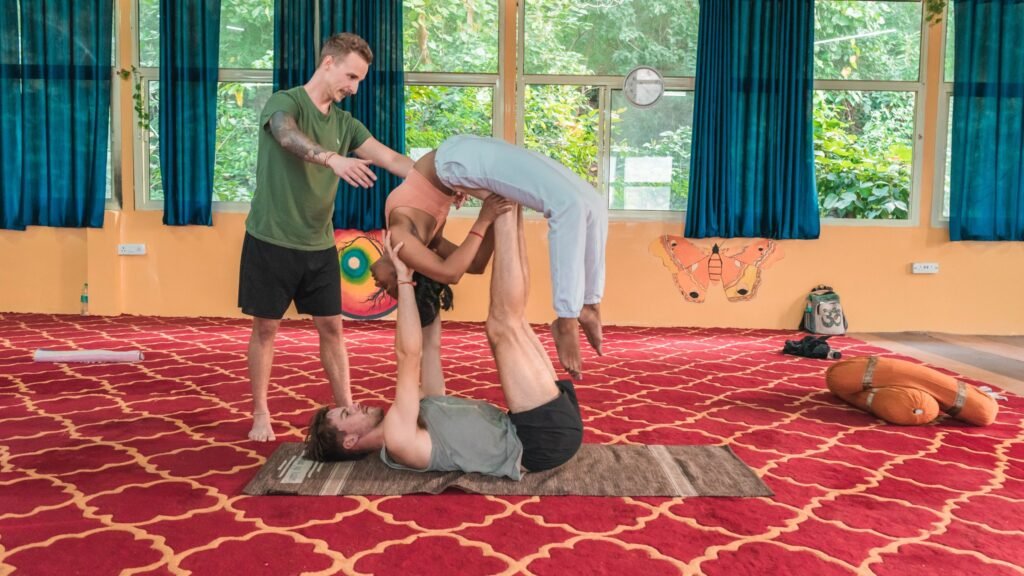
Why Get Yoga Teacher Certification? 7 Practical Reasons
1. Build a Strong Foundation in Yoga
Many people learn yoga in pieces. A video here, a class there, a workshop once a year. Over time, this can leave gaps.
A certification course fills those gaps. You study the main parts of yoga in order: postures, breathing practices, relaxation and meditation. You learn how these parts connect to each other.
Most importantly, you move beyond the physical poses. You learn that yoga includes breath, focus, rest and the way you live day to day. This gives you a base you can keep building on for years.
2. Learn Yoga Philosophy and Where It Comes From
Yoga has a long history. Its ideas come from old texts and teachers, such as Patanjali’s Yoga Sutras and the Hatha Yoga Pradipika.
In a good yoga certification course, you read and discuss these ideas. You learn about the eight limbs of yoga, the ethical guidelines behind the practice and how the tradition has changed over time.
This matters for two reasons. First, it helps you understand what you are practising. Second, it helps you teach with respect for where yoga comes from, instead of treating it as only exercise.
3. Understand the Body and Practise More Safely
Everybody is different. A pose that feels easy for one person may strain another.
Certification usually includes basic anatomy. You learn how bones, muscles and joints move and why some poses need extra care. You also learn how to spot common mistakes and how to offer simpler versions of a pose.
This helps your own practice. It helps even more if you teach, because you become responsible for other people’s bodies, not just your own.
A training course will not make you a doctor or physiotherapist but it will help you know your limits and when to suggest that a student get medical advice.
4. Learn How to Teach, Not Just How to Practise
Doing a pose well and teaching it well are two different skills.
When you teach, you need to:
- Explain a pose clearly in simple words
- Show it in a way everyone can see
- Watch many students at once
- Change the plan when a student is struggling
- Build a class that flows well from start to finish
- Keep time and manage the room
These skills rarely come from practice alone. A certification course teaches them step by step. You learn how to plan a class, how to give clear instructions and how to speak to beginners and experienced students differently.
5. Get Real Teaching Practice With Feedback
This is one of the biggest reasons to get certified.
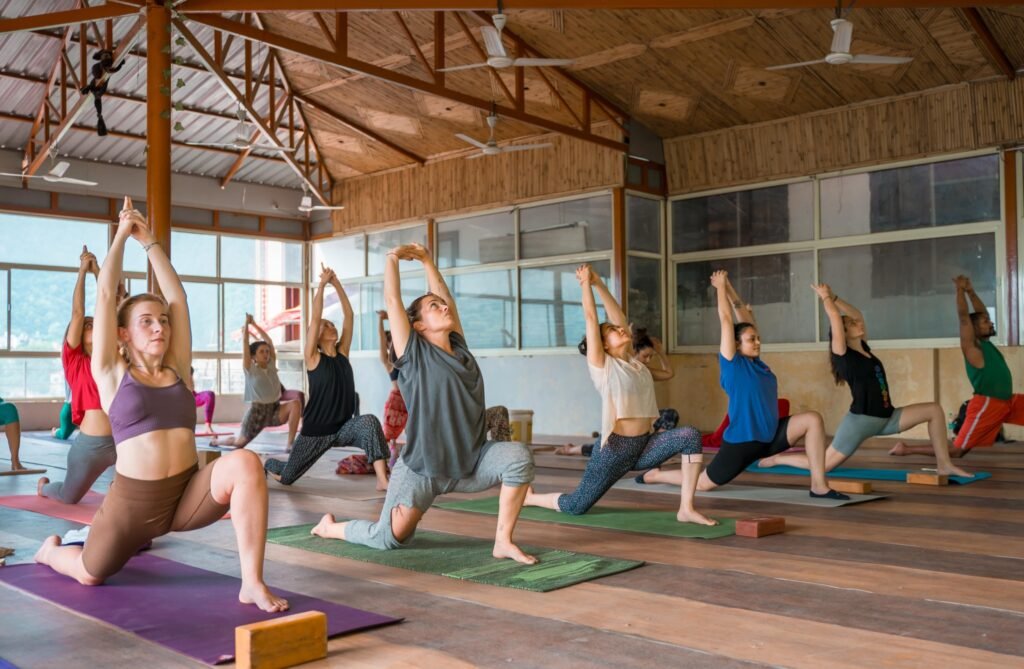
In many certification courses, you teach your fellow students and sometimes small groups, while your trainers watch. Afterwards, they tell you what worked and what did not. Your classmates may give feedback too.
This kind of practice is hard to get on your own. It gives you a safe place to make mistakes. Maybe your instructions were unclear. Maybe you rushed the breathing. You find out, fix it and try again.
By the end, teaching feels less strange. You have already stood in front of a group and guided them.
6. Deepen Your Own Yoga Practice
Many students say their own practice changes the most during training.
When you practise every day for several weeks, with teachers correcting you, you start to notice small things. You feel how breath affects movement. You understand why a pose is done a certain way. You may also find that meditation and breathing practices become easier to sit with.
For some people, this is the main reason they join. They have no plan to teach. They simply want to go deeper. If this is you, you may also find our guide on how to deepen your yoga practice useful.
7. Build Confidence and Create the Option to Teach
Confidence in teaching does not come from reading. It comes from knowing what you teach and getting practice teaching others.
A yoga teacher certification gives you both. You know what you are teaching and why. You have practised teaching many times. This makes it easier to take the next step, whether that is teaching friends, leading a community class or applying at a studio.
A certificate does not guarantee work. Studios and employers often look at your training, your teaching skills and your experience. Some may ask for a specific registration or certification. Certification can give you the training and qualification needed to apply for some teaching opportunities, depending on the requirements of the studio, employer or location.
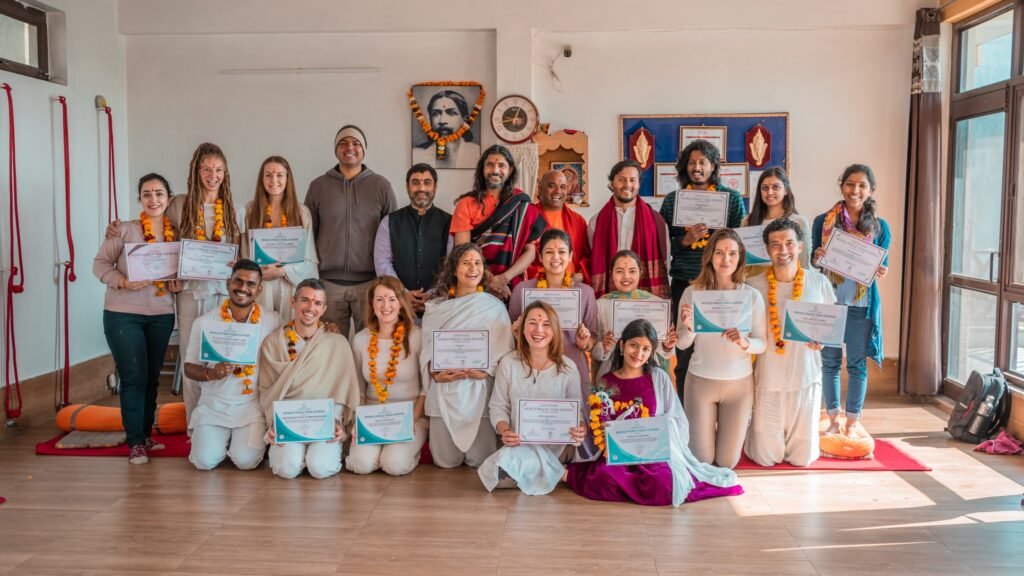
Do You Need to Plan to Teach Yoga?
No. Many people complete a certification course with no clear plan to teach.
Some join to study yoga properly. Some want a break from daily life to focus on practice. Others are not sure yet and want to find out if teaching suits them.
All of these are fair reasons. The training is useful either way, because the same things that make a good teacher, such as clear understanding, steady practice and care for the body, also make a better student.
That said, be honest with yourself. If you only want to improve your poses, a shorter course or regular classes with a good teacher may be enough. A full certification asks for a lot of time, money and effort. It makes most sense when you want depth, structure or the option to teach later.
What to Check Before Enrolling
You do not need a long checklist but a few simple checks can save you from a poor experience:
- Course Structure: Is there a clear daily schedule and a list of subjects?
- Teachers: Who will train you and what is their training and teaching experience?
- Teaching Practice: Will you actually teach during the course, with feedback?
- Assessment: How will your learning be tested before you get the certificate?
- Certificate Type: What exactly will you receive? Is the school registered with any organisation and does that matter for your plans?
- What Is Included: Check what the fee covers, such as books, meals or stay.
- Past Student Reviews: Read reviews from different sources, not just the school’s website.
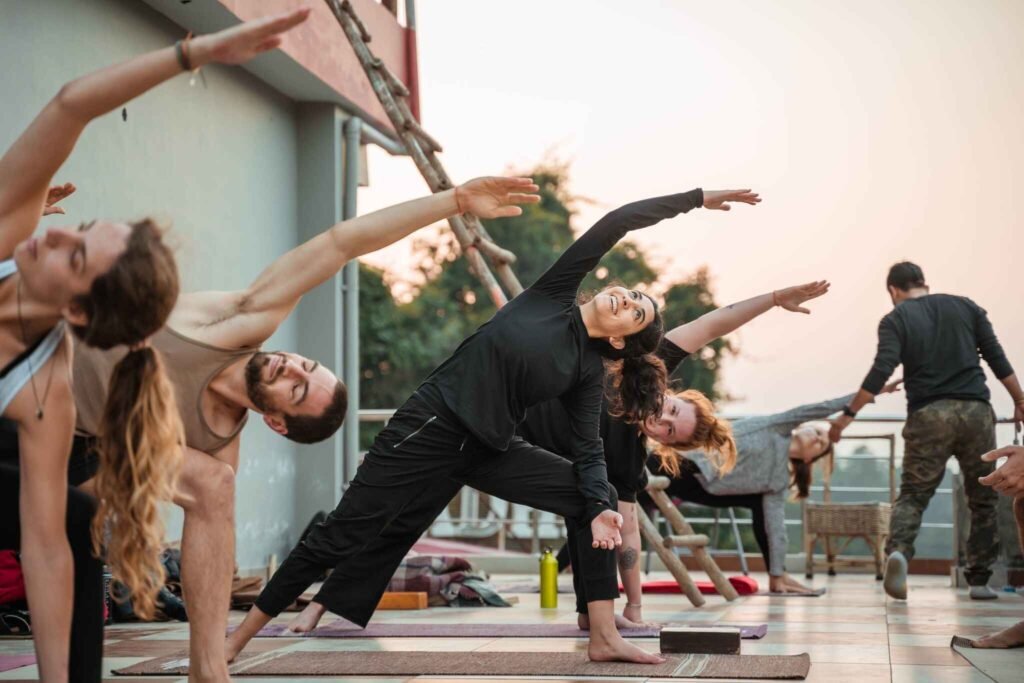
What Can You Do After Yoga Teacher Certification?
What happens next depends on you. Common paths include:
If you are considering formal training in India, Yoga Teacher Training in India can provide a structured setting to study yoga and develop your teaching skills.
- Teaching Yoga: Some graduates teach at studios, gyms, workplaces or community centres. Others teach private sessions or online. How easy this is depends on your location, experience and local requirements.
- Continuing Your Study: Many teachers go on to advanced training after their first course. Your first certification is usually a starting point, not the end.
- Specialised Training: You may later study areas such as prenatal yoga, meditation, yoga for older people or other styles.
- Workshops and Retreats: Some teachers run short workshops once they have more experience.
- Personal Practice: Many people never teach. They keep using what they learned in their own daily life and that is enough.
If you decide you want more structured training, Yoga Teacher Training in India is one option to explore, especially if you want to study yoga and develop your teaching skills in a focused setting.
Final Takeaway
A yoga teacher certification gives you structure, depth and real teaching practice. It helps you understand yoga beyond the poses, practise more safely and share yoga with others in a clear way.
It is not a guarantee of work and it is not the same as a licence to teach everywhere. For someone who wants structured study, deeper knowledge or the option to teach, certification can be a useful next step.
Take your time, check the details and choose a course that matches your real reason for going.
Read More: Online Yoga Teacher Training: What to Know Before You Enroll
Frequently Asked Questions
Do I need to be very flexible before taking a yoga certification course?
No. Flexibility is not a requirement for most courses. What helps more is a regular practice and a willingness to learn. Your flexibility and strength usually improve during training. Teachers also need to understand stiff bodies, so your own limits can actually help you teach others.
Can I join a yoga teacher certification course as a beginner?
Many schools accept students with little experience but it helps to have practised regularly for some months first. This makes the daily schedule easier and helps you follow the teaching. Check the school’s entry requirements before you apply.
Does finishing a yoga teacher training automatically make me a certified yoga teacher?
It depends on what “certified” means in your situation. You will usually get a course certificate from the school. Registering with Yoga Alliance or getting a government-linked certification, such as one from India’s Yoga Certification Board, are separate steps with their own rules.
Is a yoga certificate course enough to teach anywhere in the world?
No single certificate is accepted everywhere. Some studios ask for a specific registration. Some countries or employers may have their own rules or exams. Always check the requirements where you plan to teach.
Can I get certified now and start teaching later?
Yes. Many people wait before they teach. If you do, keep practising regularly and consider teaching small groups or friends from time to time so your skills stay fresh. If you registered with an organisation, check whether it has renewal or continuing education rules.
How long does it take to feel ready to teach?
This varies from person to person. Some graduates start teaching soon after their course. Others take months of extra practice first. Teaching regularly, even to small groups, is usually the fastest way to grow.
This article is for general information and is not medical advice. If you have a respiratory or heart condition, are pregnant, or are unsure whether these practices suit you, please speak to your doctor before beginning. Yoga poses and breathing exercises should be practiced with proper guidance from a qualified yoga teacher to help ensure safe and correct practice.