





Kundalini Yoga Guide: Meaning, Energy and Benefits
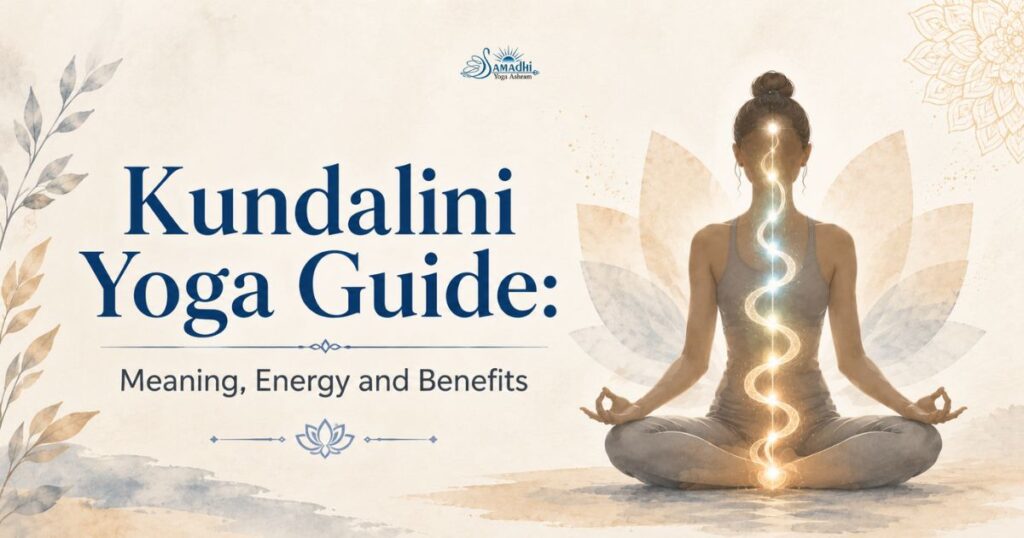
Table of Contents
- What Is Kundalini? What Does Kundalini Mean?
- What Is Kundalini Energy?
- What Is Kundalini Yoga?
- Kundalini Yoga and Meditation: How They Work Together
- How Kundalini Yoga Works: Breath, Movement, and Sound
- Benefits of Kundalini Yoga
- What Happens in a Beginner Kundalini Yoga Class
- How to Learn Kundalini Yoga at Home
- Simple Kundalini Yoga Exercises to Practice Daily
- Building a Daily Yoga Practice
- Common Mistakes Beginners Should Avoid
- Final Thoughts
- Frequently Asked Questions
- Is Kundalini Yoga suitable for complete beginners?
- How is Kundalini Yoga different from Hatha Yoga?
- Can Kundalini Yoga be practiced every day?
- What equipment is needed to start Kundalini Yoga at home?
- Is Kundalini Yoga safe for people with anxiety?
- How long does it take to see benefits from Kundalini Yoga?
- What is a kriya in Kundalini Yoga?
- Is chanting or mantra required in Kundalini Yoga?
- What should someone eat before a Kundalini Yoga session?
- Can Kundalini Yoga help with better sleep?
More people are asking questions like “what is Kundalini” and “what is Kundalini yoga” than ever before. Wellness routines are moving away from workouts that only train the body. People now want practices that also calm the mind. That is one big reason Kundalini yoga keeps showing up in podcasts, yoga forums, and social media.
At first glance, it looks different from a normal yoga class. There is chanting. There is fast breathing. There are repeated arm movements instead of long, held stretches. This can feel confusing before it feels helpful.
The good news is that Kundalini yoga is not just for advanced students. It is built from short, repeatable steps that mix breath, sound, and movement. Most beginners can learn the basics in a single class.
This guide is a simple Kundalini yoga guide for beginners. It covers what Kundalini means, what Kundalini energy is, how Kundalini yoga and meditation work together, and how to learn Kundalini yoga at home. It stays practical.
What Is Kundalini? What Does Kundalini Mean?
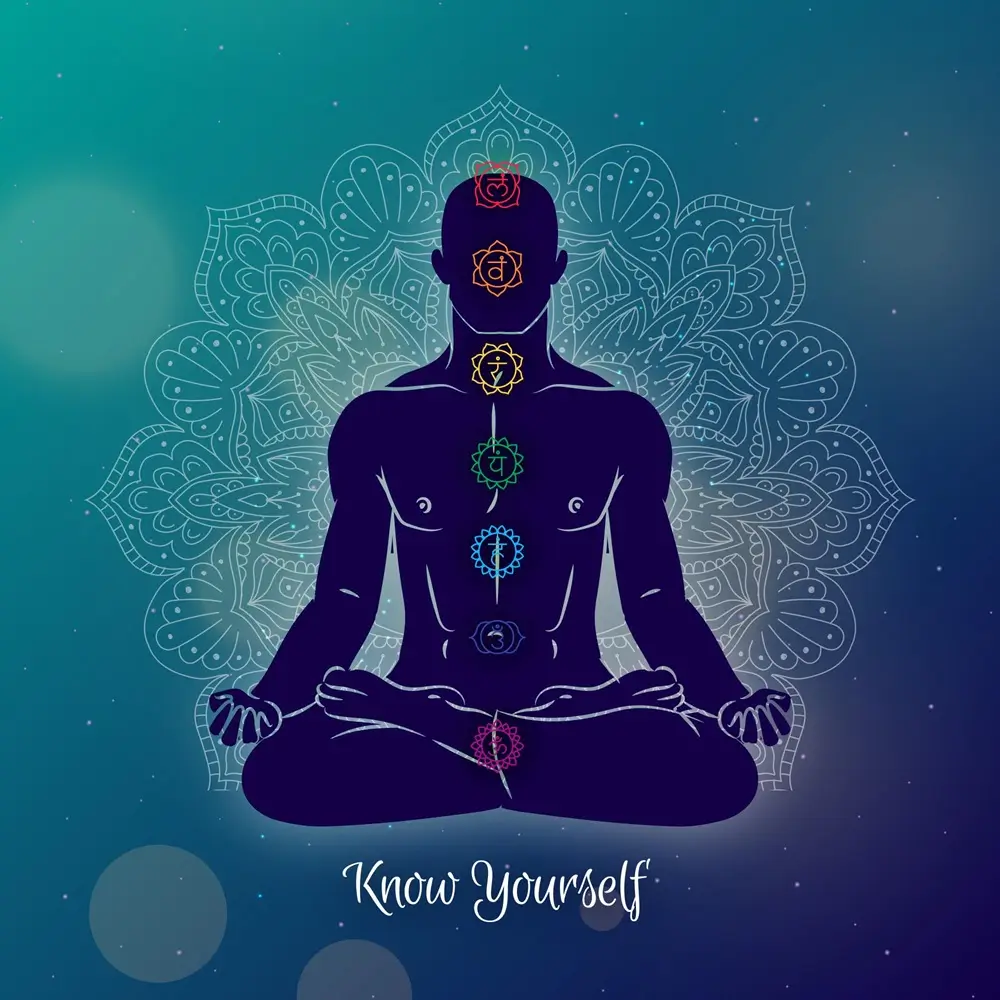
Kundalini is a Sanskrit word. It usually means “coiled,” like a coiled snake resting at the base of the spine. This image is symbolic. It is not a real object in the body. It stands for stored, unused energy.
Kundalini is not a religion. It is an idea from old yogic traditions. It describes a kind of hidden inner energy connected to breath and awareness.
Once this meaning is clear, the idea behind Kundalini yoga makes a lot more sense.
What Is Kundalini Energy?
Kundalini energy is described as a dormant (sleeping) life force. In Indian philosophy, this is close to what is called prana. It is linked to the nervous system and mental focus.
That may sound abstract, but in daily practice it is simple. Think of Kundalini energy as untapped inner capacity. It responds to how a person breathes and moves.
Kundalini yoga uses fast breathing, held postures, and chanting because these are believed to:
- Wake up this stored energy
- Help it move more freely through the body
- Support steadier moods and better focus
- Build physical stamina over time
None of this needs any special belief. It works more like training the body’s stress response through repetition.
What Is Kundalini Yoga?
Kundalini yoga mixes:
- Physical postures
- Controlled breathing
- Hand gestures called mudras
- Chanting
- Meditation
These are combined into fixed sequences called kriyas. Each kriya has a clear goal. Some help digestion. Some calm anxiety. Some build core strength or clear mental fog.
Most other yoga styles focus mainly on stretching. Kundalini yoga treats breath and mental focus as just as important as the body. A typical class includes:
- A short warm-up for the spine
- The main kriya
- A period of stillness or meditation
- A closing relaxation, usually lying flat on the back
Because each kriya has a clear start and end, many beginners find it easier to follow than expected, even with no yoga background at all.
Kundalini Yoga and Meditation: How They Work Together
Kundalini yoga and meditation are not separate steps. Meditation is built into the class itself.
A typical session may include:
- A few minutes of mantra chanting
- A period of stillness
- Focused breath awareness
Mantra is common in Kundalini meditation. A mantra is a sound or phrase, spoken aloud or repeated silently. One well-known mantra is “Sat Nam,” which means “truth is my identity.”
Repeating a mantra gives the mind one thing to focus on. This makes meditation easier for people who find total silence hard to sit with.
This is one reason Kundalini yoga is often suggested to people who have struggled with regular seated meditation. The body stays active long enough to calm down before real stillness begins.
How Kundalini Yoga Works: Breath, Movement, and Sound
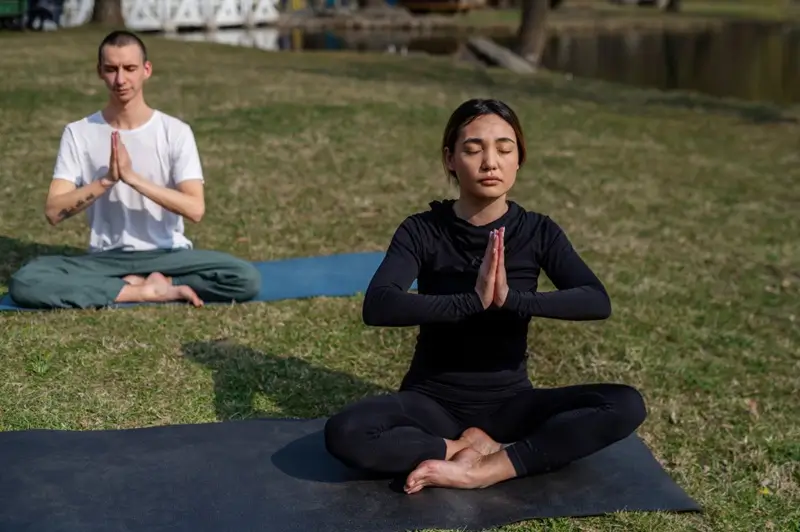
Almost every Kundalini yoga class rests on three parts.
1. Breathing Techniques (pranayama)
Breath is the main tool used to shift energy and mood. Common techniques include:
- Long deep breathing
- Breath of fire (a fast, rhythmic breath)
- Alternate nostril breathing
These yoga breathing exercises calm the nervous system, raise oxygen flow, and sharpen focus, often within minutes.
2. Movement
Postures are often repeated in sets, not just held still. This builds stamina and works the muscles in a different way than static poses.
3. Sound and Mantra
Chanting helps control breathing rhythm and keeps the mind focused. Even without knowing the meaning of the words, the sound and repetition alone tend to feel calming.
These three parts together form a kriya. This is the basic building block of any Kundalini yoga guide.
Benefits of Kundalini Yoga
The benefits of Kundalini yoga cover the body, mind, and emotions.
- Stress Relief: The breathing patterns turn on the body’s natural relaxation response. This makes it a real option for yoga for stress relief, not just a buzzword.
- Mental Clarity: Mixing breath with repeated movement gives the mind one clear task. This quiets mental noise.
- Emotional Balance: Controlled breathing helps stop stress reactions before they build up.
- Physical Strength: Repeated movement sets build core strength and spinal flexibility without high-impact exercise.
- Better Sleep: Evening kriyas built around slow breathing help the body relax before bed.
- Stronger Stress Recovery: Regular breathwork trains the nervous system to bounce back faster, which supports yoga for mental health.
These benefits build slowly. One class can bring short-term calm. Long-term changes need regular practice.
What Happens in a Beginner Kundalini Yoga Class
A first class is usually slower than people expect. Instructors explain each breathing technique before asking students to try it. Modifications are offered for anyone with back, neck, or knee issues.
A typical first class follows these steps:
- A short explanation of that day’s kriya
- A brief spinal warm-up
- The kriya itself, broken into smaller sets with rest breaks
- A few minutes of guided meditation
- A closing relaxation period
Feeling tired or emotionally lighter afterwards is normal. Drinking water beforehand and skipping a heavy meal makes the breathing work easier on the body.
How to Learn Kundalini Yoga at Home
Many people want to learn Kundalini yoga at home before joining in-person classes. This is possible with the right steps.
- Start With Breath, Not Posture: Practice five minutes of long deep breathing daily before trying full kriyas.
- Use Short, Guided Sequences: Beginner kriyas are usually three to eleven minutes long. Short sequences are easier to follow safely without a teacher present.
- Keep the Same Time and Space: Practicing in the same quiet spot at the same time each day helps the body settle into the routine faster.
- Watch How the Body Reacts: Breath of fire can feel intense at first. Slow down or stop if dizziness shows up.
- Add Mantra Slowly: Chanting can feel new at first. Whispering or silently repeating the mantra makes it easier to start.
People who want extra guidance often prefer in-person instruction. A teacher can correct breathing and posture in ways a video cannot. Some practitioners later choose deeper study, such as the 200 Hour Kundalini Yoga Teacher Training in Rishikesh, which is a common next step for those who want a more detailed and structured understanding of Kundalini yoga.
Simple Kundalini Yoga Exercises to Practice Daily
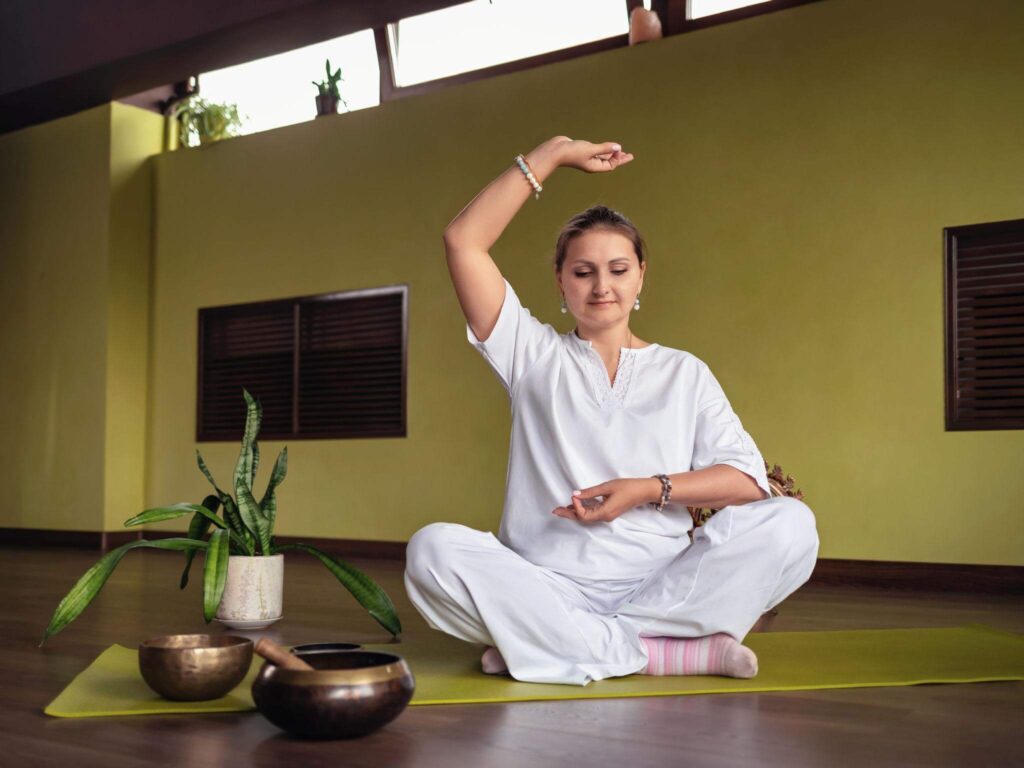
These beginner exercises are a good starting point:
- Spinal Flex: Sit cross-legged. Inhale while arching the spine forward. Exhale while rounding it back. This warms up the spine and improves posture.
- Alternate Nostril Breathing: A calming pranayama technique that balances the nervous system. Good before sleep or during stress.
- Shoulder Shrugs With Breath: Inhale while lifting the shoulders up. Exhale while dropping them down. This releases tension in the upper body.
- Sat Kriya: A core Kundalini yoga exercise. It pairs the “Sat Nam” mantra with a gentle pumping motion. Builds core strength and focus.
These exercises take five to ten minutes. That makes a daily yoga practice realistic, even on busy days.
Building a Daily Yoga Practice
Consistency matters more than length. A ten-minute morning yoga routine done daily works better than an occasional ninety-minute class.
A simple daily structure looks like this:
- Two minutes of breath awareness
- Five minutes of a chosen kriya or exercise
- Two minutes of stillness
Over a few weeks, this short daily yoga practice adds up. It builds real, noticeable change in stress response, posture, and focus.
Common Mistakes Beginners Should Avoid
- Rushing Through Breathing Techniques: This often causes dizziness instead of calm.
- Skipping the Closing Relaxation: This cuts out much of the nervous-system benefit.
- Comparing Progress to Others in Class: This adds pressure to a practice meant to be personal.
- Practicing on a Full Stomach: This can make breathing techniques uncomfortable. Leave a gap after eating.
Patience matters more than intensity. Slow, steady practice works better than occasional intense sessions.
Final Thoughts
Kundalini yoga is a practical way to work with breath, movement, and focus. It does not need flexibility, past experience, or long class commitments to begin. What it needs is consistency. A few minutes of daily breathing practice will do more than one long session now and then.
For anyone still learning about Kundalini yoga, understanding what Kundalini means, what Kundalini energy is, and how Kundalini meditation works is a strong first step. Places like Samadhi Yoga Ashram continue to teach these methods to beginners and to those who want to go deeper through structured learning. Starting small, staying consistent, and paying attention to how the body feels is the most reliable way forward.
Frequently Asked Questions
Is Kundalini Yoga suitable for complete beginners?
Yes, Kundalini yoga is beginner-friendly. Each kriya has clear steps and modifications built in, so no past yoga experience is needed. Beginners should start with short sequences, focus on correct breathing over speed, and slowly build up session length as comfort grows.
How is Kundalini Yoga different from Hatha Yoga?
Hatha yoga focuses on holding physical postures for longer periods with attention to alignment. Kundalini yoga focuses more on breath, repeated movement, chanting, and meditation inside fixed kriyas. Both offer physical benefits, but Kundalini yoga builds breathwork and mantra into every session.
Can Kundalini Yoga be practiced every day?
Yes. Short sessions of ten to twenty minutes a day are considered safe for most healthy adults. Daily practice matters more than long, occasional sessions. Beginners should slow down or rest if they feel tired or lightheaded.
What equipment is needed to start Kundalini Yoga at home?
Very little is needed. A yoga mat, comfortable loose clothing, and a quiet space are enough to begin. Some people use a small cushion for seated meditation. No special gear is required to start basic breathing techniques and beginner kriyas.
Is Kundalini Yoga safe for people with anxiety?
Yes, for most people. Kundalini yoga’s breathing techniques turn on the body’s natural relaxation response, which can help with anxiety. Fast techniques like breath of fire should be added slowly. Anyone with a diagnosed anxiety condition should check with a doctor first.
How long does it take to see benefits from Kundalini Yoga?
Some benefits, like less tension or a calmer mind, can appear after one session. Deeper benefits, like better sleep and steadier emotions, usually take a few weeks of regular practice, generally three to five sessions a week.
What is a kriya in Kundalini Yoga?
A kriya is a fixed sequence of postures, breathing, and sometimes mantra, built around one goal, such as digestion, focus, or stress relief. Its clear structure makes it easier for beginners to follow and track progress over time.
Is chanting or mantra required in Kundalini Yoga?
No, mantra is common but not required to start. Beginners can skip chanting at first and add it in later. A mantra like “Sat Nam” gives the mind one point of focus during meditation. Whispering it quietly is an easy way to begin.
What should someone eat before a Kundalini Yoga session?
A light meal two to three hours before practice works best. A full stomach can make breathing techniques and abdominal movements uncomfortable. Drinking water before and after class also helps the body handle more intense breathing work.
Can Kundalini Yoga help with better sleep?
Yes. Many practitioners use short evening kriyas with slow, deep breathing to relax the body before bed. These techniques calm the nervous system and quiet racing thoughts. Practicing at the same time each evening builds a consistent wind-down habit.