



Kurmasana (Tortoise Pose): Steps, Benefits, Variations & More
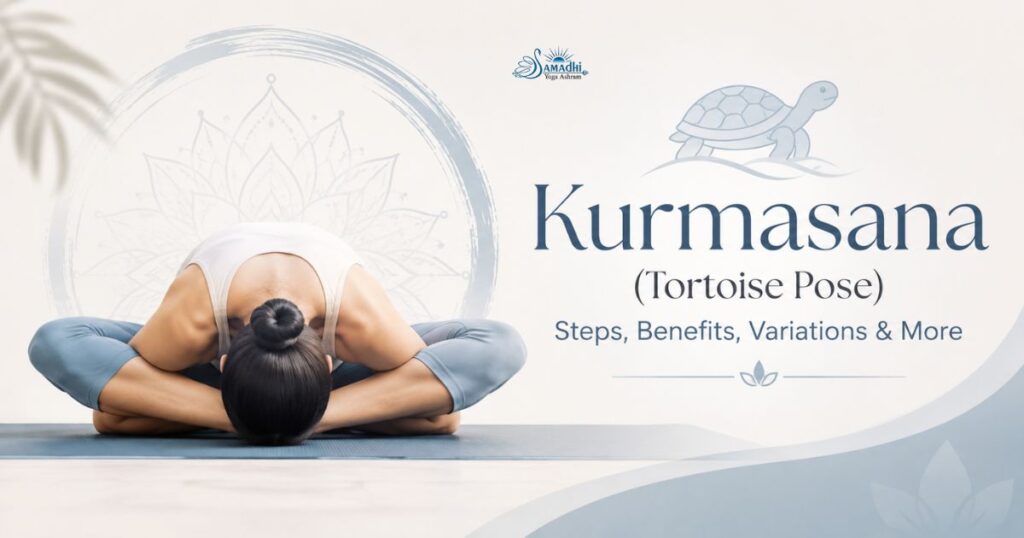
Table of Contents
- What Is Kurmasana? Why Is It Called the Tortoise Pose?
- What’s the Symbolism Behind Kurmasana and Pratyahara?
- 10 Benefits Of Kurmasana (Tortoise Pose): What Science & Tradition Prove
- How to Do Kurmasana: Step-by-Step Mastery
- Beginner to Advanced Variations of Kurmasana
- 1. Ardha Kurmasana: Half Tortoise Pose
- 2. Uttana Kurmasana: The Upturned Tortoise
- 3. Supta Kurmasana: The Sleeping Tortoise
- Physical Prerequisites & Contraindications For Kurmasana: Know If Your Body Is Ready Or Not
- Why Is Kurmasana Called a Pose for Deep Inner Focus?
- What Is The “Kurma Nadi”, and How Does It Relate To Kurmasana?
- Hidden Facts That Nobody Talks About Kurmasana (Tortoise Pose)
- Moving Forward
- Frequently Asked Questions
- What is Kurmasana?
- What is the difference between Supta Kurmasana and Kurmasana?
- For how long should you realistically hold Kurmasana?
- Who should avoid Kurmasana?
- Can beginners practise Kurmasana?
- Why is Supta Kurmasana considered one of the hardest poses in Ashtanga?
- Can you use props to achieve the full tortoise pose “shell”?
- What happens to your metabolism when you hold Kurmasana?
- What are the most common mistakes people make in Tortoise Pose?
‘Kurmasana’ is a combination of two Sanskrit words: ‘Kurma‘, which means ‘tortoise‘ or ‘turtle‘, and ‘Asana‘, which means ‘pose‘ or ‘posture‘. Together, they describe a seated forward fold in which the body looks like a tortoise.
Just as a tortoise pulls into its shell to feel safe and calm. Kurmasana works the same way. It helps you turn away from outside noise. You look inward, toward the Kurma Nadi, known as the “Tortoise Nerve“. Hold the pose quietly. This settles your body and mind. It brings a feeling of deep peace and focus.
What Is Kurmasana? Why Is It Called the Tortoise Pose?
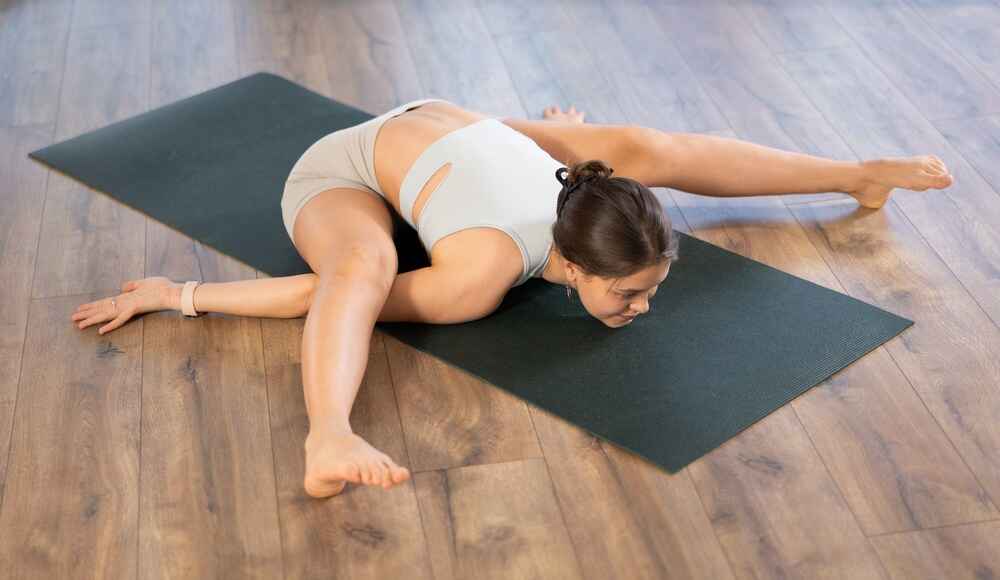
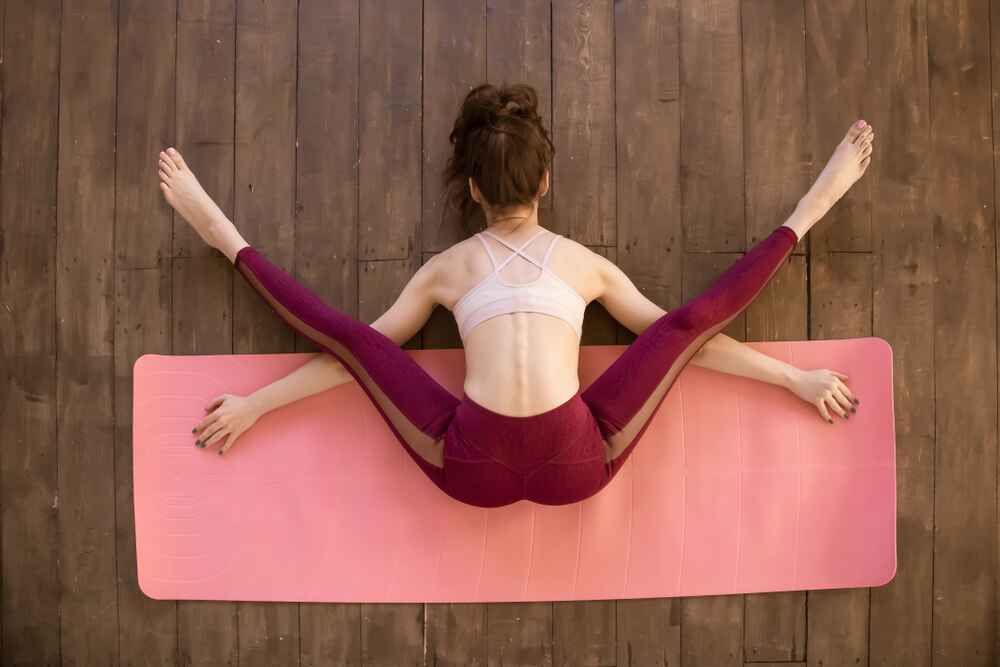
Kurmasana, or Tortoise Pose, is an advanced forward-bend yoga asana where the body gradually folds inward, creating a shape that looks like a tortoise, or turtle, withdrawing into its shell.
The way the back is curved and the limbs are stretched wide below the legs directly signifies the outer appearance of a tortoise. When you fold into Kurmasana, your eyes lower, your area of vision narrows, sounds around you become a little quieter, and your body focuses on breathing in the folded position. The external world does not disappear, but it stops mattering.
Just as a tortoise or a turtle can return into its shell, one can cut outer disturbance, noise, and transition into the inner self by practising Kurmasana.
The twentieth-century yoga master B.K.S. Iyengar brought Kurmasana into modern practice through his 1966 book Light on Yoga. He dedicated the Tortoise Pose to the second incarnation of Lord Vishnu, the Kurma Avatar.
Kurmasana tones the spine, activates abdominal organs, and keeps one energetic and healthy. It soothes the nerves of the brain so thoroughly that after completing it, one feels refreshed, as though woken up from undisturbed sleep.
– B.K.S. Iyengar (Light On Yoga)
| Sanskrit Name | Kūrmāsana (कूर्मासन) |
| Pronunciation | KOOR-mah-SAH-nah |
| Meaning | Kurma = Tortoise / Turtle; Asana = Pose |
| Level | Intermediate to Advanced |
| Pose Type | Seated Forward Fold / Hip Opener |
| Also Known As | Tortoise Pose, Turtle Pose |
| Spiritual Limb | Pratyahara (5th limb of Ashtanga Yoga) |
What’s the Symbolism Behind Kurmasana and Pratyahara?
To understand Kurmasana at any depth, you need to understand Pratyahara. Pratyahara is the fifth of the eight limbs in Patanjali’s Ashtanga Yoga sutras, compiled around the second century BCE. The word comes from the Sanskrit ‘prati‘ (against or away) and ‘ahara‘. (what is taken in).
Pratyahara is the withdrawal of the senses, a deliberate turning away from external stimuli so that attention can move inward.
It is not numbness or escapism. It is the trained ability to be in a world full of sensation and consciously choose not to be pulled by it. The tortoise represents not only how the pose looks but also signals a greater metaphor. In Hindu and yogic cosmology, the tortoise signifies endurance, groundedness, and the capacity to carry heaviness.
The Kurma avatar of Lord Vishnutook the form of a giant tortoise. He held Mount Mandara on his back during the mixing of the cosmic ocean (Samudra Manthan), an event that generated both poison and the nectar of immortality. The tortoise bore the weight so the universe could find balance.
For practitioners, the imagery offers a frame: Kurmasana asks you to hold the weight of your own restlessness, your wandering attention, and your desire to rush forward. The pose is a practice of stillness and stability under pressure.
10 Benefits Of Kurmasana (Tortoise Pose): What Science & Tradition Prove
Knowing how to do Kurmasana correctly can help you get the most from the pose. Here are some of the main Kurmasana benefits for the body:
- Kurmasana helps strengthen the spine and improve posture when involved in a daily yoga routine.
- To hold the shell shape, your core and front thigh muscles become active, much like in Chair Pose (Utkatasana), building lean muscles, flexibility, and functional tone in the body.
- It forces stubborn back thigh muscles and hips to open up much further than a standard forward fold does. The stretch involved in the pose relaxes the shoulders, strengthening the core and lower back muscles.
- Performing kurmasana provides a gentle massaging pressure on the abdominal organs. It directly increases blood flow inside the core, aiding in better performance and endurance.
- In Ayurveda, digestive stimulation is considered Kurmasana’s central therapeutic function. It stimulates agni (digestive fire) and encourages the natural movement of the small and large intestines.
- Kurmasana shifts all attention from external disturbances of the world to what is happening inside us. This increases focus and mental clarity, along with better balance and self-control.
- The lengthening of the back thigh muscles and a small muscle in the hip area during Kurmasana can reduce the compression that causes sciatic nerve pain in many practitioners.
- Chronic tightness in the hip flexors and the inner thigh area contributes to sustained back pain and poor posture. Kurmasana addresses both simultaneously.
- Slow and deep breathing during Kurmasana connects the body and the mind to a single state of being. It also helps reduce stress and anxiety.
- Kurmasana (Tortoise Pose) relaxes the nervous system and stimulates the vagus nerve. It is the primary nerve of the parasympathetic nervous system that stretches through the brainstem to the neck, chest, and abdomen. When activated, it triggers a “rest and digest” response. It is proven that this response causes a positive shift in mood, along with a lower heart rate and reduced cortisol and inflammation.
A 2018 review published in an international journal, Frontiers in Psychiatry, highlighted the vagal nerve’s role in reducing anxiety and tension and improving emotional regulation.
To fully realise the Kurmasanabenefits, one must move beyond physical shape into a place of deep, meditative focus. Written words only provide the blueprint. The actual living tradition of this pose is best mastered under professional guidance.
At Samadhi Yoga Ashram (SYA), Rishikesh, Kurmasana is taught within its full anatomical and philosophical context as part of our holistic Yoga Teacher Training in India Programmes. The Himalayan quietness and the presence of the Ganges create an ideal environment to withdraw from daily demands, allowing the inward journey of the Tortoise Pose to reflect truly.
How to Do Kurmasana: Step-by-Step Mastery
Before beginning, warm the body thoroughly. Tight back thigh muscles, tight hips, and unprepared shoulders are the fastest route to injury in this pose. Run through at least ten minutes of general movement.
The Full Sequence:
- Begin in Dandasana, seated with both legs extended straight in front of you, hands beside your hips, spine tall, and thighs pressed on the floor.
- Spread your legs wide apart. Aim for a distance considerably wider than your shoulders. The feet should be stretched, toes upwards.
- Bend your knees gently, bringing the feet a little closer to the hips. This is to create space under the knees for your arms.
- As you breathe out, slowly bend forward from your hips, not your waist. Keep your back straight as you move forward. This helps protect your lower back.
- Slide your right arm under the right knee, then your left arm under the left knee. Palms face downward, and arms extend out to the sides. The back part of each knee will rest on the upper part of the arm near the shoulders.
- Breathe continuously and keep bringing the upper body forward and down. Your chest should approach the floor.
- As your flexibility allows, begin to extend the legs, straightening the knees. This locks the arms under the thighs and deepens the compression. Do not force this step.
- Hold for five to ten slow breaths. Take a deep breath, relax your back with each inhale and soften your body further with each exhale.
- To exit: inhale, exhale, and bend the knees to release the arms; walk your hands back in and slowly lift the upper body. Shake out the legs gently and sit tall before moving on.
Most Common Mistake: Practitioners try to spread their legs as wide as possible before putting the arms under the legs, creating an angle that makes it physically harder to get the shoulders under. Instead, keep the knees slightly bent and the feet closer. Place your arms beneath your legs first, then slowly extend them.
Beginner to Advanced Variations of Kurmasana
Tortoise Pose, or Kurmasana, is one of a set of poses that exists within a family of similar poses. Each one helps your body level up for the next, making practice more productive and balanced.
Understanding how to perform these Kurmasana variation poses can make you more adaptable and develop flexibility over time. Here are three common variations of the Tortoise Pose, ranging from beginner to advanced:
1. Ardha Kurmasana: Half Tortoise Pose
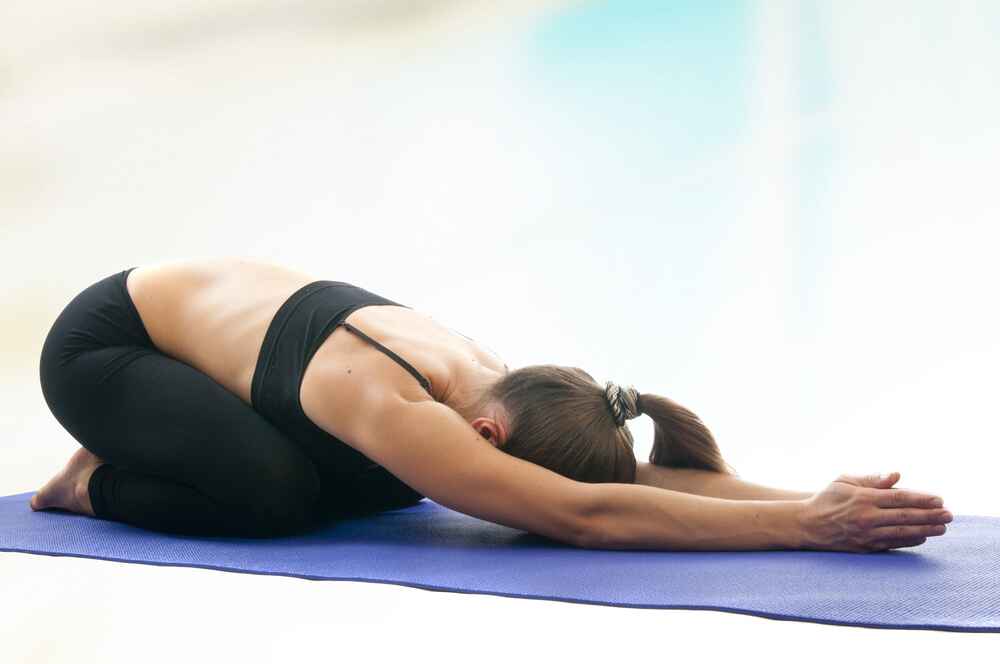
Ardha Kurmasana is a kneeling pose with a genuinely different shape from its full version. It is most famously practised as part of the Bikram Yoga sequence.
How to Do: It begins in Vajrasana (kneeling with hips on heels), with the arms stretched overhead and palms pressed together, biceps touching the ears. On an exhale, the upper body lowers forward until the fingertips and forehead rest on the floor, the arms fully extended, and the hips remain on the heels throughout.
It is a distinct posture with its own range of benefits. It provides a deep lengthening of the lumbar spine and a stretch through the large back muscles and is thought in yogic tradition to activate the Manipura (solar plexus) and Muladhara (root) chakras. More accessible than the full expression, it can be practised independently as a restorative posture after backbends.
2. Uttana Kurmasana: The Upturned Tortoise
Uttana Kurmasana is often confusing. Most websites make it worse by mixing up this name with Kurmasana or Supta Kurmasana. But these are three different poses. Uttana Kurmasana is mentioned in old yoga texts, including the Ahirbudhnya Samhita. In this pose, the body is turned upside down and folded in.
How to Do: Start in a squat and slowly roll onto your back. Bring your knees toward your face and wrap your arms around the outside of your lower legs. Its shape is more closely related to Garbhasana (Foetus Pose) than to the forward fold family.
This pose is rarely taught in contemporary yoga classes but appears in traditional Ashtanga sequences. If a teacher or text refers to Uttana Kurmasana, clarify which position they mean: the historical form or a regional variation of theflat-to-floor tortoise shape.
3. Supta Kurmasana: The Sleeping Tortoise
Supta Kurmasana is the advanced evolution of the base Kurmasana and one of the most demanding poses in the primary series of Ashtanga Vinyasa yoga.
How to Do: From the full Kurmasana position, the hands are held behind the back, then, for those with extraordinary hip flexibility, one foot is placed behind the neck, followed by the other, crossing at the ankles. The effect is an inverted cocoon-like shape that takes years of consistent preparation to access safely.
Do not attempt Supta Kurmasana without experienced guidance. The stress on the lower back and hip joints and the cervical spine in this position, if reached through force rather than genuine openness, carries real injury risk. Many Ashtanga students work towards it over months or years under a teacher’s direct supervision.
Below is a detailed comparison table that shows the key differences between the three variations of Kurmasana (Tortoise Pose):
| Feature | Ardha Kurmasana | Uttana Kurmasana | Supta Kurmasana |
| Sanskrit Meaning | Ardha: Half Kurma: Tortoise | Supta: Sleeping/Reclining Kurma: Tortoise | The spine is flat on the ground |
| Pose Type | Restorative / Forward Fold | Supine (on back) / Arm Hold | Deep Forward Fold / Arm Hold |
| Goal | Restorative relaxation opening | Intense abdominal toning | Deep hip/shoulder opening |
| Target | Spine & Shoulders | Hips & Abdominal Organs | Hips, Hamstrings & Shoulders |
| Starting Position | Seated in Vajrasana (Thunderbolt) | Seated with legs wide | Lying on the back (Supine) |
| Difficulty | Beginner to Intermediate | Advanced | Advanced |
| Series | Bikram / 26&2 Series | Ashtanga Primary Series | Ashtanga Primary Series |
| Upper Body Focus | Forehead touches the mat | Spine is flat on the ground | Chest/forehead flat on the floor |
| Who Should Avoid | Those with knee injuries or severe shoulder stiffness | Those with neck injuries, high blood pressure, or hernia | Uttana: Intense stretch/Upturned Kurma: Tortoise |
Physical Prerequisites & Contraindications For Kurmasana: Know If Your Body Is Ready Or Not
Kurmasana (Tortoise Pose) is categorised as an intermediate to advanced pose. The honest test is not whether you can touch your toes or stretch your knees. It is whether your body has developed the specific combination of openings that the pose requires simultaneously.
Here are the three physical prerequisites worth assessing before attempting Kurmasana (Tortoise Pose):
- Hip External Rotation: Your hips need to open wide enough to allow the legs to spread apart without the pelvis tilting backwards. If your lower back starts to curve as soon as you sit with your legs wide apart, your hips may not be ready for the pose yet.
- Hamstring Length: Your back thigh muscles need to be flexible enough to let you bend forward comfortably. If they are too tight, your lower back may curve too much and take extra pressure.
- Shoulder Mobility: As the arms extend beneath the knees and out to the sides, the shoulders need to externally rotate and flatten. Tight shoulders lift, compress, and restrict the final depth of the pose.
A Practical Readiness Check: Sit in a wide-legged position and see if you can bring your chest to the floor between your legs, keeping your back relatively flat.
Conditions that Require Caution or Modification for Kurmasana:
- Sciatica: This pose can put pressure on the nerve that runs down the leg, especially if it is already irritated. Do not stretch so far that you feel sharp, shooting, or electric pain down your leg. A gentle stretch is okay, but nerve pain is not.
- Lumbar Disc Problems: If your lower back is already under pressure, rounding it a lot can make things worse. If you have a disc problem, such as a slipped or herniated disc, practice this pose with a qualified teacher in person.
- Pregnancy: The pose places direct pressure on the abdominal region. Avoid it from the first trimester onwards.
- Recent Abdominal Surgery: The compressive nature of the fold makes this unsuitable during any recovery period that involves the core or abdominal wall.
- Shoulder Injuries: If rotation of the shoulder into an external position causes pain, the Tortoise Pose should be modified or skipped until the shoulder is fixed.
Why Is Kurmasana Called a Pose for Deep Inner Focus?
Not every forward fold earns the title of “pratyahara pose”. Kurmasana does so because of its design.
In a standard forward fold pose like Paschimottanasana, the back bends forward, the back of the thighs stretches, and the head approaches the knees. And yes, there is effort involved, but the body remains relatively open. The face tilts down, but side vision still works, and the chest is not enclosed either. You are folded, but your body is still open.
Kurmasana encloses you. The arms are pinned beneath the thighs. The chest presses toward the floor. And the head drops low. The body’s orientation shifts from facing the world to facing the earth. A position that, in itself, has a quieting effect on the nervous system. The proprioceptive information your brain receives changes. Instead of reading the landscape ahead, it reads the inner landscape of tension, breath, and stillness.
Also, when the limbs cannot move freely, your restless impulse has nowhere to go. You are held in place by the weight and structure of your own body. This is what teachers in Ashtanga and traditional Hatha yoga mean when they describe Kurmasana as the pose that teaches Pratyahara, i.e., withdrawal and submersion.
What Is The “Kurma Nadi”, and How Does It Relate To Kurmasana?
In classical yogic texts, the body is understood to have a carefully connected network ofnadis (energy channels) through which prana (life force) flows. The Kurma Nadi is one specific channel out of the thousands of nadis that Patanjali’s Yoga Sutras name directly. And it is very important to this pose.
The Kurma Nadi lies in the chest, near the breastbone and throat, and is associated with channelling prana in the upper chest. Patanjali writes, “Kurma nadyam sthairyam”, which translates to “by performing samyama (focused meditation) on the Kurma Nadi, the practitioner gains steadiness, or ‘sthairyam'”.
What does this Kurma Nadi have to do with Kurmasana?
The Tortoise Pose specifically compresses and focuses attention on this exact region. When the chest lowers toward the floor and the collarbones widen, there is an unusual sense of awareness in the breastbone and upper chest area. Traditional practitioners and teachers interpret this as an activation of the Kurma Nadi.
Kurmasana (Tortoise Pose) not only resembles a tortoise in shape, but it also stimulates the very energy channel named after it.
Many practitioners, regardless of their stance on energetic anatomy, report a distinct sense of mental stability during and after Kurmasana. That quality of steadiness, whether explained through nadi activation or through vagal stimulation, is one of the most consistently noted experiences of this pose and one of the key reasons it has remained central to traditional yoga practice for centuries.
Hidden Facts That Nobody Talks About Kurmasana (Tortoise Pose)
These are the observations that rarely make it into beginner-level yoga teachings. Here are some of the practical, honest, sometimes uncomfortable realities of working with this pose over time.
- Your Breath May Feel Restricted, and That Is Normal: When your chest moves closer to the floor and your thighs press against your upper body, breathing can feel different. This is normal in the pose. You are learning to breathe while your body is folded, which can help you breathe more efficiently over time.
- The Pose Feels Different Every Day: The flexibility of your back thigh muscles, hips and shoulders can change depending on your sleep, stress, water intake and time of day. It is not going backward; it is simply how the body works. Kurmasana is also a Pratyahara practice because it teaches you to accept your body as it is each day.
- Progress Can Stop for a While: If you have been practising Kurmasana regularly for several weeks and do not see much progress, there may be a specific physical limit. It is often related to hip movement or tight back thigh muscles, not a lack of effort. Find what is limiting you, work on it slowly, and the pose can improve.
- Feeling Uncomfortable Is Normal, and It Can Be Improved: Many people who are physically able to do Kurmasana may still want to come out of the pose early. The closed and folded position can feel uncomfortable or even make you feel trapped.
- Chin vs. Forehead? Whether your chin or forehead reaches the floor depends on the length and flexibility of your neck. Do not force your chin down if your neck is not ready, as this can put too much pressure on the neck. If your forehead reaches the floor first while your chin stays lifted, that is the right position for your body.
Moving Forward
Kurmasana is one of those yoga poses that teaches you something new every time you return to it. The external appearances of the pose may stay the same. What differs is the internal experience of holding it.
In a culture that rewards constant activity and visible achievements, a pose that asks you to go inward is quietly different. Perform the Tortoise Pose to discover what happens when you stop moving and start keeping yourself steady.
Frequently Asked Questions
What is Kurmasana?
Kurmasana, or Tortoise Pose, is a seated forward fold where the legs spread wide, the arms slide under the knees, and the upper body leans toward the floor. The shape mirrors a tortoise retreating into its shell.
What is the difference between Supta Kurmasana and Kurmasana?
In Kurmasana, the chest touches the floor with arms extended to the sides. Supta Kurmasana goes further, with hands held behind the back and the feet crossed behind the head. Same starting shape, very different level of demand.
For how long should you realistically hold Kurmasana?
Five to ten slow breaths is the right range for most practitioners. The quality of the stillness that you feel while in the pose matters more than clock time. Holding for longer becomes natural, slowly, as the body opens over weeks of consistent practice.
Who should avoid Kurmasana?
Anyone with a herniated disc, active sciatica, recent abdominal surgery, or knee arthritis should skip it or get live guidance first. Pregnant ladies should avoid it entirely. If you feel immense pain in your leg at any point, come out immediately.
Can beginners practise Kurmasana?
No, not the full version directly. It needs open hips, long hamstrings, and mobile shoulders all at once. Upavistha Konasana and Baddha Konasana serve beginners better until those areas open up. Ardha Kurmasana is a beneficial starting point.
Why is Supta Kurmasana considered one of the hardest poses in Ashtanga?
Because the pose requires a combination of extreme external rotation of the hips, deep back thigh muscle length, and a very flexible spine. Most find it difficult because you have to cross your feet behind your head while balancing on your sitting bones, which requires a level of flexibility developed through years of regular practice.
Can you use props to achieve the full tortoise pose “shell”?
Absolutely, and you probably should if your chest is far from the floor. Sliding a folded blanket under your heels can help if your back thigh muscles are tight, or placing blocks under your hands can give you the leverage needed to thread your arms through.
What happens to your metabolism when you hold Kurmasana?
The physical effort while performing and holding the pose triggers heat internally. This, combined with the way the pose massages your digestive organs, helps improve your metabolic rate and how efficiently your body processes nutrients.
What are the most common mistakes people make in Tortoise Pose?
The biggest mistake is rounding the back to get lower instead of bending from the hips. It puts dangerous pressure on the spinal discs. People also tend to let their knees collapse inward or hold their breath because the position is so intense. To do it right, you need to keep your feet flexed and your breath steady, even when the fold feels tight.
This article is for general information and is not medical advice. If you have a respiratory or heart condition, are pregnant, or are unsure whether these practices suit you, please speak to your doctor before beginning. Yoga poses and breathing exercises should be practiced with proper guidance from a qualified yoga teacher to help ensure safe and correct practice.