





The Philosophy of Yoga – Exploring the Eight Limbs of Yoga
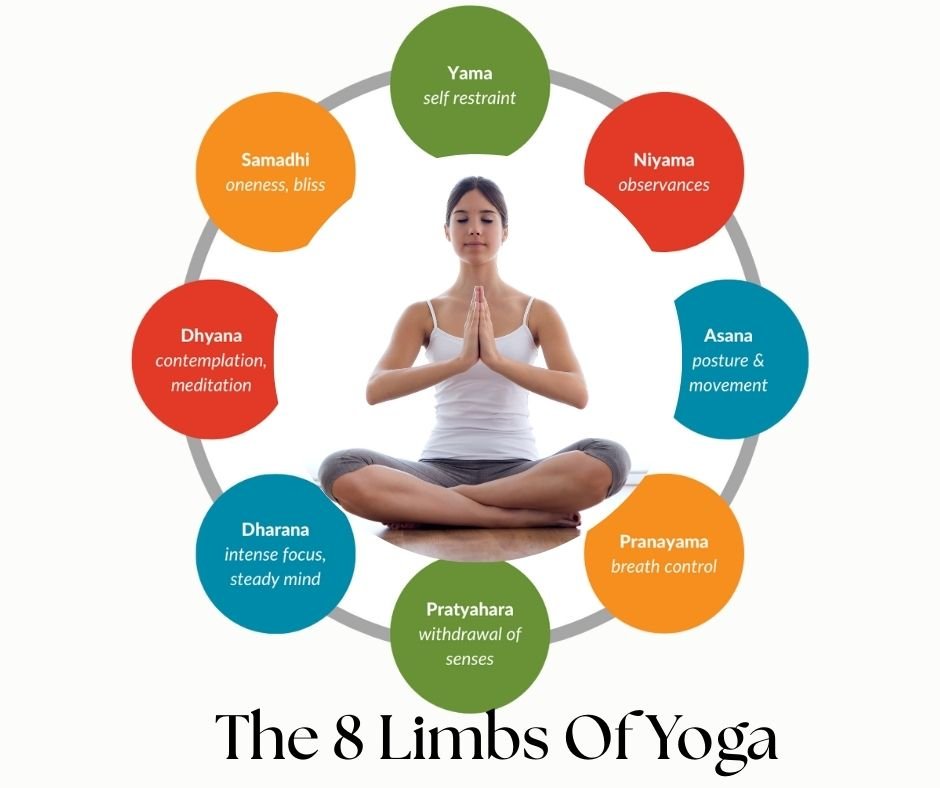
Table of Contents
Patanjali’s Yoga Sutras dictate the eightfold path called ‘Ashtanga’, which translates into eight limbs. When you are walking on the path of yoga, following these limbs can add different dimensions to your practice. Each of the limbs stated in the sutras delivers guidance in terms of physical, emotional, mental, and spiritual development and growth. The Eight Limbs of Yoga also bring about universal changes through the careful introduction of growth stages throughout the journey of a yogi.
If you want to imbibe the learnings in a simple manner, you must go through the philosophies listed below.
Exploring The Eight Limbs Of Yoga
1. Yama or Morals
When you start out to study the Eight Limbs of Yoga, this is the first lesson on the way. You require a lot of inner discipline to be able to traverse this path. The five principles, which you must follow, are ahimsa, satya, asteya, brahmacharya, and aparigraha. Ahimsa stands for non-violence, satya for truth, asteya for integrity, brahmacharya for control of sexual instincts, and aparigraha for simplicity.
2. Niyama or Self-Discipline
It revolves around self-discipline. Once you have crossed the Yamas, you can step into this principle. There are five principles that you need to follow under Niyamas. They revolve around cleanliness or saucha, contentment or santosh, persistence or tapas, self-study, and surrender. You need to imbibe these qualities to be able to soak in the yogic values necessary for your journey.
3. Asanas
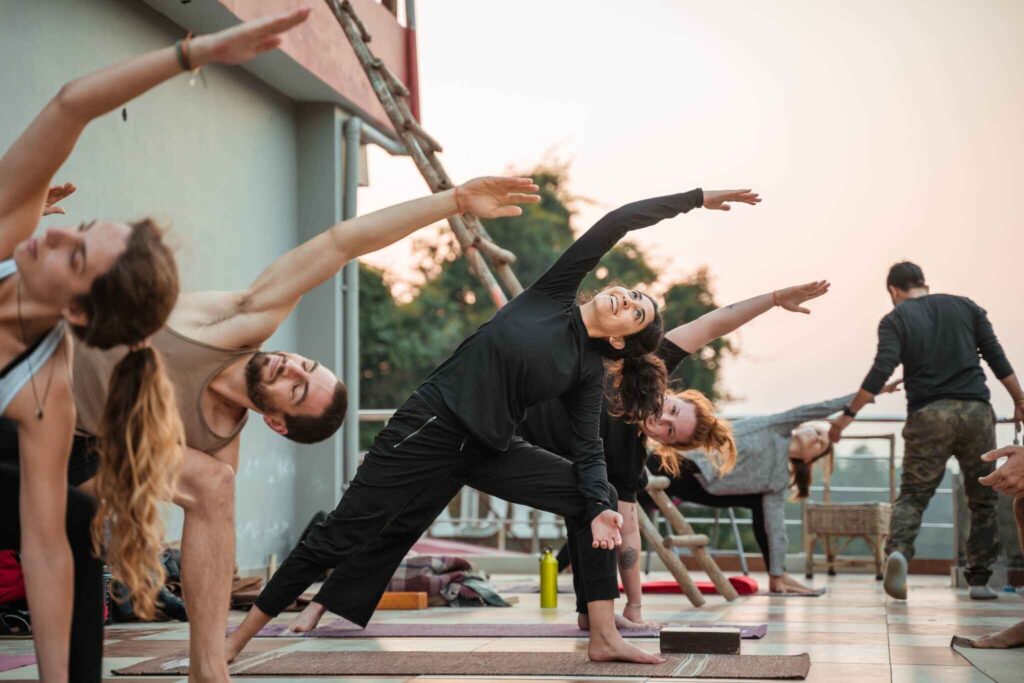
Most of you had thought until now that asanas are primary to yoga practice. However, in the scriptures laid down by Patanjali, it comes third. These are physical postures that you have been following in your yogic quest. These postures take you to a much deeper philosophical level. You also learn to meditate further, in poses like Padmasana. Today, you will find people giving a lot of importance to physical postures.
4. Pranayama
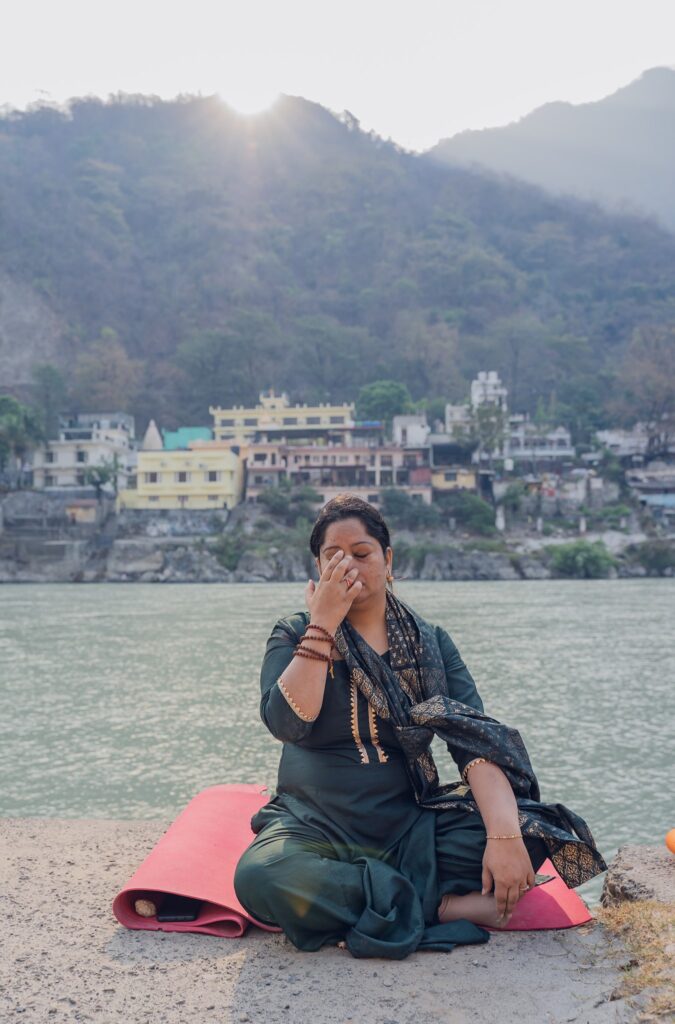
If you are a staunch follower of yoga, then this is not alien to you. And it comes fourth. It points towards breath control, which is central to the practice of yoga. If you are not engaging in any posture and breathing just right, it translates into yoga. Pranayama helps in the expansion of breath, which propels the energy of life through the ‘nadis’. Regularly practicing Pranayama also helps in curing respiratory illnesses. If you want to go deeper, read about the benefits of Pranayama and how it can transform your overall health.
5. Pratyahara
Withdrawal from good things in life. That is what ‘Pratyahara’ is for you. Its practice can change the state of your mind, while helping you to look for happiness within. External stimuli stop affecting you once you have mastered this stage.
6. Dharana
You must already be acquainted with this term. It means focus, concentration, and centering. You can enter this stage only when you stop being affected by external stimuli. You learn to maintain your concentration on a single object or point. Practices such as candle gazing can help in moving towards this stage.
7. Dhyana
This stage comes seventh in the Eight Limbs of Yoga. It is the stage of meditation. You must have read about it when studying yoga. It helps in release and instills quietness. It is one of the practices central to yoga. You must have seen yogis in a deep stance, sitting in secluded caves and deep inside the forests. However, you can reach this stage after you have got the earlier stages right. In this stance, breath work and focus matter the most. And, you can even abstain from food and water throughout.
8. Samadhi
This is the final stage of the eight limbs. And only a few get to this stage in one lifetime. And there are different reasons behind that as well. You may want to stay in society and serve the same, teach others about yoga. Samadhi may also lead to freedom from the cycle of rebirths. This is the ultimate stage of bliss, when everything else stops mattering. You can achieve this stage when you have unwavering focus, which is only concentrating on non-attachment from all things earthly.
So, what do you think is the purpose of the Eight Limbs of Yoga? Let us find out about that.
Purpose of The Eight Limbs Of Yoga
If you want to gain self-awareness, then you must walk on this path. Many times, we focus on external occurrences, which offer little value to our lives and existence. But the limbs of yoga can give you the direction that you need. It also gives you inner peace. Moreover, it also helps you to connect with the divine. If you are someone who is looking for liberation, then this is it.
Conclusion
The Eight Limbs of Yoga are not a destination — they are a way of living. Most of us are so caught up in the noise of daily life that we rarely stop to look within. These eight limbs quietly bring you back to yourself, one step at a time. You do not need to have everything figured out before you begin. A genuine desire to grow is more than enough to get started.
What makes this path worth walking is that it works on every level — how you carry your body, how you breathe, how you treat people, and how you feel when you are finally alone with your thoughts. Some stages will come naturally to you, others will take years. That is completely fine. Yoga was never meant to be rushed. The real shifts happen gradually, often without you even noticing, until one day you simply respond to life differently than you used to. To learn more about the 8 limbs of yoga and various yoga poses, you can join our Yoga Teacher Training in India or enroll in our 200 Hour Yoga Teacher Training inRishikeshcourse.