




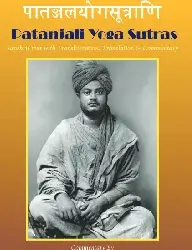
Swami Vivekananda's translation and commentary on the 196 sutras. The text that organises everything else in classical yoga: the eight limbs, the obstacles, the states of samadhi. Studied across our 200 and 300 hour YTTs.
About this library
The books our students read at the ashram
This page collects the classical yoga texts and study materials we share with every student who comes to Samadhi Yoga Ashram. Some are public-domain translations of texts thousands of years old: Patanjali's Yoga Sutras, Vivekananda's writings on meditation. Some are modern references our teachers point students to during anatomy and pranayama modules. A few are the ashram's own readings, compiled by Yogi Vishnu Panigrahi over years of teaching in the Himalayan tradition.
They are arranged below by topic. Click any book to read the introduction, see how it fits into our teacher trainings, and download the PDF. No email is required, the files open directly.
Start here
Four books worth reading first
If you only read four texts before joining a teacher training, read these. Each links to a short introduction page that explains the book, summarises the chapters, and shows where it fits in our curriculum.
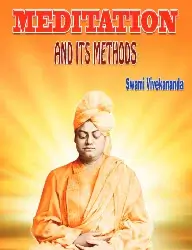
A short, plain-English introduction to meditation by Swami Vivekananda, the right place to start if you have never sat formally. Used in our meditation modules and yoga retreats in Rishikesh.
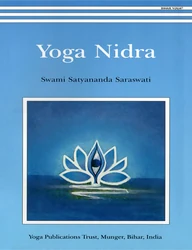
Swami Satyananda Saraswati's reference on psychic sleep: the tantric origin of the practice, the four states of consciousness, and complete word-for-word scripts. Taught as a full module in our 200 Hour Yoga Teacher Training.
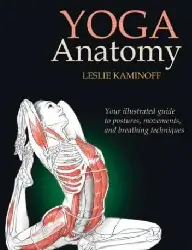
A working anatomy reference for yoga teachers and students: breath, spine, joints, the mechanics of asana. We use it through the alignment and anatomy weeks of every Yoga Alliance accredited training.
Browse the library
Everything in the library, organised by topic
The four featured books above are the starting points. Below are the rest: lineage readings, ashram daily-life notes, and the mantra book compiled by Yogi Vishnu.
Yoga Philosophy
The classical framework that every authentic yoga school traces back to. We treat philosophy not as theory to memorise, but as the map that explains why we breathe, sit and move the way we do.
- Patanjali Yoga Sutras (Vivekananda translation), 196 sutras across four chapters, foundation text of classical yoga.
- Meditation and Its Methods (Vivekananda), a short primer on raja yoga meditation; useful before any deeper philosophy study.
Studied in our 200 Hour Yoga Teacher Training in Rishikesh and the 300 Hour Yoga Teacher Training in Rishikesh.
Yoga Anatomy & Alignment
Anatomy is what keeps a 25-day training safe. We pair Western anatomy with the classical yogic body (nadis, chakras, koshas) so that students leave able to teach without hurting anyone.
- Yoga Anatomy reference: breath mechanics, spine, joints, asana mechanics.
Studied in the alignment weeks of the 200 Hour YTT and in depth in our Yin Yoga Teacher Training, where connective tissue and fascia are the focus.
Meditation & Pranayama
Two practices that, together, do most of the inner work of yoga. The texts below are the references we return to when teaching breath regulation, dhyana and the supporting practice of yoga nidra.
- Meditation and Its Methods (Vivekananda), entry-level meditation primer.
- Yoga Nidra (Satyananda), the reference text on psychic sleep, with complete practice scripts.
Studied in our Yoga and Meditation Retreat in Rishikesh and across every Yoga Teacher Training pranayama module.
Kundalini & Tantra
The energetic and contemplative core of the tradition we teach. Kundalini is not a separate yoga. It is the inner current the rest of the practice is preparing the body and mind for.
- Yoga Nidra (Satyananda), the subtle-body forms of the practice, drawn from the tantric technique of nyasa.
- Mantra Book (compiled by Yogi Vishnu Panigrahi), daily mantras with transliteration, translation and pronunciation notes.
Central to our Kundalini Yoga Teacher Training.
Ashram Life & Lineage
Two short readings that explain the tradition we belong to and what daily life inside the ashram actually looks like: the rhythm of practice, food, sleep and seva that holds the rest of the work together.
- The Himalayan Yoga Tradition, lineage overview, written for students new to the tradition.
- Daily Life of a Yogi. Practical guide to sadhana, food, sleep, seva and the rhythm of ashram living.
Useful background for anyone considering a stay at our ashram in Rishikesh or a longer residential course.
In our courses
How these books are used in our teacher trainings
Reading on your own is real practice, but the texts open differently when a teacher is sitting in front of you, answering the questions you didn't know you had. Here is where each book lives in our curriculum.
200 Hour Yoga Teacher Training
We read the first chapter of Patanjali's Yoga Sutras (samadhi pada) across the philosophy module, paired with Vivekananda's commentary. Yoga Anatomy is referenced through the alignment week. Meditation and Its Methods is the take-home reading after the first meditation seminar.
300 Hour Yoga Teacher Training
All four chapters of the Yoga Sutras are studied in full, with daily verse-by-verse commentary. Yoga Anatomy moves from reference into clinical application: anatomy of injury, anatomy of advanced asana, anatomy of yoga therapy.
Kundalini Yoga Teacher Trainings
Yoga Nidra is read alongside the subtle-body practices of our kundalini yoga teacher training, where subtle body awakening yoga nidra and the 31 point blue star return the practice to its tantric roots.
Retreats
Meditation and Its Methods is the recommended pre-reading for our Yoga and Meditation Retreat in Rishikesh and the Kundalini Yoga Retreat. The Mantra Book sits open on every kirtan evening.

Study with a teacher
Read the books. Then come practise them.
Reading the Yoga Sutras alone is real practice. Reading them inside a residential training, with a teacher unpacking each verse over chai, is a different kind of practice. Our 200 Hour Yoga Teacher Training in Rishikesh is the most common starting point.
Frequently asked
Questions about the library
Yes. Every book in our library is free to download with no email required. We share these texts because they are the same study materials our students read during their teacher trainings at the ashram. If you would like the books mailed as a single bundle, write to our team and we will arrange it.
Begin with Meditation and Its Methods by Swami Vivekananda: short, clear, written for someone with no prior background. Once that feels settled, move to the first chapter of Patanjali Yoga Sutras (samadhi pada). Yoga Anatomy and Yoga Nidra are more useful once you are practising daily.
Yes. The Yoga Sutras and Meditation and Its Methods are read across our 200, 300 and 500 hour Yoga Teacher Trainings in Rishikesh. Yoga Nidra is a full module in our 200 Hour YTT and is used in our Kundalini Yoga Teacher Trainings. Yoga Anatomy supports the alignment and anatomy modules of every RYS course.
No reading is required to enrol. Beginners are welcome. But reading even the first chapter of one of these texts before you arrive will help the philosophy and meditation sessions land more deeply. A page a day for a month is enough.
Yes. Print, annotate and study freely for personal practice. We only ask that the files not be re-hosted or sold elsewhere. Share the library link instead, so others can return to the source.
Inside any of our residential Yoga Teacher Trainings at the ashram in Laxman Jhula, Rishikesh, or at our Bali campus in Ubud. The 200 hour YTT is the most common starting point. Online courses cover the same texts over Zoom for those who cannot travel.
Feel Free To Contact Us
If you have any queries about courses at Samadhi Yoga Ashram, please reach out. Our team usually replies within 24 hours and can help with course details, schedules, accommodation, payment options and travel logistics.
Other Courses You May Want
Explore More Programs at Samadhi Yoga Ashram
Also Available In Bali
Learn From Home - Online Courses
Short Retreats In Rishikesh